A 16th-century Benedictine convent on a Tuscan hilltop, La Monastica emerged from years of restoration with its frescoes and stained glass intact. The nineteen rooms occupy former nuns' quarters—wood-beamed ceilings, exposed stone, valley panoramas—while the original chapel now serves as an atmospheric restaurant. Below, a spa pool carved into natural rock and tiered gardens lined with lemon trees reward those seeking contemplative luxury.
Where to Stay
Lucca's first design hotel occupies a historic palazzo where antique timbered ceilings meet understated contemporary Italian furnishings. The intimate nineteen-room property draws couples seeking Renaissance charm without sacrificing modern comforts—rain showers, curated bath products, attentive multilingual staff ready with restaurant reservations. A winter garden and welcoming lobby provide stylish respite, while complimentary bicycles invite exploration of the walled city's cobbled streets.
John Ruskin once stayed here; so did Puccini and Chet Baker. Now part of Marriott's Autograph Collection, this four-star boutique property on Piazza del Giglio preserves its literary and musical heritage within thoughtfully renovated interiors. The atmosphere skews sedate and sophisticated, better suited to adults than families, though apartment-sized suites can accommodate both. A cultured base for exploring Lucca's walled centro storico.
Terraced gardens cascade down a quiet Tuscan hillside at this intimate retreat, where a shaded pool offers respite before short drives to sandy beaches. The kitchen delivers accomplished regional cooking, while bedrooms balance rustic charm with refined comfort. Loyal guests return season after season for the genuinely personal attention—staff remember names, preferences, and the small details that larger properties overlook. Select rooms accommodate families with additional beds.
Beneath this 150-year-old Tuscan villa lies an extraordinary natural asset: a cavernous underground grotto where thermal waters have drawn wellness seekers for generations. Above ground, the 64-room retreat maintains its old-fashioned elegance with pastel-toned interiors and manicured gardens, while a 750-square-meter outdoor thermal pool with waterfall and hydromassage jets offers a more contemporary indulgence. Pet-friendly, with golf nearby.
An 18th-century Tuscan farmhouse commanding 360 acres of woodland, Villa Casanova keeps just fourteen suites—each a corner room exceeding 590 square feet, flooded with light and furnished with hand-carved four-posters or baroque gilded beds. From the hilltop, views sweep across the Lucca Valley to the Tyrrhenian Sea. The kitchen works with estate-grown produce, home-pressed olive oil, and seasonal truffles.
Where to Eat
Father and son Fabrizio and Andrea Girasoli work in quiet synchrony inside a nineteenth-century farmhouse near Lucca, earning one Michelin star for their confident balance of Tuscan meat and seafood. Tyrrhenian scampi, seared on lava stone with liquid Catalana sauce, anchors the menu alongside a playful cocoa cigar filled with foie gras and apple—a nod to Puccini. A glass veranda opens onto gardens that shift beautifully through the seasons.
Chef Cristiano Tomei's hillside farmhouse outside Lucca operates on trust: diners select only the number of courses, surrendering to a blind tasting format where the kitchen's generosity routinely exceeds the count. His modern cuisine leans into unexpected bitter notes balanced with Parmigiano Reggiano, culminating in the Bistecca Primitiva that has become his calling card. Summer evenings unfold on expansive outdoor terraces.
A century-old address in the Lucca hills, Antico Ristorante Forassiepi has thrived under its current stewardship since 2004, earning regional renown for Tuscan cooking given contemporary polish. The kitchen handles both land and sea with equal conviction—local meats and fresh fish prepared through a lens of modern technique. Summer service moves outdoors, where sweeping views across terraced valleys reward lingering meals.
An 18th-century palazzo on Piazza del Giglio provides the handsome setting for this Tuscan table, where traditional Italian recipes receive thoughtful contemporary inflections. The kitchen demonstrates its philosophy through dishes like siphoned potato crowned with bottarga, squid sauce, and chanterelle mushrooms. Summer diners claim the terrace overlooking the square; year-round, the house bread alone justifies a visit.
A Bib Gourmand address with roots reaching back to the fourteenth century, Antica Locanda di Sesto holds a place among Italy's official Historic Restaurants. The kitchen channels Tuscan peasant cooking through slow-braised peposo with cannellini beans and impeccably charred grilled meats, sourced alongside wine, olive oil, and vinegar from the owners' organic farm. The handful of outdoor tables, overlooking a tranquil village lane, require advance booking.
A short walk from Lucca's ancient walls, this Bib Gourmand restaurant channels Japanese tradition through the lens of the chef's personal history. Counter seating offers front-row views of sashimi preparation and nigiri crafted with precision, while the famous gyoza and Southern Japan-style ramen—its broth deep and restorative—anchor the menu. Lunchtime teishoku brings a curated selection of appetisers chosen by the kitchen.
A century of Tuscan tradition continues at this Bib Gourmand trattoria near Lucca, where ribollita stew and slow-braised rabbit remain the draw. Owner Edoardo Innocenti works the single informal dining room with practiced ease, steering guests toward regional specialties with genuine enthusiasm. The tasting menu offers the clearest path through the kitchen's repertoire—rustic, satisfying, and priced for return visits.
Winding mountain roads through Piedmontese forests lead to this Bib Gourmand table, where the journey becomes part of the ritual. The kitchen anchors its tasting menus—adjustable in length—around a legendary fritto misto alla piemontese, the region's definitive mixed fry. Appetizers arrive in generous waves of small tastings, rewarding those who make the climb to this remote address.
Four intimate dining rooms occupy this address on one of Lucca's characteristic squares, the central space lined floor to ceiling with wine bottles. Walls throughout display original artwork from contributors to the legendary Lucca Comics festival, lending an unexpected cultural dimension. The kitchen focuses on Tuscan tradition—regional meat and fish preparations, with the classic Lucca tortelli in meat sauce a particular draw. Summer brings tables outdoors.
Copper pots and pans hang from the ceiling of this two-century-old institution steps from Piazza San Michele, setting a warm, decidedly romantic tone for evenings devoted to Tuscan tradition. The kitchen keeps to its roots with home-made pasta and robust meat dishes that have earned Michelin Plate recognition—straightforward cooking executed with the confidence of a restaurant that has outlasted empires.
Frequently Asked Questions
Which neighborhoods in Lucca offer the best hotel locations?
+
Properties within the walls place you steps from the Duomo and Via Fillungo's shops, while estates outside the ramparts — particularly toward the hills of Montecarlo and Sant'Andrea di Compito — offer countryside quiet with vineyard or olive grove settings.
What local dishes should visitors try in Lucca?
+
Tordelli lucchesi, meat-filled pasta in ragù, defines the local table. Zuppa di farro uses the ancient grain from the Garfagnana valley. For dessert, buccellato — an anise-scented ring cake with raisins — has been a Lucchese specialty since the Renaissance.
How does Lucca differ from other Tuscan destinations?
+
The intact Renaissance walls set Lucca apart physically — no other Tuscan city retained its complete fortifications. The town maintains a residential character without the tourist density of Florence or Siena, with locals still shopping on Via Fillungo and cycling the rampart loop daily.
Nearby Destinations
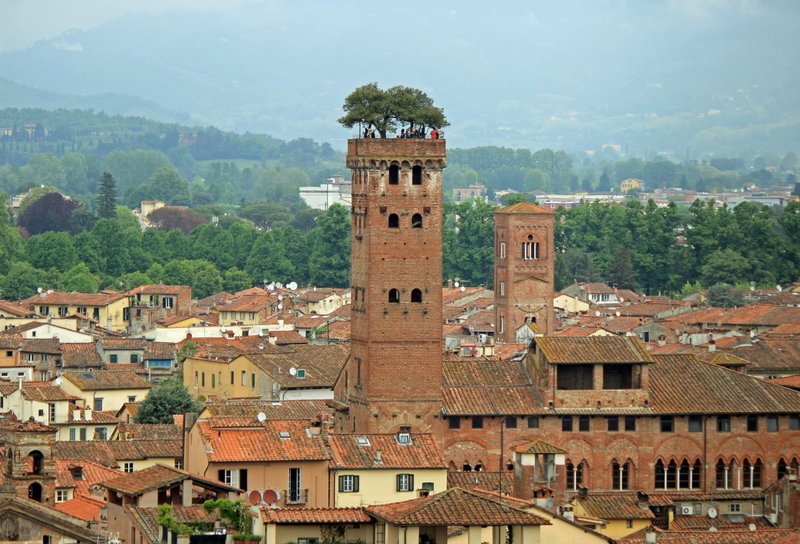
Explore ItalyLucca's Renaissance walls form a tree-lined promenade that circles the old town, a four-kilometer loop where locals cycle past bastions and gates. Within these ramparts, the street grid follows Roman foundations — Via Fillungo cuts through the centro storico as the main shopping artery, while Piazza dell'Anfiteatro occupies the oval footprint of an ancient amphitheater, its ochre facades rising where spectator stands once sat.
The hotel scene divides between converted palazzi within the walls and countryside estates in the surrounding hills toward the Garfagnana. Many properties occupy buildings with frescoed ceilings and original terracotta floors, while others spread across working wine estates with views to the Apuan Alps. The restaurant quarter clusters around Via Fillungo and the quieter streets near San Michele in Foro, where trattorias serve tordelli lucchesi and buccellato appears in bakery windows. Evening drinks gravitate toward Piazza Napoleone and the cafés spilling onto Piazza San Michele.