A converted winery with just six suites, Vivere trades lakeside grandeur for vineyard serenity beneath the Alps. The minimalist rooms—four with kitchens—feature clean lines and neutral palettes, while the partially salted swimming pool anchors the self-sustainable estate. Wine from the property's own grapes accompanies evenings on the terrace. Families find thoughtful touches: cots, child bike seats, and space to spread out.
Where to Stay
Where to Eat
Less than a kilometer from Lake Garda's northern shore, chef Peter Brunel holds a Michelin star for seafood preparations that channel Trentino through both nikkei inflections and Mediterranean imagination—some dishes even nod to the poetry of Gabriele D'Annunzio. The dining room bears his artistic hand in every decorative detail, while sommelier Christian Rainer's wine guidance has earned a reputation for exceptional professionalism.
Lake Garda's northern shore finds elegant expression at Aqua, where a contemporary veranda frames views of sailboats catching the legendary Ora wind against Trentino's distant peaks. The kitchen honors local tradition through simply prepared Italian dishes, with lake fish taking center stage alongside select saltwater options. A thoughtful wine list complements the Michelin Plate-recognized cooking, making this an essential address for seafood-focused dining.
Three tables on the second floor of a historic Arco building: Locanda 53 operates as an intimate supper club where well-traveled hosts Evelyn and Carl present two tasting menus—one meat-focused, one centered on fish. Their modern cuisine draws from Trentino traditions while incorporating global influences, exemplified by the playful 'Nigiri in crisi di identità,' a deconstructed riff on the Japanese classic.
The open grill commands attention from the threshold at this intimate annexe to Villa Miravalle, where flames and sizzling meat set the tone for an evening of robust Italian cooking. A blackboard menu circulates tableside, listing regional dishes that shift with the seasons. Summer diners claim the terrace; year-round, the warm dining room rewards those seeking honest, fire-kissed flavors on Lake Garda's northern shore.
Behind the Renaissance façade of Palazzo de Probizer, this Bib Gourmand address channels Trentino's culinary identity through a daily-changing set menu built on regional recipes. The kitchen's confidence shows in its restraint—a focused selection followed by an expansive dessert offering. Every bottle on the local-only wine list pours by the glass, while a courtyard terrace opens when weather permits.
On the winding road up to Monte Baldo, this family-run trattoria draws from its own organic apple orchards to craft dishes steeped in Trentino tradition. The kitchen earns a Bib Gourmand for regional cooking that balances rustic authenticity with subtle contemporary touches—think polenta and carne salada reimagined with finesse. A rewarding detour for travelers exploring Lake Garda's mountainous northern reaches.
Through the labyrinthine lanes connecting Riva del Garda's commercial port to the old centre, Al Volt occupies a sequence of intimate rooms where low ceilings and antique furnishings create an atmosphere of quiet antiquity. The kitchen delivers regional Italian cooking sharpened with contemporary touches, earning Michelin recognition. A refined choice for travellers seeking local tradition interpreted with subtle creativity.
A medieval castle extends into Lake Toblino, its stone walls now housing a restaurant where generous meat and fish dishes arrive via tasting menus or an extensive à la carte. The kitchen takes a modern approach to country cooking, best enjoyed on the summer terrace with water views on three sides. Conclude with local Vino Santo or grappa from this renowned Trentino production zone, then arrange a castle tour.
Within the sprawling Cantina Toblino winery complex, a young chef commands this contemporary dining room with confident restraint. The kitchen champions zero-mile sourcing, transforming Trentino ingredients into modern reinterpretations of regional classics, occasionally punctuated by well-chosen elements from beyond the valley. Minimalist interiors let the cooking speak; a Michelin Plate confirms the execution. Ideal for wine-country lunches with substance.
Frequently Asked Questions
What makes the northern lake different from the southern shore?
+
The north feels distinctly Alpine rather than Mediterranean. Steep cliffs replace gentle hills, the Habsburg architectural influence is visible in Riva's waterfront buildings, and the microclimate supports different agriculture — olives give way to apple orchards as you move inland toward Trentino. The lake itself is deeper and cooler here, with reliable winds that attract sailors and windsurfers rather than the beach-focused tourism of Sirmione or Desenzano.
Which towns should visitors prioritize in northern Lake Garda?
+
Riva del Garda offers the most complete experience: a historic center, good restaurant scene, and access to both water sports and mountain trails. Malcesine rewards visitors with its castle and cable car to Monte Baldo. Torbole is smaller and quieter, favored by windsurfers. Arco, slightly inland, is the rock climbing capital of Europe and has an appealing town center beneath its ruined fortress.
What local dishes define the northern Lake Garda table?
+
Carne salada — beef cured with salt, garlic, and juniper — appears on nearly every menu, often served raw like carpaccio or grilled as carne salada alla piastra. Lake fish remain central: missoltini (dried shad) and lavarello (whitefish) prepared simply. The olive oil from the western slopes around Arco has DOP status and a notably delicate, grassy flavor distinct from Tuscan oils.
Nearby Destinations
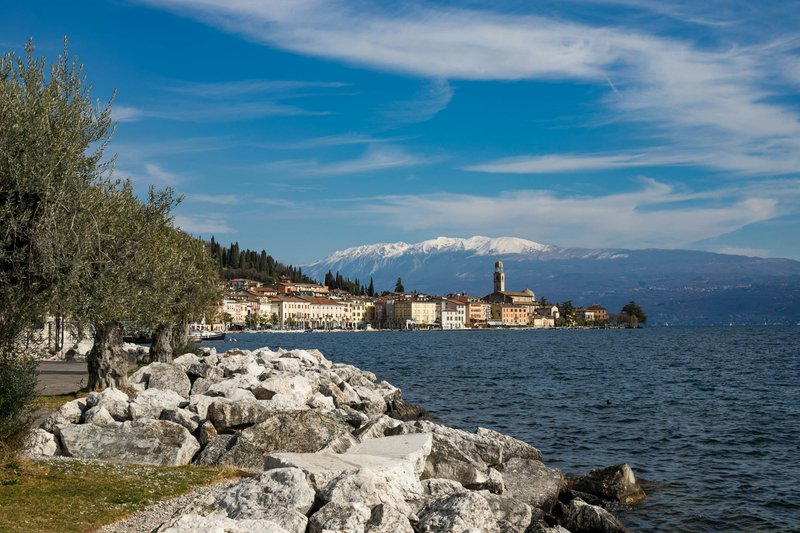
Explore ItalyThe northern reaches of Lake Garda press against the Dolomite foothills, where the lake narrows into a fjord-like channel between limestone cliffs. Riva del Garda and Torbole sit at the head of this dramatic geography, their harbors filled with sailing boats that take advantage of the Ora and Pelér winds — the reliable afternoon and morning breezes that have made this corner of the lake a windsurfing capital since the 1980s. The architecture shifts here from the pastel Venetian style of the southern shores to something more Alpine: stone facades, wooden balconies, and Austrian-era fortifications that recall the region's history as part of the Habsburg Empire until 1918.
Dining follows the terrain. Restaurants in Riva serve lake fish — carpione and lavarello — alongside polenta and carne salada, the local air-dried beef that predates bresaola. The slopes above Arco and Tenno produce exceptional olive oil from the Casaliva variety, pressed at cooperatives that have operated for generations. Malcesine, accessible by ferry or the vertiginous lakeside road, clusters beneath its Scaliger castle, its trattorias and wine bars tucked into medieval alleyways. The Funivia Malcesine carries visitors to Monte Baldo's ridge, where endemic wildflowers bloom in meadows that botanists have studied since the Renaissance.