


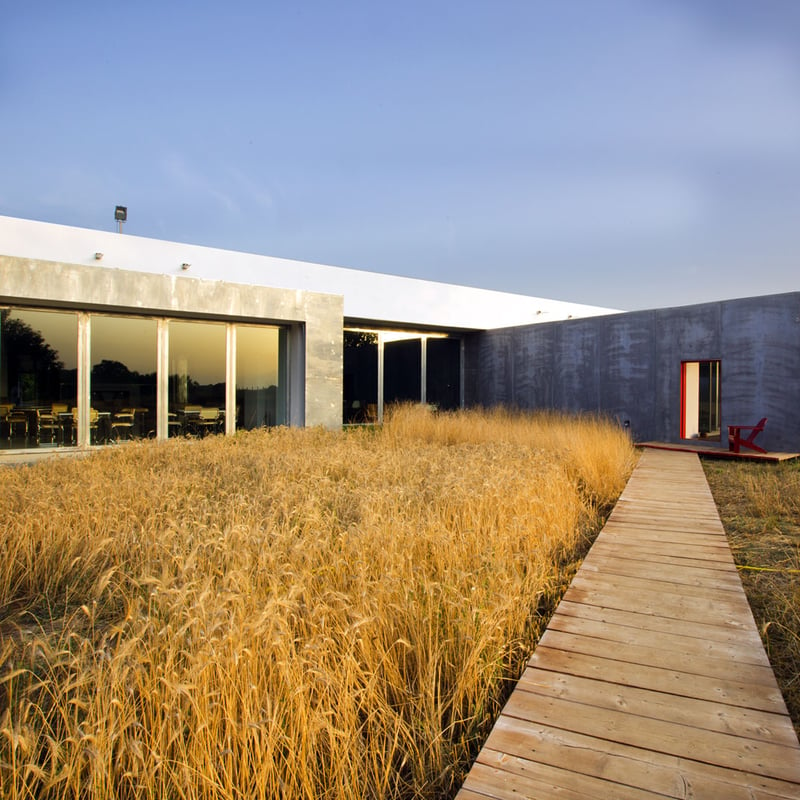
Chef Antonello Colonna—once dubbed an 'anarchist in the kitchen'—designed this adults-only retreat in sleek concrete and glass, low-slung amid the fields outside Rome. Twelve rooms with floor-to-ceiling windows open directly onto parkland; top-tier suites feature Eames chairs. Days drift between the Turkish bath, indoor thermal pool, and rooftop terrace bar before culminating at Colonna's legendary table next door.
Castelli Romani Travel Guide: Best Hotels, Restaurants & Experiences 
Explore Castelli Romani
Hotels (1)
Restaurants (7)
Where to Stay
Where to Eat

★ Michelin
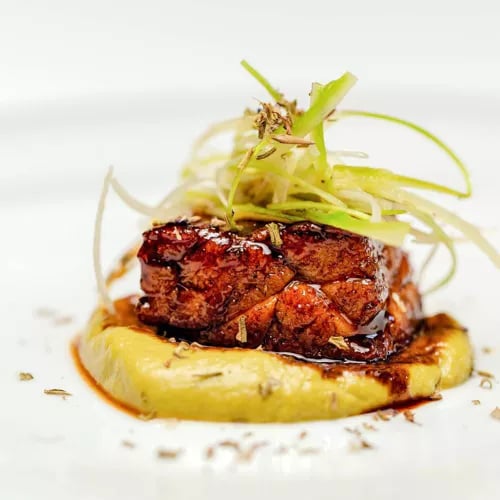
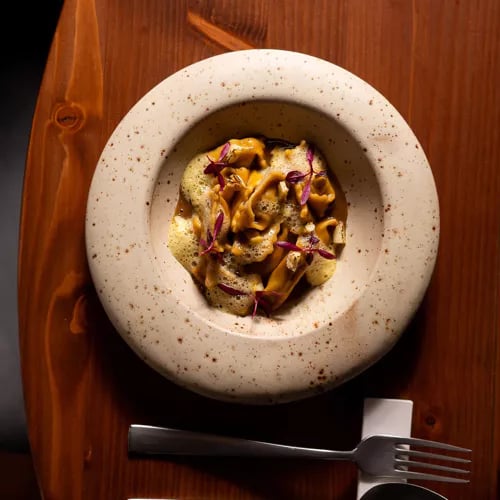
Antonello Colonna's one-starred table in Labico occupies an avant-garde glass-and-steel structure surrounded by parkland, its museum-scale interiors hung with contemporary art. The cooking takes the opposite tack: rooted, classical, drawing on Rome's larder and Lazio's rural repertoire. Summer service moves outdoors beneath aged chestnut trees—a setting that suits long, unhurried meals away from the capital's intensity.

★ Michelin
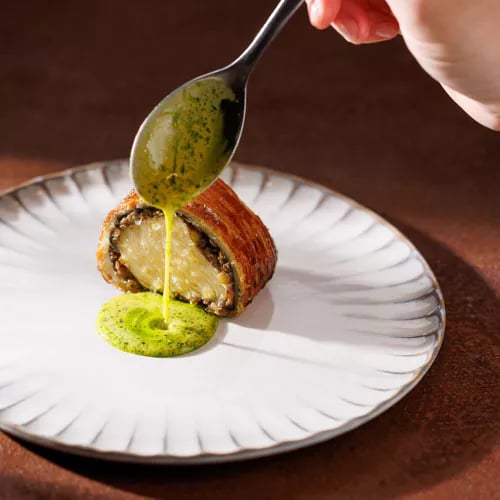
Sixty kilometers from Rome, along winding mountain roads, chef Salvatore Tassa earns his Michelin star through poetic, unclassifiable cooking. His five or seven-course tasting menus pivot between Lazio tradition and bold experimentation, favoring vegetables transformed through cold extraction techniques—celeriac reduced to its essence. The same address houses NU' Trattoria Italiana, where the chef's historic recipes find their traditional counterpoint.

★ Michelin· Green Star ●
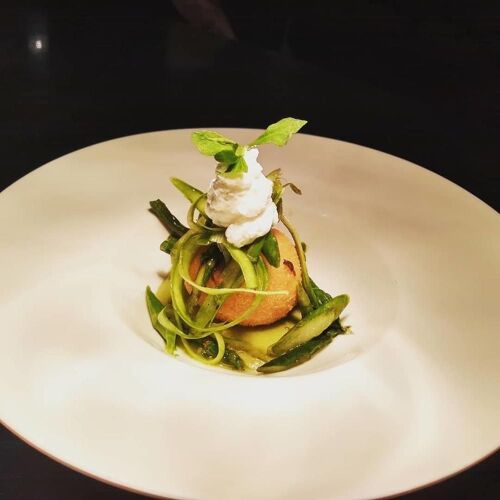
A 19th-century farmhouse amid olive groves on the road to the Arcinazzo plateau provides the stage for Marco Bottega's farm-to-fork cooking. The young chef draws from fifty hectares of pesticide-free land—vegetables, fruit, livestock—to craft dishes anchored in Lazio tradition yet personally inflected. A Michelin star and Green Star recognize both craft and commitment to sustainability. The separate champagne room invites lingering aperitifs.

★ Michelin
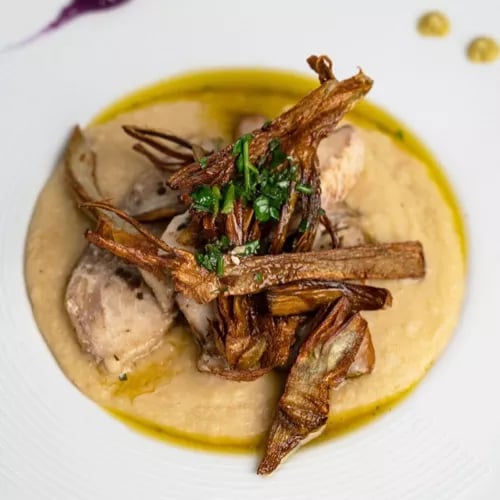
Chefs Matteo Compagnucci and Sara Scarsella helm this one-star table in Ariccia, where their dual philosophy of tradition and innovation yields dishes like risotto with peas, lemon, and raw langoustines alongside grilled veal sweetbreads paired with wild strawberries from nearby Nemi. Eastern techniques and Northern European preservation methods—fermentations, marinades, fish aging—inform a menu matched by house-made kombucha and seasonal wines.

Michelin Selected
Perched above Lake Albano with commanding views across the volcanic crater, this Castel Gandolfo institution has served guests since 1882 while continually refreshing its contemporary approach. Wild herbs foraged from surrounding hillsides accent both meat and fish preparations. Below the dining room, wine cellars carved into the rock house an impressive collection, complemented by a small museum charting the region's viticultural heritage.

Michelin Selected
Four generations of the Cacciani family have upheld this Castelli Romani institution, where devotion to Lazio's culinary heritage remains unwavering. The kitchen delivers honest regional cooking—Roman classics alongside select seafood preparations—while house-baked focaccia arrives warm with the bread service. Guests choose between a dining room steeped in century-old atmosphere or the celebrated panoramic terrace overlooking the surrounding hills.

Michelin Selected
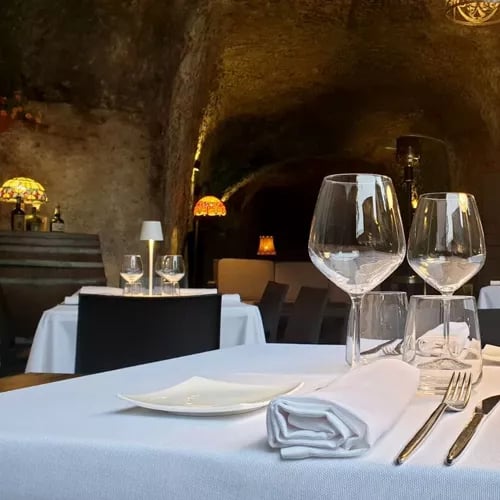
Two young food enthusiasts helm this Frascati address, where regional Lazio cooking receives a contemporary lens—cuttlefish paired with asparagus and Bernese sauce exemplifies the approach. Below the dining room, a tufa-rock cellar doubles as laboratory and gallery: the chef revives ancestral preserving methods while rotating art exhibitions animate the stone walls each season. An address for curious palates drawn to tradition reimagined.

Michelin Selected
Oysters and caviar anchor the menu at Locanda Marchesani, where classic Italian cooking receives a polished contemporary treatment. The kitchen sources refined ingredients for both à la carte dishes and tasting menus, delivering sophisticated plates that balance tradition with modern sensibility. A Michelin Plate holder, this Pomezia address suits travelers seeking an elegant meal within easy reach of the Castelli Romani hills.

Michelin Selected
Behind an unassuming facade on Via Roma, Sora Maria e Arcangelo rewards those willing to look past appearances. This intimate dining room in Olevano Romano delivers regional recipes reworked with contemporary sensibility, earning Michelin recognition for its thoughtful approach. The compact setting suits travelers seeking authentic Castelli Romani flavors without ceremony—a quiet counter to the area's more obvious choices.

Michelin Selected
A tufa grotto carved into the courtyard lends this intimate restaurant its evocative name and sets the tone for chef Alessio's contemporary Italian cooking. His signature risotto—Riso Acquerello layered with fermented goat's cheese, black truffle, and herb pesto—anchors a menu of imaginatively titled dishes. Partner Flavia orchestrates the dining room with warmth, while desserts like the apple strudel provide a memorable finish.
Frequently Asked Questions
Which Castelli Romani town is best for wine tasting?
+
Frascati remains the historic center of winemaking in the Castelli Romani, with producers offering tastings of Frascati Superiore DOCG directly from their cantinas. Monte Porzio Catone and Grottaferrata also have established wine estates worth visiting, particularly during the autumn grape harvest festivals.
What is the best way to travel between the hilltop towns?
+
The regional train line from Roma Termini serves Frascati, Castel Gandolfo, Albano Laziale, and several other towns. However, a car provides the most flexibility for exploring the smaller villages like Nemi, Genzano, and Rocca di Papa, where public transport runs infrequently. The winding roads themselves offer spectacular views of the volcanic lakes below.
When do the traditional food festivals take place?
+
Nemi celebrates its famous fragoline di bosco (wild strawberries) each June. Ariccia hosts its porchetta festival in September. Marino's Sagra dell'Uva in October transforms the town fountains to flow with wine. Genzano's Infiorata in June carpets the main street with elaborate flower petal designs for Corpus Domini.
Nearby Destinations
Explore Italy



Castelli Romani
The Alban Hills rise abruptly from the flat Agro Romano, a cluster of ancient volcanic craters now filled with lakes and draped in chestnut forests. Thirteen towns dot these slopes — Frascati with its Renaissance villas and crisp white wines, Castel Gandolfo overlooking Lake Albano where popes once summered, Nemi famous for its wild strawberries and Diana's ancient sanctuary. The microclimate runs several degrees cooler than Rome, drawing patricians since antiquity and modern Romans escaping summer heat. Narrow streets wind past baroque churches, family-run cantinas pour Frascati Superiore by the carafe, and trattorias serve porchetta carved to order.
Accommodation here tends toward converted estates and agriturismi set among olive groves, with swimming pools overlooking the lakes. Dining leans traditional — artichokes alla giudia, fettuccine with porcini, roast lamb from the nearby Abruzzese hills. Genzano's bread holds DOP status. The cafés around Frascati's Piazza San Pietro fill with locals debating calcio over espresso, while Ariccia's fraschette serve wine from barrels alongside simple cold cuts. A half-hour train from Roma Termini delivers you to this parallel world where the pace slows considerably and Sunday lunch still stretches past four.