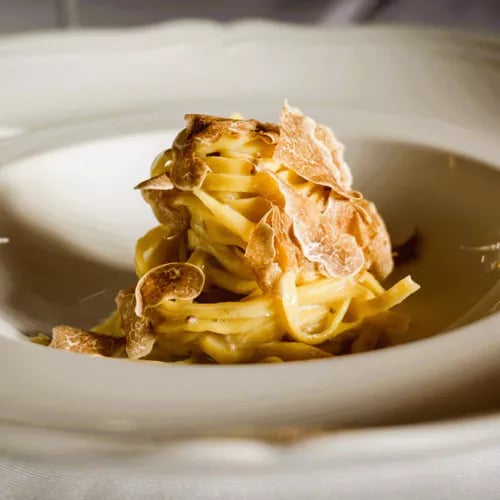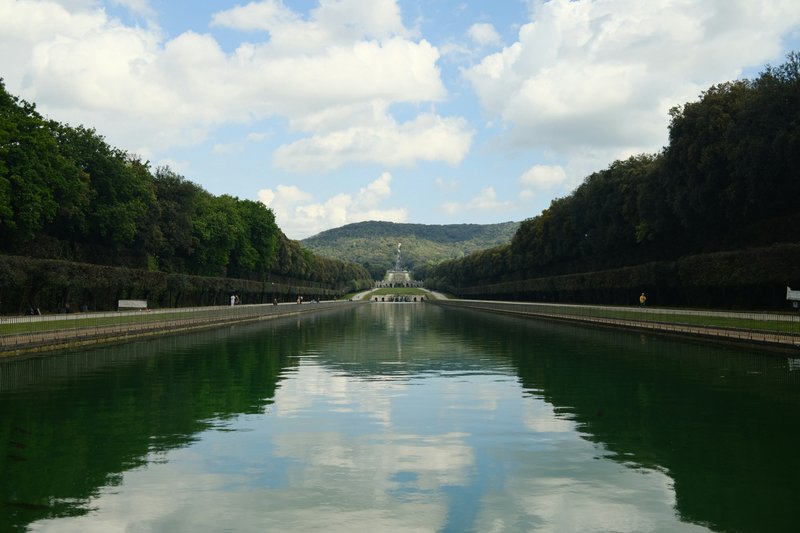
Marble columns frame an elegant dining room where a grand piano sets the tone for chef Rossana Marziale's Mediterranean cooking. Her seafood-focused menu draws deeply from Campania's larder, with buffalo mozzarella appearing throughout—even in desserts—prepared in inventive variations. The kitchen walks a confident line between regional tradition and contemporary technique, making this a refined choice for travelers exploring Caserta's gastronomic scene.
Housed within a historic Bourbon palazzo in central Caserta, Sunrise dedicates its entire menu to seafood, from classic Campanian preparations to a comprehensive raw fish selection. The dining room extends through the building to a literary veranda and out to tables surrounded by citrus trees. A champagne-focused wine list complements the maritime emphasis, making this an address for leisurely, refined fish dinners.
Beneath the shadow of a Norman castle in the village of Limatola, this Bib Gourmand address delivers seafood-focused cooking at honest prices. The kitchen moves confidently between shellfish pastas, fish guazzetto enriched with seasonal greens, and pristine raw preparations. A courtyard opens for warm-weather dining, and the rum-soaked babà provides a fitting Campanian finale to an unpretentious, thoroughly satisfying meal.
The Volturno valley provides a scenic backdrop for chef-owner Renato Martino's celebration of Caserta's larder. His menu reads like a regional inventory: Black Casertano suckling pig, slow-cooked lamb, local duck, and the area's prized buffalo mozzarella. Fish receives equal attention—mullet, John Dory, and bream prepared with confident simplicity. Classic decor and unhurried service complete a meal rooted firmly in place.
Two rustic dining rooms divided by a brick archway set the scene at this trattoria near San Leucio. The kitchen channels Neapolitan tradition with particular authority in rice preparations—an unusual specialty for Campania that rewards the curious diner. Unpretentious and warmly regional, Antica Locanda suits travelers seeking authentic local cooking without ceremony, at prices that encourage lingering over multiple courses.
Frequently Asked Questions
What local dishes should visitors try in Caserta?
+
The area is renowned for buffalo mozzarella from the Aversa and Mondragone dairies, often served hours after production. Look for casatiello (a rich Easter bread with salumi and cheese enjoyed year-round), pasta e fagioli in the Terra di Lavoro style, and dishes featuring black pig from the Casertano breed. Annurca apples, the region's prized red variety, appear in desserts and digestivi.
Which neighborhoods are best for dining near the Royal Palace?
+
The streets immediately surrounding Piazza Dante offer the highest concentration of restaurants, from traditional trattorias to contemporary interpretations of Campanian cuisine. Via Mazzini and Corso Trieste in the centro storico provide more local, less tourist-oriented options. For evening drinks with views, the former silk village of San Leucio, a short drive uphill, offers terraces overlooking the plain.
How does Caserta's food scene differ from Naples?
+
While Naples dominates with pizza and seafood, Caserta's cuisine reflects its agricultural hinterland — the Terra di Lavoro. Expect more emphasis on buffalo dairy products, pork from heritage breeds, and produce from the fertile Volturno valley. The pace is distinctly provincial: longer meals, smaller crowds, and family-run establishments where recipes have passed through generations without much concern for trends.
Nearby Destinations
Explore ItalyCaserta exists in the long shadow of its Reggia, the largest royal palace in Europe, yet the city beyond those gates rewards those who venture further. The centro storico unfolds along Via Mazzini and Corso Trieste, where family-run trattorias serve casatiello and mozzarella di bufala from nearby Aversa. This is not Naples — the pace is slower, the tables unhurried, the cooking rooted in Terra di Lavoro traditions that predate the Bourbons.
The dining scene clusters around Piazza Dante and the streets radiating from the Palazzo Reale. Local chefs work with ingredients from the Volturno plain: sweet Annurca apples, black pig salumi, and pasta di Gragnano. San Leucio, the former royal silk colony just uphill, has evolved into a destination for evening aperitivi with views across the Campanian plain. The rhythm here follows the seasons — winter brings wild boar and chestnuts, summer the tomatoes that define this fertile corner of southern Italy.