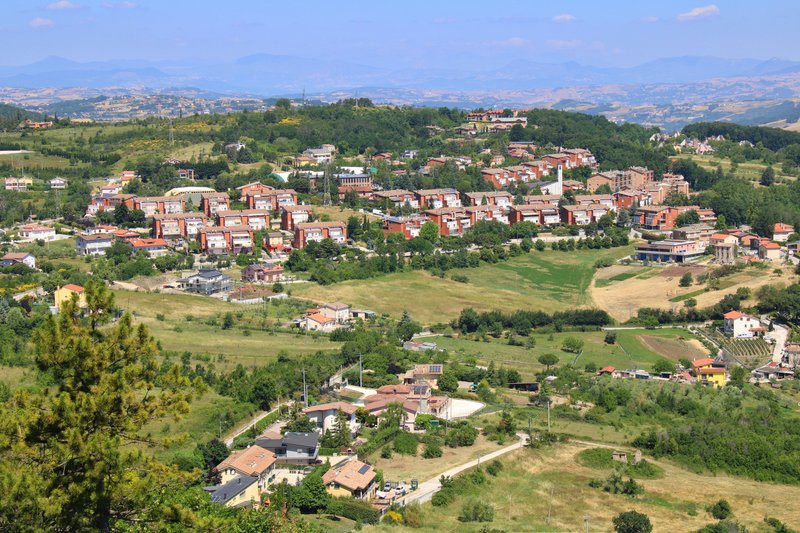
Stefania Di Pasquo's one-starred kitchen occupies a rustic farmhouse amid the rolling hills of Molise, where regional ingredients undergo a distinctly personal, modern interpretation. The dining room—warmed by an open fireplace and adorned with vintage copper—creates an intimate backdrop for her husband Thomas Torsiello's thoughtfully assembled wine selection, which ventures into champagne territory. A destination for couples seeking gastronomic depth in pastoral tranquility.
Former stables within Borgotufi's scattered stone village now house this atmospheric dining room where chef Marco Pasquarelli interprets Molise's pastoral terroir through a contemporary lens. The menu balances regional ingredients—robust mountain flavors, rustic traditions—with occasional seafood diversions, earning Michelin recognition. A worthwhile detour through green, rolling hills for travelers seeking authentic Italian cuisine beyond the well-trodden paths.
Chef Lucio Testa converted a stone sheepfold perched at 937 metres into an intimate dining room where Molise traditions meet French technique. Vegetables from his own garden accompany revisited regional recipes, with mulard duck emerging as a signature across several discovery menus. The raw stone walls and contemporary lighting frame a cuisine rooted in altitude and terroir, best paired with local Tintilia wines.
Since 1948, this family-run trattoria has served Molise's regional traditions with unpretentious confidence. The kitchen favors meat above all else—robust preparations that speak to the territory's pastoral heritage—though baccalà provides a worthy counterpoint for those seeking an alternative. Dishes arrive without fanfare but deliver genuine depth of flavor, best appreciated in the relaxed, convivial atmosphere that has drawn locals for three generations.
Inside a late-eighteenth-century palazzo where Murano glass chandeliers cast light on original flooring, Miseria e Nobiltà plays on the tension between humble Molisan ingredients and refined presentation. The kitchen excels at handmade pastas and seasonal truffles—both white and black—from the surrounding hills, while signature plates like boned rabbit with leeks and Annurca apples demonstrate peasant traditions elevated through precise technique.
Frequently Asked Questions
What regional dishes define Molise cuisine?
+
Cavatelli pasta with meat ragù anchors most menus, alongside lamb cooked over open flame, pallotte cacio e ova (cheese and egg fritters), and ventricina — a spreadable pork salami seasoned with local peppers. Mountain herbs and foraged greens appear in spring preparations.
Is Tintilia wine available only in this region?
+
Yes. Tintilia del Molise is an indigenous grape variety cultivated exclusively in this region. Production remains small-scale, with most bottles consumed locally. Restaurants in Campobasso typically offer several labels, and producers near Campomarino welcome visitors for tastings.
What are typical dining hours in Campobasso?
+
Lunch service runs from 12:30 to 14:30, with kitchens reopening around 19:30 for dinner. Sunday lunch extends well past 15:00 as local custom. Many trattorias close Monday evenings. Reservations become necessary only during August festivals and holiday weekends.
Nearby Destinations
Explore ItalyMolise remains Italy's least-explored region, and its capital Campobasso rewards visitors with an unfiltered culinary identity shaped by centuries of pastoral tradition. The old town climbs toward the Monforte Castle, its narrow streets lined with family-run trattorias serving cavatelli pasta with ragù, lamb prepared alla brace over wood fire, and local caciocavallo cheese aged in mountain cellars. The surrounding countryside produces Tintilia wine, a grape variety found nowhere else, while villages like Agnone maintain copper-working traditions that date to the medieval period.
Dining here follows seasonal rhythms still observed by local families. Autumn brings truffle hunters from the Matese mountains; winter menus feature ventricina salami and hearty bean soups. The regional cooking lacks the refinement of northern Italy but compensates with honest preparation and ingredients sourced from farms within a short drive. Reservation protocols remain informal — arrive early for Sunday lunch, when extended families gather and courses stretch past mid-afternoon.