Skip to content

Bressanone Valle Isarco

Where to Stay

1. FORESTIS Dolomites

2 Michelin Keys

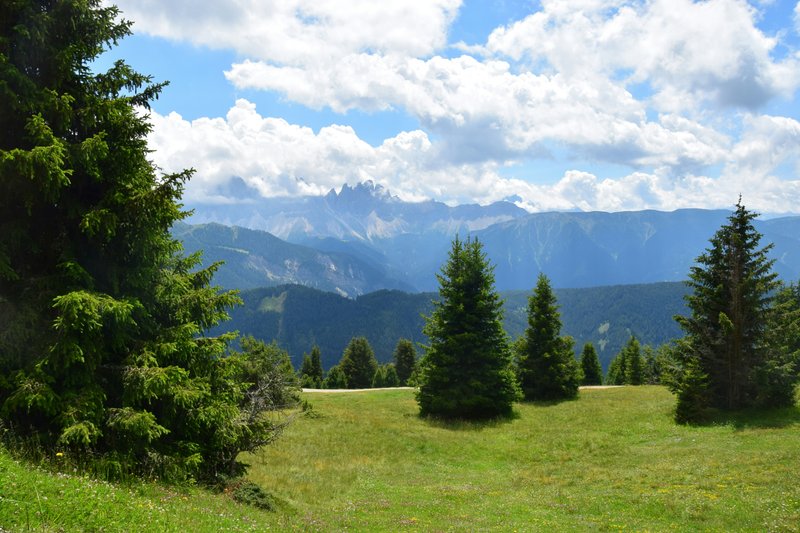
Architect Armin Sader's three spruce-wood towers rise at 1,800 meters in the South Tyrolean Dolomites, their forms echoing the ancient conifers below. This adults-only retreat houses 62 suites with floor-to-ceiling windows framing alpine panoramas, a spa drawing on mountain pine, larch, and Swiss stone pine traditions, and a tiered restaurant serving slow-food cuisine from local farms—the dining room angled like a cinema toward the peaks.

2. Pineta Hotels (Trentino)

The Sicher family has shaped Pineta Hotels into an eco-conscious retreat where mountain immersion feels effortless. A dedicated children's pool, kids' club, and early dinner seatings with a tailored menu make this a rare find for traveling families seeking genuine comfort rather than compromise. The spa earns particular praise, its facilities and service matching the warmth that permeates every corner of this alpine property.

3. Tenne Lodges

Thirty-five chalet-style rooms clad in natural wood and stone anchor this Tyrolean retreat near the Austrian border. The infinity pool and sun terrace command sweeping Alpine panoramas, while a hammam, sauna, and beauty salon complete the spa offering. Evenings gravitate toward the stone wine cellar and cigar lounge, or to a bar where mixology takes center stage—ideal for couples seeking mountain sophistication with indulgent edge.

4. Milla Montis

1 Michelin Key

Peter Pichler's architectural vision shapes this 25-room retreat where asymmetrical rooflines and slate-gray larch cladding sweep into organic curves against the Dolomites backdrop. Inside, warm ash surfaces meet forest-green wool furnishings throughout intimate spaces. The spa and sauna provide restoration after mountain pursuits, while the kitchen delivers hearty Tyrolean plates built on local produce—an Alpine lodge refined through contemporary Milanese design.

5. Adler Historic Guesthouse

Vaulted ceilings and ancient stone walls line this 44-room guesthouse on Bressanone's river promenade, a minute's walk from the cathedral square. The historic bones remain intact while interiors take a refreshingly restrained approach to renovation. A rooftop spa with outdoor pool frames views of the white tower and Dolomite peaks; the ground-floor bar draws locals alongside guests. Pet-friendly, central, quietly sophisticated.

6. Ansitz Steinbock

Thirteenth-century stone foundations anchor this twelve-suite retreat in the mountain village of Villandro, where original timber beams and irregular floor plans meet sharp contemporary furnishings. The fine dining restaurant channels pure South Tyrolean tradition, its menus paired with Alto Adige wines drawn from an on-site cellar. A sauna and nearby vineyard excursions complete the alpine immersion for oenophiles seeking historic atmosphere.

7. Elephant

A fourteenth-century manor house turned refined retreat, the Elephant carries its age with quiet authority across 44 rooms. The surrounding parkland unfolds into orchards, a seasonal swimming pool, and a tennis court—rare amenities for a property of such historic character. Inside, a Turkish bath and sauna offer restoration, while a library and pet-friendly policy suit extended stays in the Alto Adige foothills.

8. Felder Alpin Lodge

A centuries-old mountain farmhouse restored to exclusive-use retreat, Felder Alpin Lodge perches at 1,200 meters with sweeping Dolomites panoramas across four hectares of Alpine meadow. Three rooms blend rustic Tyrolean character with Italian designer lighting and global accents from Bali and Morocco. A private chef sources ingredients from local farmers, while an underground cellar anchors wine tastings and regional immersions—hay bathing, butter churning, glacier expeditions.

9. My Arbor - Dolomites

Italy's largest treehouse hotel rises 25 meters above South Tyrolean pine forests on steel pillars designed to echo tree trunks. The 104 suites, clad in reclaimed larch and fir, frame floor-to-ceiling views of the Dolomites. Below, the 2,500-square-meter Arboris spa sprawls across two levels with an infinity pool overlooking the Isarco Valley. Adults-only and all-inclusive, with Plose's slopes just steps away.

Where to Eat

1. Apostelstube

★ Michelin

Four tables beneath the gaze of twelve apostle statuettes: Apostelstube occupies an intimate chamber within Hotel Elephant, a late fifteenth-century landmark under the same family's stewardship for eight generations. Chef Mathias Bachmann composes an exclusive tasting menu that channels Japanese precision through Alpine sensibility, drawing ingredients from across continents. Seasonal aperitifs unfold in the garden or an elegant upstairs lounge before dinner service begins.

2. Gourmetstube Einhorn

★ Michelin

Inside a 13th-century post house, Chef Peter Girtler orchestrates an intimate five-table dining room where medieval wood panelling sets the stage for contemporary creativity. His single tasting menu—available in four, five, or six courses—weaves meat, fish, and vegetables into vibrant compositions. The Stafler hotel's guestrooms upstairs eliminate any concern about the drive home, encouraging full immersion in the evening.

3. Ansitz Steinbock

Michelin Selected

A castle in Villandro's center houses two distinct dining experiences under one roof. La Lumosa, intimate with just four tables, presents contemporary tasting menus of five or six courses in a romantic setting. For something rooted in tradition, Stain serves à la carte Tyrolean fare in a classic stube, extending to outdoor tables when weather permits. Twelve suites available for overnight guests.

4. Artifex

Michelin Selected· Green Star ●

Within the Feuerstein Nature Family Resort in Val di Fleres, Artifex delivers creative regional cooking rooted in sustainability—its Michelin Green Star earned through a chemical-free kitchen garden supplying herbs and vegetables directly to the plate. The small, elegant dining room keeps focus intimate, while a talented sommelier decants selections from a well-stocked cellar tableside, completing an alpine meal built entirely on seasonal integrity.

5. Der Unterwirt

Michelin Selected

Centuries-old wood paneling lines the intimate Stube dining rooms of this private house turned restaurant, one space dating to the 13th century creating an atmosphere of rare romance. Chef-owner Thomas Haselwanter crafts Alpine cuisine with Mediterranean inflections, showing particular mastery with fish dishes that balance precision against South Tyrolean comfort. A summer terrace extends the experience outdoors.

6. Elephant

Michelin Selected

Antique wood panelling lines the dining room of this restaurant within the storied Elephant hotel, creating an atmosphere steeped in Alpine heritage. The kitchen applies creative techniques to South Tyrolean traditions—char arrives with celery cream, green apple, and delicate elderflower—while a formidable cellar of nearly one thousand labels ensures memorable pairings for those seeking refined regional cooking.

7. Kircherhof

Michelin Selected· Green Star ●

Four generations of the same family have tended this 17th-century farmstead, transitioning from fruit and vegetable cultivation to a restaurant where organic, sustainably sourced ingredients earn a Michelin Green Star. The kitchen honors Alto Adige traditions while bringing contemporary curiosity to each colorful, generously portioned plate. An all-female service team guides diners warmly, and a shop offers house-made provisions to carry home.

8. Kleine Flamme

Michelin Selected

Chef Bacher Burkhard works from a central open kitchen at this intimate Vipiteno address, crafting a precise fusion of Alto Adige traditions with Asian techniques. His tuna tataki—finished with salty lemon oil and bitter herbs—demonstrates the kitchen's confident hand. Wife Annelies runs the dining room with warmth, making this Michelin Plate holder feel genuinely personal rather than performative.

9. Oste Scuro - Finsterwirt

Michelin Selected

The Mayr family has presided over this narrow alleyway address since the late nineteenth century, serving regional South Tyrolean cooking with Mediterranean inflections. A signature soup enriched with Sylvaner wine from the Isarco valley and Tirtl—fried pies filled with ricotta, spinach, and cinnamon—anchor the tasting menus. Summer diners claim the terrace; cooler months retreat to historic wood-paneled rooms.

10. Vitis

Michelin Selected

Vitis occupies a striking wine bar space in central Bressanone, its walls entirely clad in bottles that double as both décor and an extensive cellar. The contemporary kitchen delivers refined regional plates—cod paired with cauliflower, cavolo nero, and beurre blanc exemplifies the approach. Sharing a building with the family-run Oste Scuro and connected to the historic Adler guesthouse nearby, this address suits travelers seeking polished gastronomy in an intimate, oenophile setting.

Frequently Asked Questions

What makes Valle Isarco wines distinctive?

+

The valley's steep slopes and significant day-night temperature variations produce aromatic white wines with pronounced minerality. Varieties like Sylvaner, Kerner, Grüner Veltliner, and Gewürztraminer thrive in this high-altitude terroir, with the Abbazia di Novacella and surrounding estates maintaining centuries-old winemaking traditions. The Eisacktaler DOC designation covers these mountain whites, often served alongside the region's speck and cheese.

How does the South Tyrolean culinary tradition differ from the rest of Italy?

+

South Tyrolean cuisine reflects the region's Austrian heritage, featuring dishes like canederli (bread dumplings), speck Alto Adige (cured ham), schlutzkrapfen (spinach-filled pasta), and apple strudel. Restaurants typically offer menus in both German and Italian, and the dining rhythm follows Central European patterns — earlier meal times, afternoon Kaffee und Kuchen, and a strong emphasis on local dairy, cured meats, and alpine herbs.

What is the best way to explore the valley beyond Bressanone?

+

The medieval town of Chiusa (Klausen) lies fifteen minutes south, its artists' quarter once home to Albrecht Dürer. The Funes valley opens toward the Odle peaks, while the Plose mountain above Bressanone provides cable car access to hiking terrain with Dolomite panoramas. The Südtirol-Pass covers regional buses and trains, connecting valley towns from Fortezza to Vipiteno, each with its own market squares and parish churches.