Three generations of the Dal Farra family have welcomed diners since 1900, when this address served workers from the local mill. Chef Renzo now holds a Michelin star for his regional cooking, occasionally sharpened with modern accents. The rustic dining room remains the draw—two tables set directly before the open hearth offer front-row seats to alpine hospitality refined over a century.
An eighteenth-century villa in a quiet hamlet outside Belluno provides the rustic setting for this Bib Gourmand address. The kitchen honors Veneto traditions through house-cured salumi known as Gioie del Borgo, hearty barley and bean soup, and homemade gelato that closes meals on a high note. Italian contemporary cooking at honest prices, suited to travelers seeking regional authenticity over spectacle.
Deep in the wooded slopes above Vodo di Cadore, this mountain chalet draws diners seeking honest regional cooking with refined execution. The kitchen works closely with local ingredients, turning out dishes like slow-cooked rack of lamb paired with creamed sweetcorn and leek fondant. Inside, rough-hewn timber and an open hearth create the kind of Alpine warmth that suits lingering suppers after a day in the Dolomites.
The Codole family traded copper mining for cooking, channeling generations of mountain heritage into a Michelin-recognized table in Canale d'Agordo. Their ricotta and black truffle ravioli dressed with lamb ragù demonstrates precise technique, while loin of venison wrapped in porcini crust speaks to deep knowledge of Dolomite terroir. A family address for travelers seeking authentic alpine gastronomy.
Steps from Feltre's Concattedrale di San Pietro Apostolo, Aurora presents Italian and regional cooking through a light, modern lens. The cheerful dining room—awash in colour, softly lit, lined with wine bottles—sets an upbeat tone for plates of meat and fish that balance tradition with contemporary finesse. A Michelin Plate holder, it rewards those exploring the Belluno foothills with polished, unfussy cuisine.
Two centuries of family stewardship have shaped Il Capriolino into an elegant Alpine dining room where hunting trophies, antique clocks, and period frescoes evoke a distinctly Middle European atmosphere. The kitchen honors regional traditions while introducing creative flourishes, earning Michelin recognition. Against the dramatic backdrop of the Belluno Dolomites, this intimate address rewards travelers seeking authentic mountain gastronomy with refined touches.
Three generations of women have shaped this Alpago inn into a destination for lamb raised on the family's own nearby farm—a rarity that defines the kitchen's honest, seasonal approach. The chef draws on decades of experience to craft country dishes with subtle contemporary touches, best enjoyed on the broad terrace as sunset colors the Dolomite foothills. Michelin Plate distinction.
A fixture of Quero since the 1950s, Locanda Solagna pairs decades of tradition with a refreshed contemporary setting. Evening service reveals the kitchen's true depth—regional Veneto cooking built on seasonal produce, executed with precision and served alongside a thoughtfully assembled wine list. Lunch takes a more relaxed osteria approach, ideal for those seeking authentic local flavor without ceremony.
Meat commands the menu at this Dolomite address, where evening service showcases the day's finest ingredients through a lightly modern lens. Lunch takes a more casual turn with imaginative lighter plates—the signature orsoburger has earned devoted followers. A handful of fish preparations offer counterpoint to the robust meat repertoire, rounding out a mountain dining experience with genuine culinary ambition.
Tucked into Belluno's historic quarter, Terracotta occupies an intimate dining room where regional Italian cooking takes unexpected turns through international influences. The kitchen holds a Michelin Plate for its creative reinterpretations—dishes that respect tradition while venturing confidently beyond it. When summer arrives, the terrace beneath a flowering wisteria becomes the preferred setting, dappled light filtering through violet blooms onto plates of inventive comfort.
Frequently Asked Questions
What makes Cortina d'Ampezzo different from other Dolomite resorts?
+
Cortina sits on the Veneto side of the Dolomites rather than in South Tyrol, giving it a more Italian character than German-speaking resorts like Ortisei. The town hosted the 1956 Winter Olympics and will co-host in 2026, which has shaped its infrastructure and international outlook. The main street, Corso Italia, feels more like a northern Italian passeggiata than an Alpine village.
When is the best season to visit the Belluno Dolomites for non-skiers?
+
Late June through September offers ideal conditions for hiking, via ferrata routes, and mountain biking. The Tre Cime di Lavaredo and other iconic peaks are accessible without snow equipment. September brings fewer crowds and golden larch forests. Many mountain refugios close by mid-October, so plan accordingly.
Are there good dining options outside Cortina d'Ampezzo?
+
The town of Belluno has several excellent restaurants serving traditional Veneto cuisine at more modest prices than Cortina. Pieve di Cadore, birthplace of Titian, offers authentic trattorias. Auronzo di Cadore and Agordo also have reliable local options, though expect simpler preparations and earlier closing times than in the main resort.
Nearby Destinations
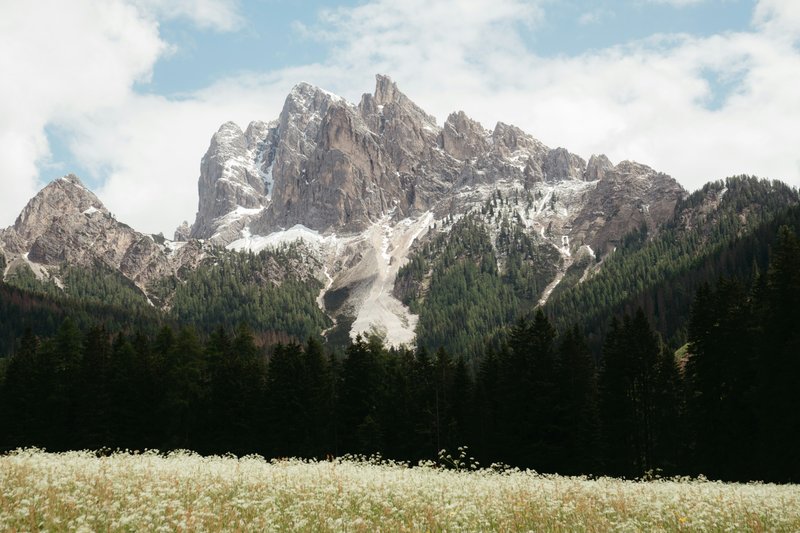
Explore ItalyThe province of Belluno stretches across the eastern Dolomites, encompassing the dramatic peaks of Cortina d'Ampezzo and the quieter valleys around Auronzo di Cadore and Agordo. This is not the overcrowded Tyrol of tour buses — the Veneto side of the range retains a distinctly Italian sensibility, where rifugio culture meets Venetian influence. Towns like Belluno itself, perched above the Piave River, preserve Renaissance loggias and frescoed palazzi that speak to centuries of trade between Venice and the Alpine north.
The dining scene draws heavily on mountain traditions: casunziei (beet-filled pasta), wild game, and cheeses aged in high-altitude cellars. In Cortina, restaurants serve these dishes with a polish befitting the resort's reputation, while trattorias in smaller towns like Pieve di Cadore offer the same ingredients with less ceremony and lower prices. After skiing or hiking, the afternoon ritual involves strong espresso and a wedge of apple strudel — Germanic influences persist this close to the Austrian border.