


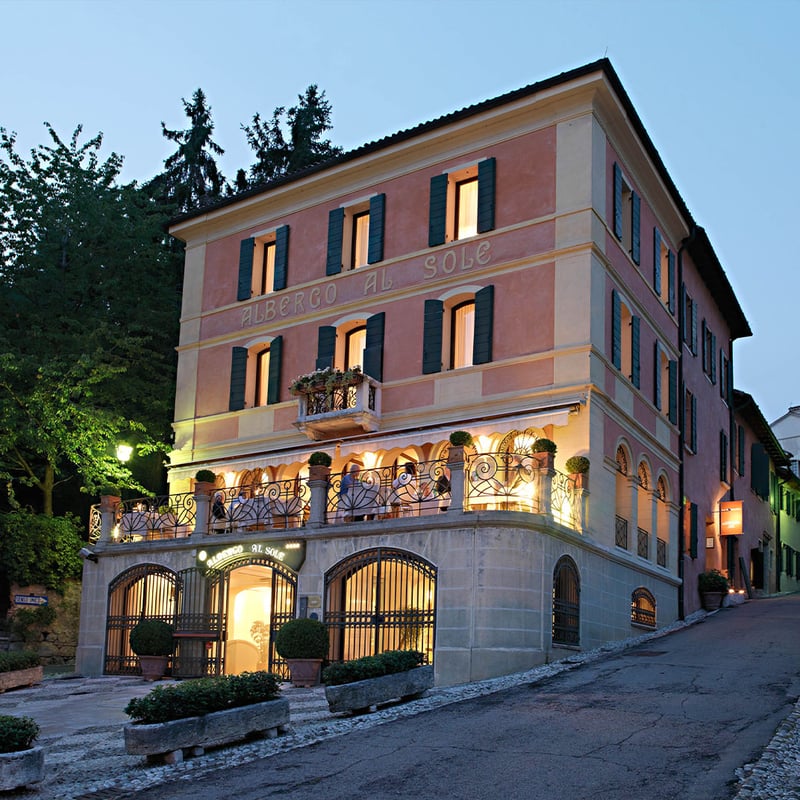
A sixteenth-century villa perched on a steep lane above Asolo Square, this 23-room albergo greets arrivals through a black-and-white frescoed grotto. Inside, bedrooms are dressed in rich antique wood while bathrooms feature traditional patterned tiles and Tuscan ceramics. The mansard-roofed Attic Suite commands the entire top floor, and prosecco from surrounding Veneto hills flows freely throughout the property.
Bassano & Asolo Travel Guide: Best Hotels, Restaurants & Experiences 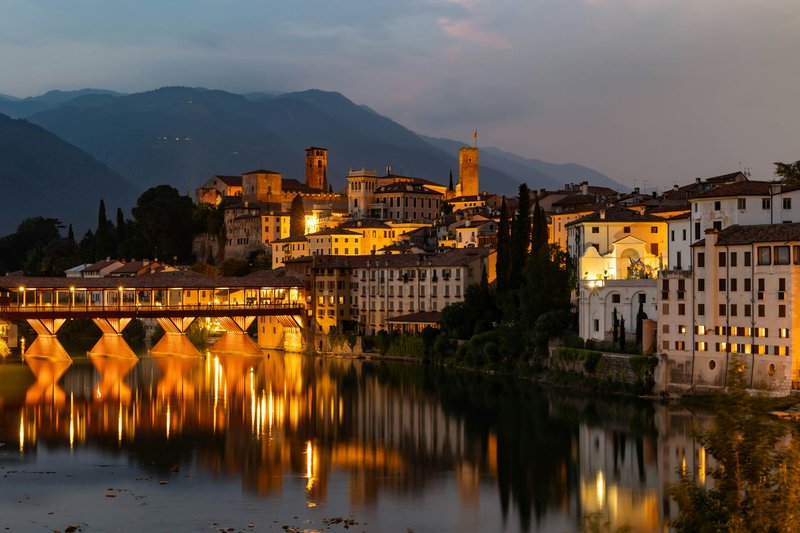
Explore Bassano Asolo
Hotels (2)
Restaurants (5)
Where to Stay

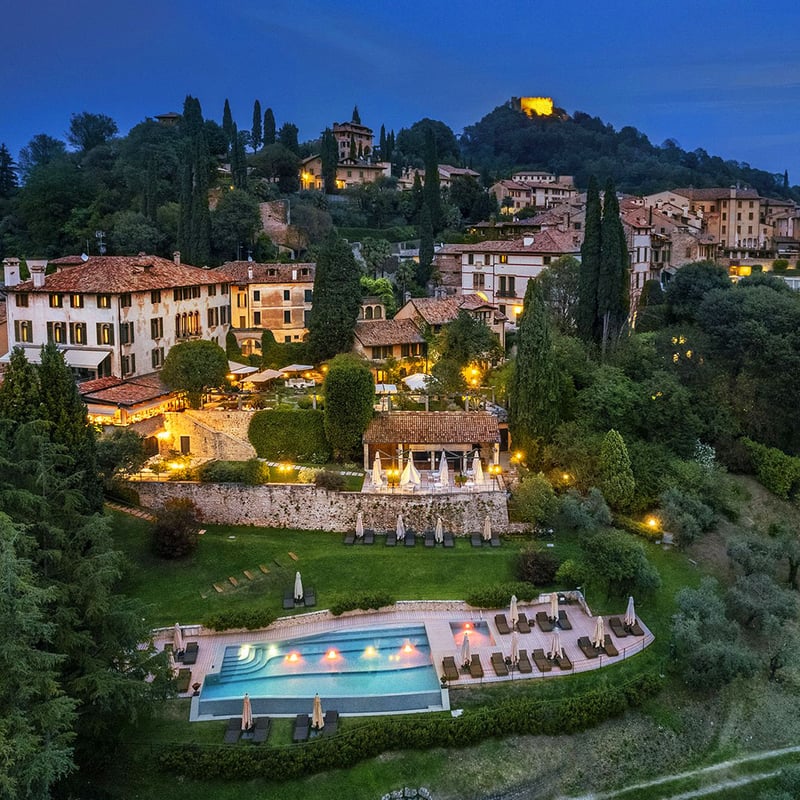
Robert Browning once called this fifteenth-century villa home, and its 31 rooms retain that intimate, residential character despite modern management. Perched in medieval Asolo—the historic hilltop escape of Venetian aristocracy—the property commands sweeping views across mountains and the Venetian plain. The restaurant's panoramic terrace alone justifies the hour's drive from Venice, offering refined dining against a backdrop few hotels can match.

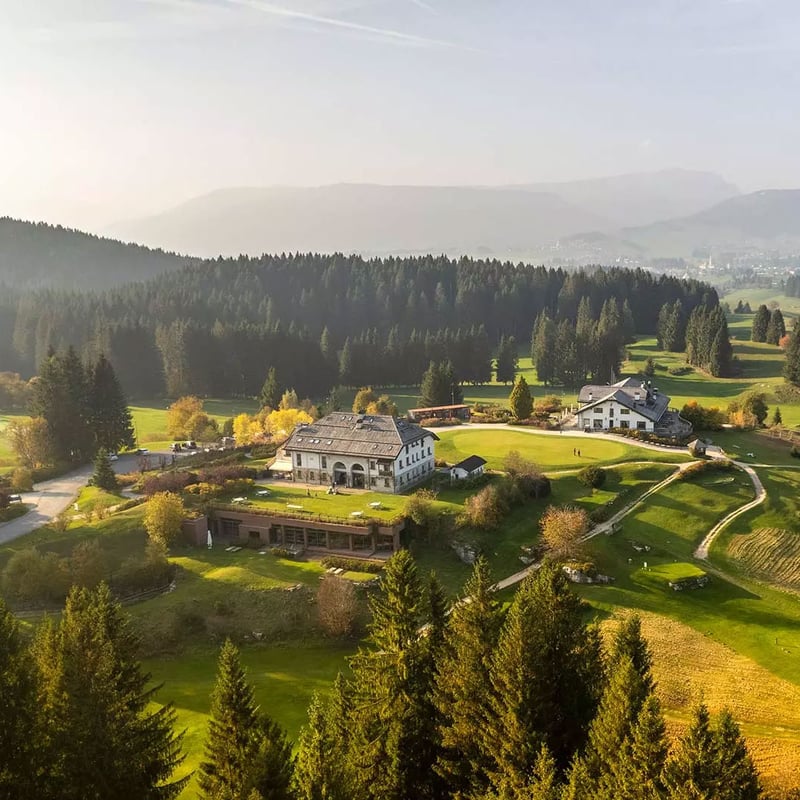
A restored 19th-century farmhouse on the Asiago Plateau, Meltar Boutique Hotel counts just nineteen rooms with vaulted wood ceilings, parquet floors, and mountain views stretching across golf greens and cross-country skiing trails. The Turkish bath, sauna, and jacuzzi complement an on-site yoga center, while cooking classes with the chef include visits to local wineries and cheese producers. Pet-friendly throughout.
Where to Eat

★ Michelin· Green Star ●
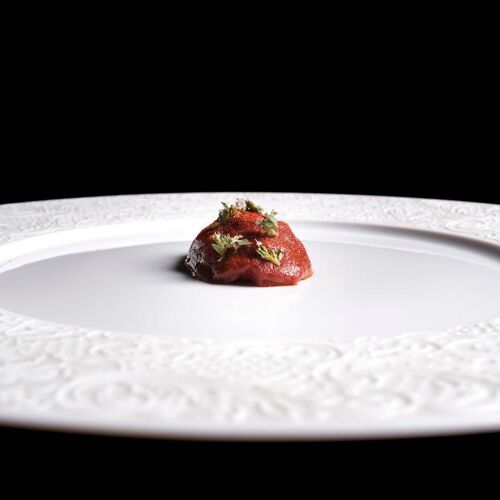
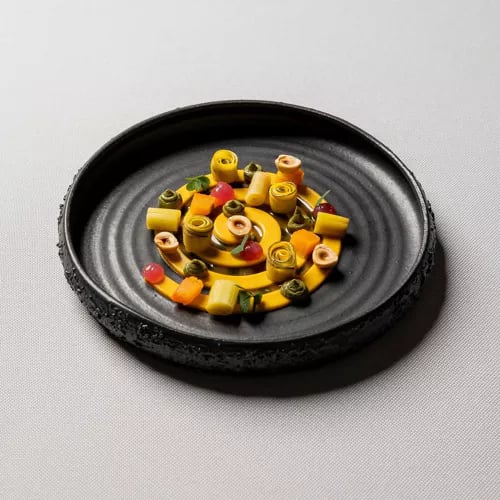
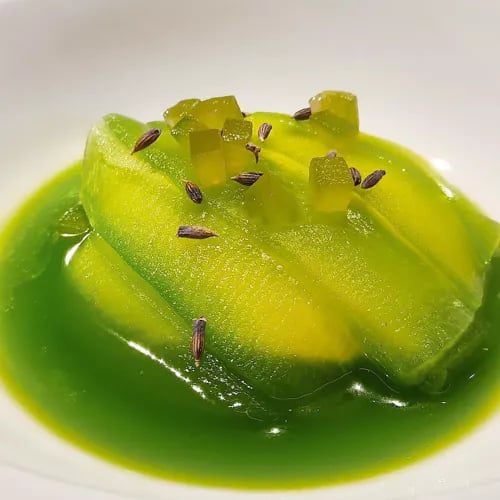
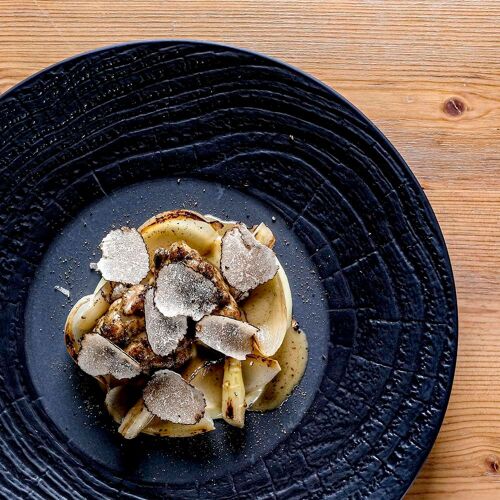
Perched on the Asiago plateau after a series of dramatic hairpin bends, La Tana Gourmet delivers one of Italy's most singular dining experiences. Chef Alessandro Dal Degan presents an extended tasting menu—no choices, no salt, no sugar—yet each course arrives with startling intensity and precision. The chef personally narrates the progression tableside, while Enrico Maglio orchestrates unconventional drink pairings. A Michelin star and Green Star confirm the kitchen's creative and sustainable credentials.

Michelin Selected
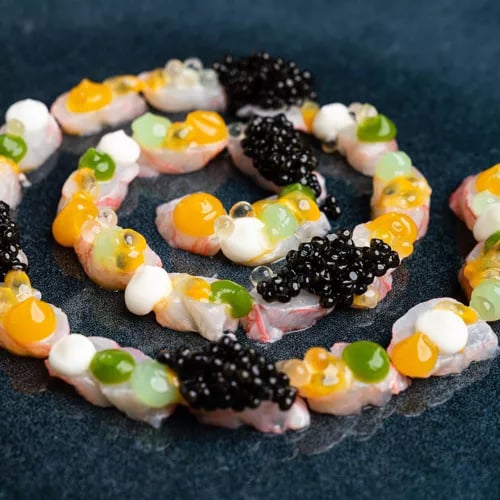
A thousand-foot avenue through vineyards and meadows at the foot of Monte Grappa leads to this elegant seafood destination. The kitchen offers two tasting routes: Familiarity, rooted in traditional home cooking, and Conjunction, which draws from the sea and garden. An eight-hundred-label wine cellar complements both paths, making this a refined choice for leisurely, wine-paired dining.

Michelin Selected
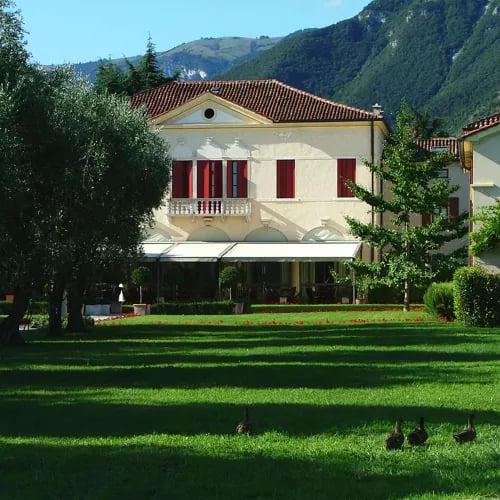
An eighteenth-century villa sets the stage for Ca' 7, its dining room opening onto gardens that capture the Veneto's gentle elegance. The kitchen works a regional register with creative inflections, favoring seafood over meat in dishes that balance tradition with contemporary technique. Classic Venetian preparations share the menu with more inventive plates, making this an address for those seeking refined local gastronomy in historic surroundings.

Michelin Selected
Perched at the entrance to Bassano del Grappa's iconic Ponte Vecchio, Impronta commands a prized position in the historic center with a handful of riverside tables overlooking the Brenta. The kitchen delivers seafood through an inventive lens—unexpected pairings and elaborate constructions reward adventurous palates. Multiple intimate dining rooms inside offer alternatives when the coveted terrace fills, though securing an outdoor seat remains the experience to chase.

Michelin Selected
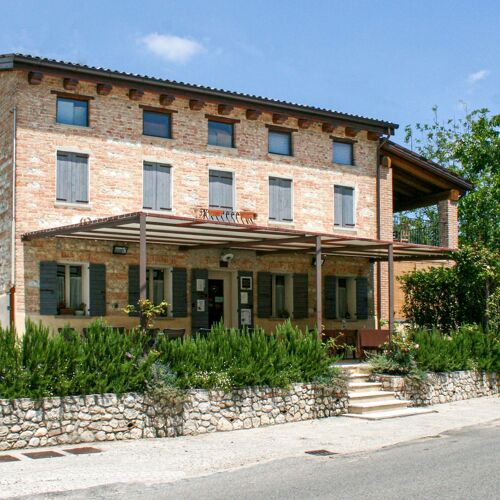
Behind Asolo's historic center, near the Canova Temple, this countryside inn channels Veneto traditions through a distinctly contemporary lens. The kitchen delivers signature linguine dressed with butter, anchovy, and pepper alongside grilled Piedmontese fassona with silken potato purée. Sommelier Enrico brings wines to life through storytelling, his personalized selections revealing unexpected regional discoveries with each course.

Michelin Selected
Father and son Paolo and Raffaele run this Michelin Plate restaurant with an intimacy rare in contemporary dining—they recite the daily menu tableside, each dish a reflection of morning markets and seasonal impulse. The kitchen moves fluidly between land and sea, grounding traditional Veneto cooking in modern technique while preserving its essential honesty. A personal, unhurried address for gastronomes exploring the foothills.

Michelin Selected
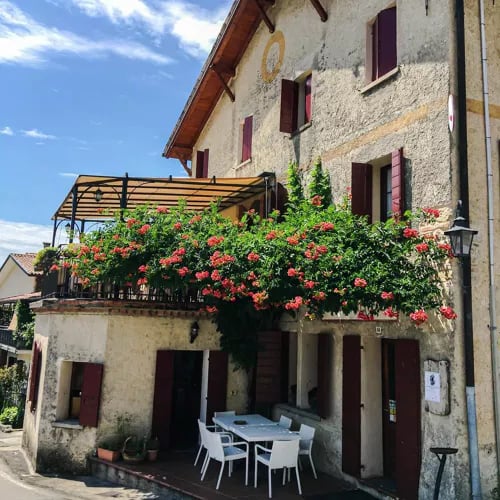
Perched in a hilltop village house, Osteria alla Chiesa offers a blind tasting menu that transforms dinner into deliberate discovery. Guests select only the number of courses; the chef handles the rest, composing modern plates from minimal ingredients with striking precision. The Michelin-recognized kitchen rewards those who prefer surrender over selection, delivering refined surprises in intimate, unassuming dining rooms.

Michelin Selected
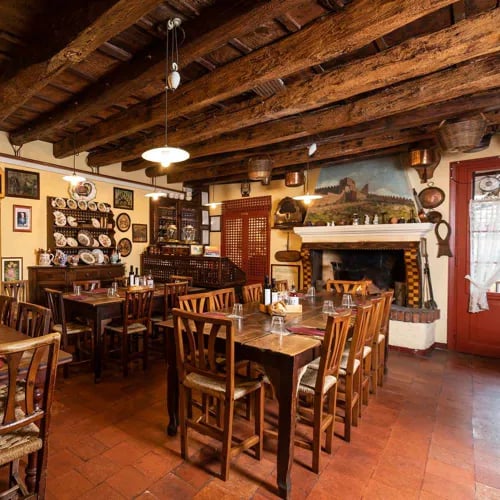
Chef Alessandro Dal Degan runs this traditional counterpart to his gourmet restaurant, both housed in the same red building on Asiago's plateau. The menu celebrates Veneto classics—baccalà alla vicentina, slow-braised tripe—alongside select dishes borrowed from his starred kitchen. Locals and visitors alike return for the carbonara dell'Osteria, assembled from exceptional regional ingredients into something deeply satisfying.

Bib Gourmand
Four generations of the same family have tended this Bib Gourmand trattoria steps from Marostica's storied chessboard piazza. The kitchen honors Venetian tradition with bigoli in rich sauces, Vicenza-style baccalà, and liver prepared alla veneziana, while desserts like zaeti biscuits and macafame pudding complete the regional immersion. A wisteria-shaded terrace and just a handful of tables make reservations essential.

Michelin Selected
A century of hospitality has shaped La Rosina, perched in the hills above Marostica with sweeping views across the Veneto countryside. Recently refreshed interiors frame a kitchen devoted to regional Italian cooking given contemporary polish—dishes rooted in tradition yet lighter, more precise. Guestrooms allow visitors to extend the stay, waking to the same panorama that accompanies dinner.
Frequently Asked Questions
How do Bassano del Grappa and Asolo differ as destinations?
+
Bassano functions as a lively commercial town with artisan workshops, riverside dining, and an active grappa production scene. Asolo operates at a slower tempo — a hillside retreat favoured by writers and artists since the Renaissance, with quieter streets and panoramic views across the Venetian plain toward the Dolomites.
What is the best way to explore the local grappa tradition?
+
Bassano hosts several historic distilleries offering guided tastings, including establishments that have operated since the 18th century. The Poli Museum on Ponte Vecchio provides context on production methods, while smaller family operations in surrounding villages welcome visitors by appointment for more intimate tours.
When should visitors time their trip to this region?
+
Late spring brings wisteria blooms along Asolo's stone walls and ideal hiking conditions on Monte Grappa. Autumn coincides with grape harvest festivities and the appearance of late-season radicchio on local menus. Summer evenings animate Bassano's piazzas, though the hills around Asolo remain cooler and less crowded.
Nearby Destinations
Explore Italy



Bassano Asolo
Bassano del Grappa straddles the Brenta River, its wooden Ponte Vecchio — designed by Palladio in 1569 and rebuilt faithfully after wartime destruction — serving as the town's symbolic anchor. The surrounding streets reveal a working ceramic tradition dating to the Renaissance, while the Poli Grappa Museum documents three centuries of distillation. Monte Grappa looms to the north, its summit a pilgrimage site for historians drawn to First World War memorials carved into the mountainside.
Thirty minutes west, Asolo earns its epithet "city of a hundred horizons" through a cascade of medieval houses descending from the Rocca fortress. Robert Browning spent his final years here; Eleonora Duse chose it for retirement. The Friday antiques market fills Piazza Garibaldi, and the surrounding hills shelter some of the Veneto's most compelling agriturismo dining, where seasonal menus follow the rhythms of radicchio harvests and wild herb foraging.