


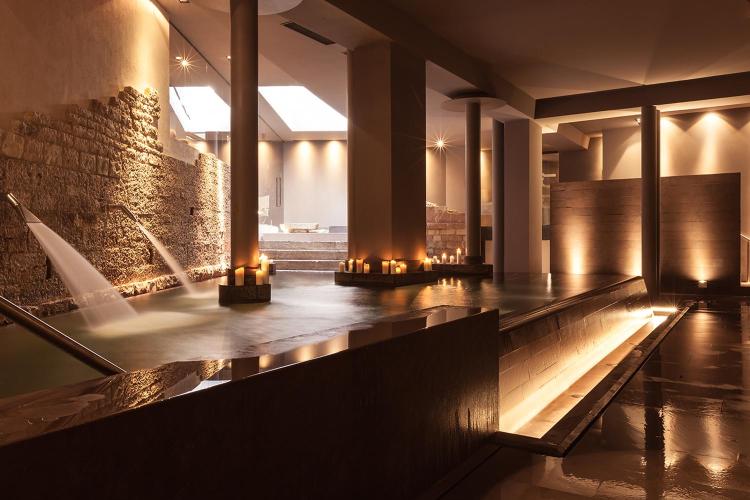
A thirteenth-century monastery stripped to its contemplative bones, Nun Assisi Relais pairs monastic severity with contemporary design across just eighteen rooms. The real revelation lies below ground: during renovation, builders uncovered Roman amphitheatre ruins dating back two millennia, now housing an atmospheric spa where guests take the waters among ancient pilasters. Turkish bath, sauna, and jacuzzi complete the subterranean retreat, while gardens offer quiet refuge above.
Assisi Travel Guide: Best Hotels, Restaurants & Experiences 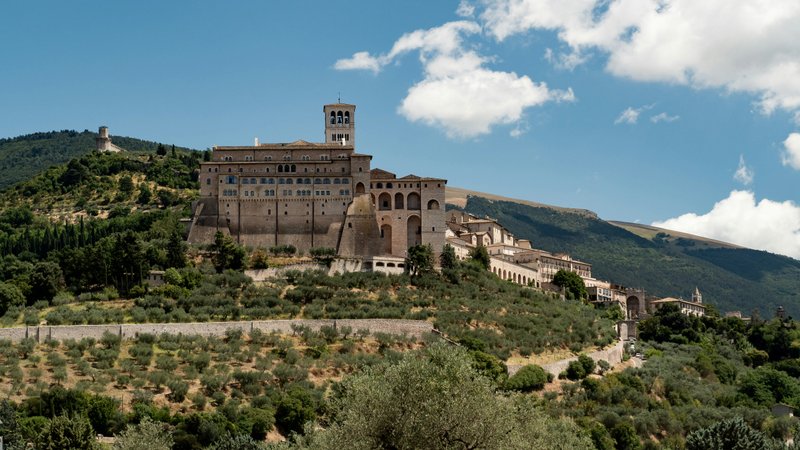
Explore Assisi
Hotels (2)
Restaurants (2)
Where to Stay

Perched on a hilltop above Assisi, Castello di Petrata commands sweeping views across the Umbrian Valley, its grounds shaded by ancient olive groves. The rarest luxury here is silence—birdsong and rustling leaves the only interruptions. Two generous family suites open onto endless outdoor space, a small playground, and a swimming pool, making this medieval retreat equally suited to couples seeking stillness and families craving room to roam.

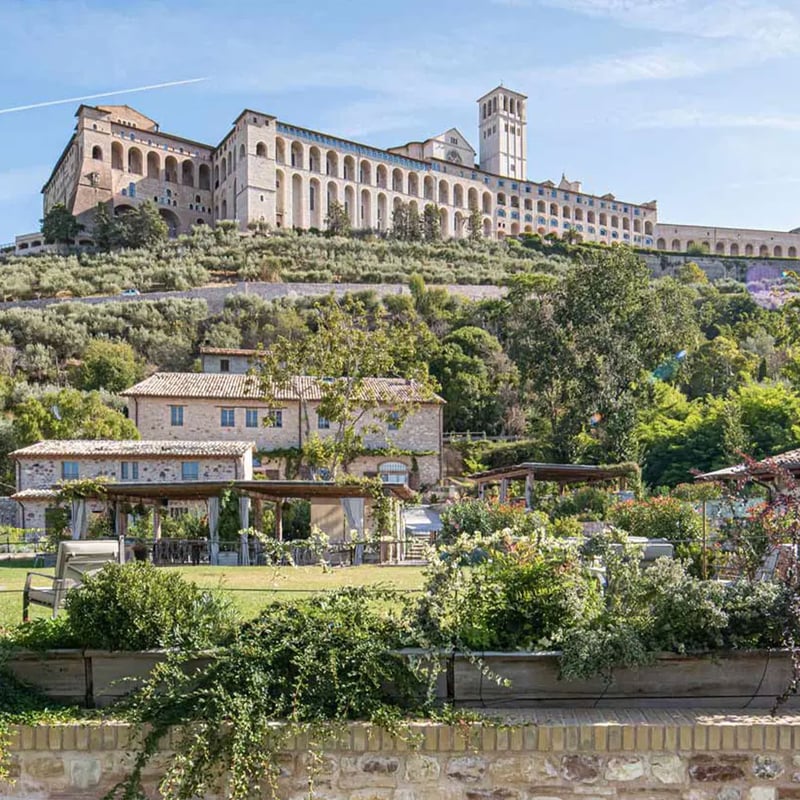
Gardens once tended by Benedictine monks anchor this intimate twelve-room retreat near the Basilica di San Francesco. Original beams and parquet floors give the spacious accommodations a quietly historic character, while an outdoor pool offers respite within the landscaped grounds. The kitchen draws on Umbrian traditions, making this a compelling base for travelers seeking proximity to Assisi's spiritual landmarks without sacrificing comfort.

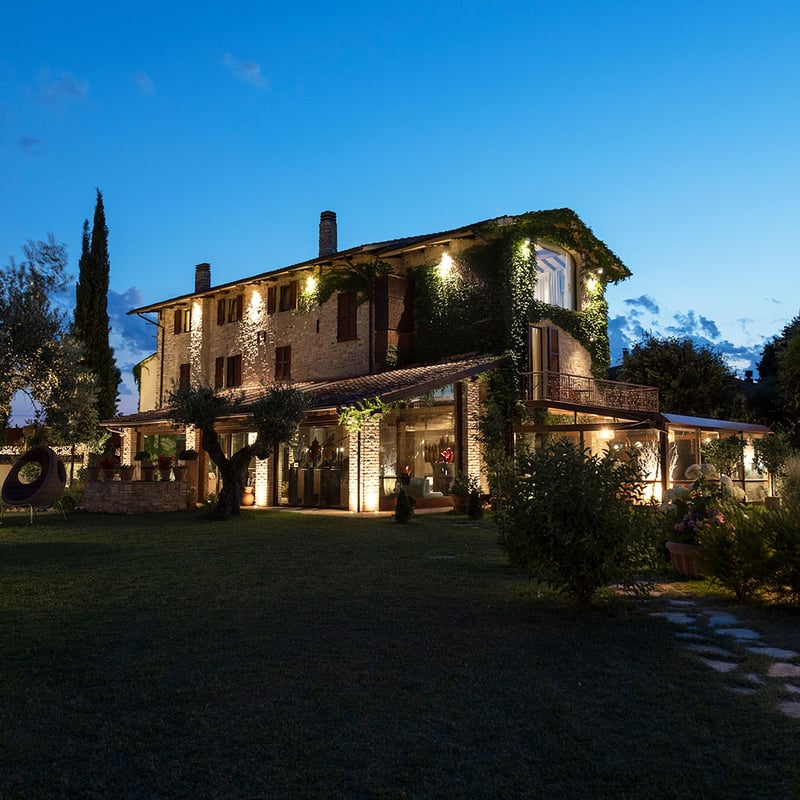
Seven rooms occupy this Umbrian farmhouse, where contemporary interiors preserve centuries-old architecture and windows frame medieval Assisi on its distant hill. The spa offers sauna, hammam, and halotherapy; the equestrian center arranges horseback tours through the surrounding countryside. Evening brings candlelit dinners set among the gardens, the hilltop city glowing softly in the distance—a retreat for travelers seeking rural Italian romance without sacrificing refinement.
Where to Eat

Michelin Selected
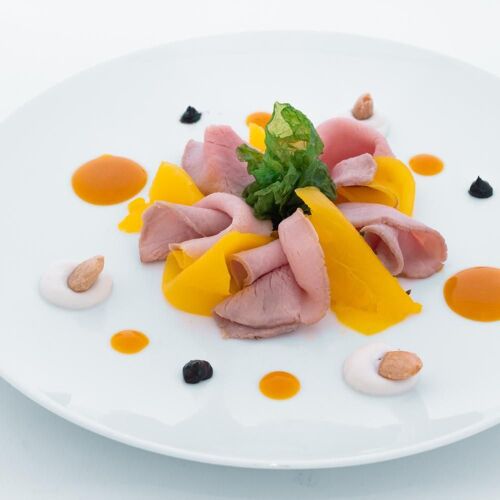
Chef Enea Barbanera brings inventive flair to Umbrian ingredients at this Michelin Plate restaurant within the Nun hotel, perched at the edge of Assisi's historic quarter. His creative compositions—notably a signature dessert pairing apricots with pine nuts and rosemary—reward adventurous palates. When weather permits, the terrace offers fortress views that turn dinner into an occasion worth lingering over.

Michelin Selected
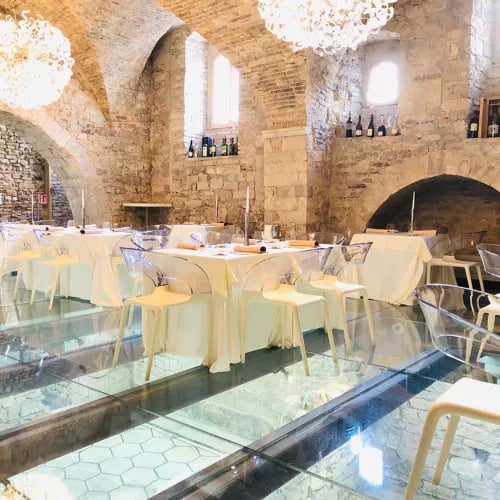
Beneath a historic palazzo on Piazza del Vescovado, diners at La Locanda del Cardinale find themselves surrounded by excavated Roman ruins from 70 BC—an archaeological setting that few restaurants anywhere can match. The kitchen navigates between rustic simplicity, such as crispy organic egg with asparagus and marjoram, and refined compositions like quail paired with Danubio brioche and barbecued artichoke. A thoughtfully assembled wine cellar completes the experience.

Bib Gourmand
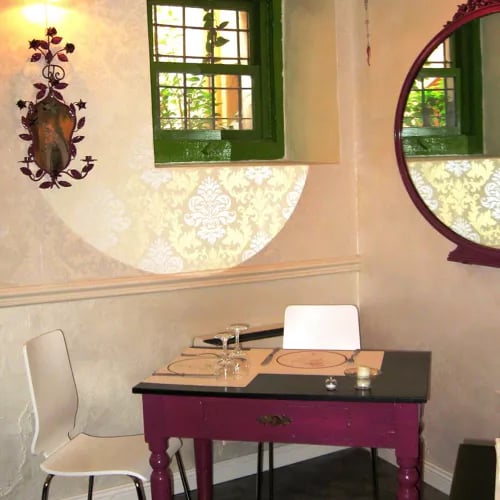
In the village of Cannara, a short drive from Assisi, Perbacco celebrates Umbrian tradition with quiet confidence. The kitchen elevates the humble onion to starring role—its gratinéed onion soup with gruyère a signature worth the detour. Owner Ernesto guides diners through regional wines with genuine enthusiasm, matching each bottle to the rustic, flavor-driven plates. A Bib Gourmand address for value-minded gastronomes.
Frequently Asked Questions
Which neighborhood in Assisi offers the best access to major sites?
+
The centro storico between Piazza del Comune and the Basilica di San Francesco places you within walking distance of the main monuments. Via San Francesco, the town's principal artery, connects these landmarks and is lined with restaurants and artisan shops. Staying here means you can visit the Basilica before the tour groups arrive or catch sunset from the Temple of Minerva steps.
What is the food culture like in Assisi?
+
Umbrian cuisine dominates, with an emphasis on truffles, cured meats, and legumes. Expect dishes like umbricelli pasta with wild boar ragù, torta al testo flatbread, and lentils from nearby Castelluccio. Restaurants often source olive oil from family groves in the surrounding hills. The wine list typically features Montefalco Rosso and Grechetto, both produced within thirty kilometers of town.
Is it worth staying outside the historic center?
+
The countryside around Assisi offers a quieter experience with expansive views. Properties near Santa Maria degli Angeli provide easy train access while sitting closer to the valley floor. Agriturismi toward Monte Subasio suit travelers who want hiking trails from their doorstep. The trade-off is needing a car or taxi for evening dinners in the centro storico.
Nearby Destinations
Explore Italy



Assisi
The medieval streets of this Umbrian hill town climb steeply from Piazza del Comune toward the Rocca Maggiore, each turn revealing stone façades that have sheltered pilgrims for eight centuries. Hotels here occupy former convents and Renaissance palazzi, their thick walls keeping rooms cool through summer afternoons. The centro storico remains refreshingly compact — most accommodations sit within a ten-minute walk of the Basilica di San Francesco, where Giotto's frescoes draw art historians and the faithful alike.
Beyond the walls, the countryside opens into olive groves and sunflower fields stretching toward Spello and Foligno. Agriturismi and converted farmhouses offer a different rhythm: morning walks through the Parco del Monte Subasio, afternoons by the pool with views of the Valle Umbra below. Dining leans traditional — handmade strangozzi with black truffle, wood-fired porchetta, local Sagrantino wines — served in vaulted cellars or on terraces overlooking the plain. The town empties of day-trippers by evening, leaving the cobblestones to those who've chosen to stay.