Moreno Cedroni has spent four decades refining his craft at this two-starred seafood destination near Ancona, earning recognition as one of Italy's most influential chefs. His on-site laboratory yields technically innovative dishes, while a beachside garden supplies vegetables kissed by salt air. Two tasting menus chart the territory: one revisiting signature classics, another tracing Marco Polo's route through Asian and Middle Eastern flavors.
Three generations after his grandmother Andreina first lit the hearth, chef Errico Recanati continues to cook over the same original fireplace and grill in this converted farmhouse near Ancona. His Michelin-starred cuisine channels the Marche's game traditions through open flame and spit, with home-grown produce adding personal flourishes. The Fiamme tasting menu features his playful "Strawberries and Cream" — a savory surprise, not dessert.
Perched on the fourth floor of the Seeport hotel, Ginevra rewards diners with sweeping Adriatic panoramas from its summer roof garden. The Ancona-born chef, a Gualtiero Marchesi alumnus, channels his Marche heritage through seafood preparations rooted in regional tradition yet open to broader Mediterranean influences. For lighter appetites, the adjacent Seeport Bistrò offers a more casual alternative.
Chef Alessio Boldrin brings fresh energy to the Venetian bàcaro tradition at this address near the central area. Traditional cicchetti arrive reimagined as tasting samples arranged on a single generous plate, encouraging exploration before the à la carte menu delivers more substantial pleasures—tagliolini cacio, pepe and scampi among the signatures. Italian and French sparkling wines complement the convivial atmosphere.
This compact trattoria on Via Marconi earns its Bib Gourmand through unpretentious excellence: Mediterranean seafood that changes with the morning catch, served in a convivial room where conversation flows as freely as the local Verdicchio. The kitchen keeps things deliberately simple, letting the Adriatic's daily offerings speak for themselves. Best enjoyed with friends who appreciate honest cooking over theatrical presentation.
Tucked into the medieval alleyways of Jesi, this former bakery retains traces of its original ovens while serving deeply rooted Marche cuisine with Mediterranean accents. The seasonal menu delivers regional classics—tagliatelle scattered with porcini, crisp local fritto misto—in a setting of unaffected warmth. A Michelin Plate holder, the osteria rewards those who seek authentic flavors over spectacle.
Frequently Asked Questions
What makes Ancona's brodetto different from other Italian fish stews?
+
Ancona's brodetto uses thirteen types of Adriatic fish — tradition dictates no fewer — cooked in vinegar rather than tomato, giving it a sharper, more astringent character than versions from Livorno or Naples. Each fish enters the pot at different intervals based on its density, and the dish is served directly from the terracotta crock in which it simmers.
Where is the best area to stay for accessing both the historic centre and the beaches?
+
The Passetto district sits between the old town and the dramatic cliff-backed beaches south of the port. From here, an elevator descends through the rock to swimming platforms below, while the centro storico lies within a fifteen-minute walk uphill. The neighbourhood offers residential calm with quick access to both waterfront and city attractions.
When do locals harvest moscioli and where can visitors try them?
+
Moscioli season runs from May through August, when these wild mussels are hand-gathered by divers from the rocks around Portonovo bay. Unlike farmed mussels, they cannot be cultivated and remain exclusive to this stretch of coast. Restaurants in Portonovo serve them within hours of harvest, often raw with just lemon, or in simple preparations that highlight their intense brininess.
Nearby Destinations
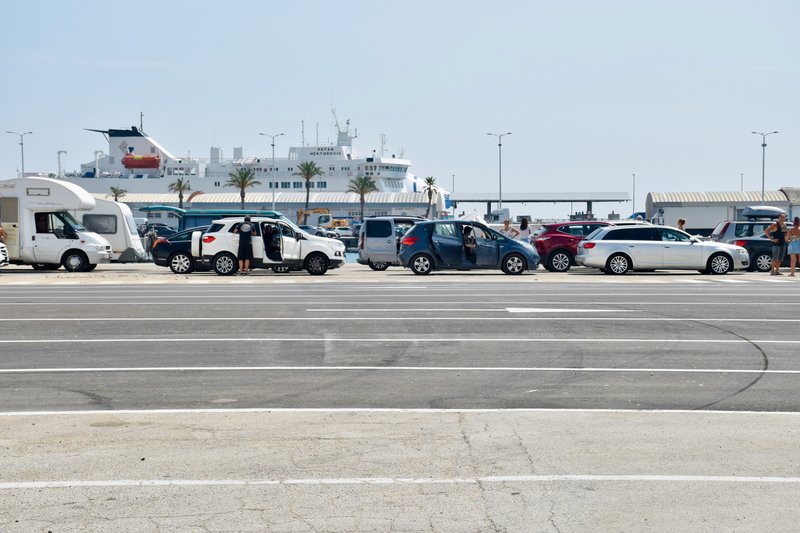
Explore ItalyAncona curves around Monte Conero's northern slopes, its crescent-shaped harbour facing east toward Croatia and Greece. The city wears its maritime identity openly: ferries depart daily from the Molo Santa Maria, fishermen mend nets along the Passetto cliffs, and the smell of brodetto — the local fish stew — drifts from trattorias in the narrow streets behind Piazza del Plebiscito. The centro storico climbs steeply from the port, its pale stone buildings stacked against the hillside like a vertical village.
Dining here follows the Adriatic calendar. Spring brings moscioli, the wild mussels harvested only from Portonovo's waters, served raw or barely steamed. Summer means grilled sardines and rosso conero wine on terraces overlooking the Arco di Traiano. The passeggiata tradition remains strong along Corso Garibaldi, where locals pause for aperitivo at bars that have occupied the same corners for generations. Beyond the port bustle, the Cardeto park offers quiet paths through Mediterranean pines, ending at viewpoints where the Adriatic stretches uninterrupted to the horizon.