Chef Hans Häge has held a Michelin star here since 2007, building a repertoire of regional cuisine refined through seasonal evolution. Evening guests choose among three set menus—fish, the signature Badwirt's, or the chef's own creation—while the dining room opens onto the Löffelbrunnen spring, its source bubbling directly beneath the historic Gasthof zum Bad. A compelling detour for those exploring the Ulm area.
Explore Ulm
Overlooking a tranquil lake from Hotel Lago, Seestern pairs one-Michelin-star contemporary cuisine with an interior of warm wood and Nordic maritime tones. Chef duo Klaus Buderath—whose previous kitchens earned stellar distinctions—and Benedikt Wittek craft precise, ingredient-driven tasting menus, including an all-vegetarian option served exclusively on Tuesdays. Summer brings a terrace with sandy beach; winter, the glow of a wood-burning stove.
Marco Langer's one-starred table in Neu-Ulm rewards adventurous palates with boldly constructed modern cuisine. His signature chicken oysters—succulent, precisely seasoned—arrive alongside pan-fried oyster mushrooms and crunchy marinated celery, a dish that exemplifies his fearless approach to flavor. Four- or six-course menus unfold in a clean, contemporary dining room where the chef circulates personally and an enthusiastic sommelier guides pairings.
Tucked into a quiet lane near Ulm Minster, Bi:Braud earns its Michelin star through restraint rather than spectacle. Chefs Alina Meissner-Bebrout and Tim Ostertag craft a five-course seasonal menu—vegetarian option available—where each plate arrives precise and uncluttered. The finale surprises: hot-and-sour radicchio paired with elderberry gel and popped amaranth. A lively, down-to-earth room with an open kitchen view completes the appeal.
Set on a working farm near Ulm, this restaurant channels the surrounding Münsterland into ambitious seasonal menus of four, six, or eight courses, with vegetables and fruit often harvested steps from the kitchen. A dedicated vegetarian tasting menu runs parallel, and the courtyard doubles as a small ecosystem: bakery, farm shop, and café. Evenings bring Hasenpfeffer, the adjacent bistro serving regional classics with contemporary touches.
The Großhammer family has cultivated this regional institution into a beacon of seasonal cooking, earning Bib Gourmand recognition for consistent quality and value. Their menu shifts with the harvest—cream of pumpkin soup in autumn, crispy farmhouse duck year-round—showcasing local ingredients with unpretentious skill. The three-level interior exudes rural warmth, while a lovely terrace extends the dining room into the countryside.
Chef-owner Hans Häge draws on generations of family recipes at this Bib Gourmand address near Ulm, offering a refreshingly unpretentious counterpoint to formal gastronomy. The menu celebrates Swabian tradition through dishes like Badwirt's Maultaschensuppe and lentils with spätzle, while Bavarian beef rump steak anchors the heartier options. A destination for those seeking regional authenticity without ceremony.
Andreas Imhof's Bib Gourmand kitchen delivers regional Swabian cooking with particular skill, drawing on seasonal ingredients and time-honoured craft. Allgäu heifer preparations draw loyal diners, while a daily lunch formula offers accessible entry to the repertoire. The bright, contemporary dining room opens onto a beer garden shaded by a stately lime tree—ideal for leisurely summer afternoons near Ulm.
Alina Meissner-Bebrout's brasserie sibling to bi:braud occupies a relaxed corner of Ulm's pedestrian quarter, where seasonal cooking takes precedence over formality. The kitchen turns out daily preparations alongside reliable signatures—buffalo tartare, crisp Wiener schnitzel—served in an unassuming dining room or, come summer, on a terrace that spills onto the cobblestones. A spirited weekday lunch destination.
A restored farmhouse near Ulm, Stubersheimer Hof channels the region's agrarian heritage through its handsome wooden floors and rustic dining room. The junior chef anchors the menu in local traditions, turning out honest regional plates that reward the drive from the city. Summer guests settle into the courtyard; those lingering longer book one of the family's guestrooms upstairs.
Frequently Asked Questions
Which neighborhoods in Ulm are best for dining and evening drinks?
+
The Fischerviertel offers the most atmospheric setting, with restaurants occupying centuries-old timber buildings along the canals. For contemporary dining and wine bars, the pedestrianized streets around Neue Straße and the Münsterplatz provide a concentrated selection. The area near the Rathaus extends into a livelier bar scene popular with the university crowd.
What regional Swabian dishes should visitors try in Ulm?
+
Maultaschen — large filled pasta parcels traditionally stuffed with meat, spinach, and breadcrumbs — remain a Swabian staple found on most traditional menus. Spätzle, the region's egg noodles, often accompany roasted meats or appear in Käsespätzle with melted cheese and fried onions. Fish from local rivers appears seasonally, and the region's wines from nearby Württemberg merit attention.
Is it worth crossing the Danube to Neu-Ulm for restaurants?
+
Yes. Though administratively Bavarian rather than Baden-Württemberg, Neu-Ulm sits immediately across the river and offers additional restaurant options. The walk across the Danube bridges takes minutes, and the Bavarian side provides a slightly different culinary perspective while remaining entirely accessible on foot from central Ulm.
Nearby Destinations
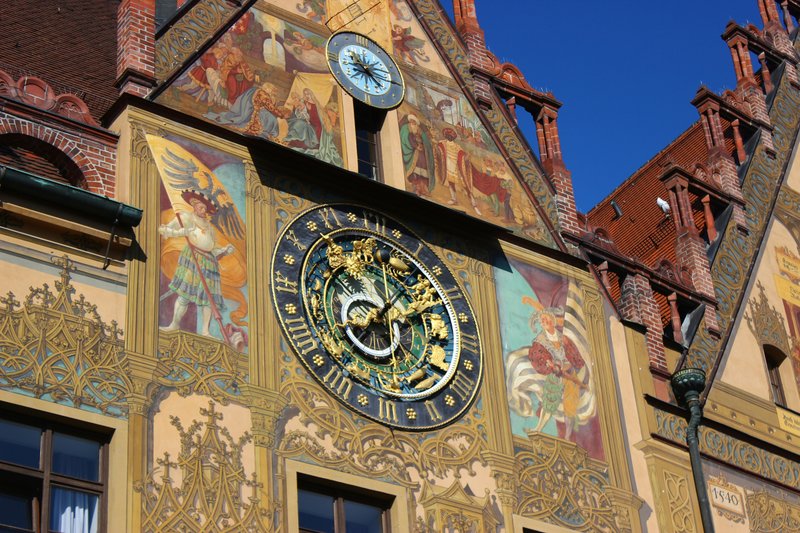
Explore GermanyUlm rises from the banks of the Danube with an unmistakable silhouette — the Gothic spire of its Münster, the tallest church tower in the world at 161.5 meters, piercing the Swabian sky. The Fischerviertel, the old fishermen's and tanners' quarter, retains its half-timbered houses leaning over narrow canals, their facades dating to the fifteenth and sixteenth centuries. This is where the Blau river meets the Danube, and where you'll find some of the city's most atmospheric restaurants tucked into medieval buildings.
The dining scene draws on Swabian traditions — Maultaschen, Spätzle, local freshwater fish — while contemporary kitchens along Neue Straße and around the Münsterplatz interpret regional ingredients with modern technique. Einstein's birthplace maintains a certain intellectual tenor; the city's university brings vitality to the bar and café culture stretching from the Rathaus toward the riverfront. Across the Danube lies Neu-Ulm in Bavaria, offering additional dining options and a different regional accent just footsteps away.