


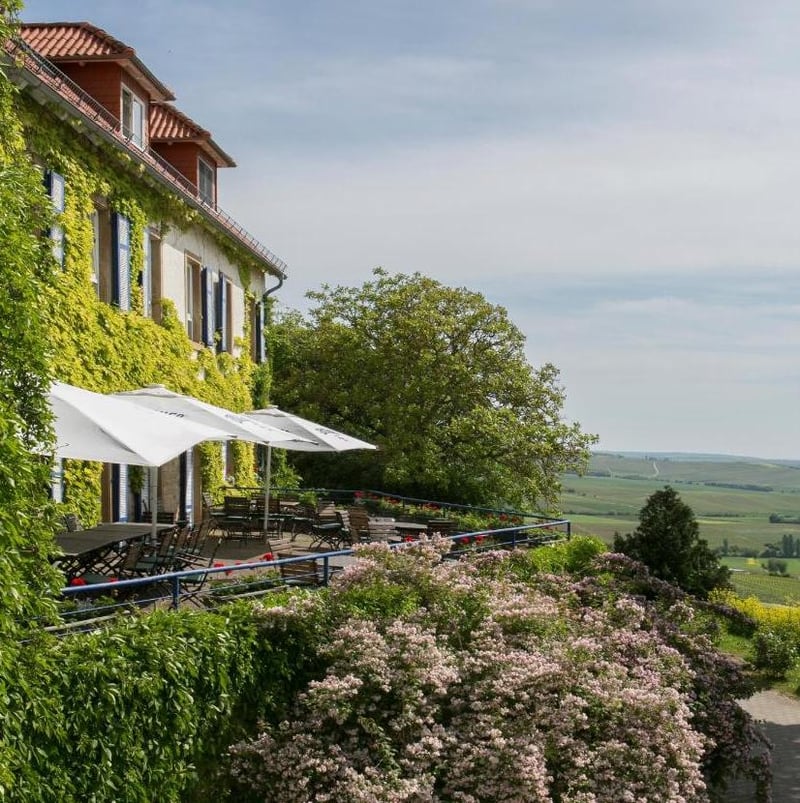
Rheinhessen's answer to Tuscan wine country, this 20-room boutique property rises from vineyard-covered hills beneath red-tiled roofs warmed by generous sunshine. The modern interiors favor clean graphic lines, while the on-site restaurant showcases regional cooking with conviction. A garden and sauna provide respite between outdoor pursuits; golfers find courses nearby, and pets travel welcome throughout the property.
Swabian Alb Travel Guide: Best Hotels, Restaurants & Experiences 
Explore Swabian Alb
Hotels (2)
Restaurants (7)
Where to Stay

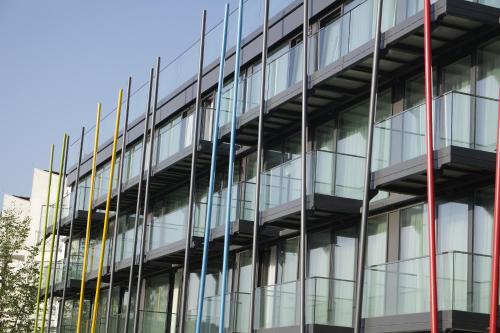
Clean-lined contemporary design defines the 24 rooms at this Schelklingen address, each equipped with cutting-edge technology for the modern traveler. A rooftop terrace draws guests upward for summer cocktails, while rotating art exhibitions animate the interiors. The on-site bistro serves international fare, complemented by a curated wine shop—a thoughtful pairing for those exploring the Swabian Alb's quieter reaches.
Where to Eat

★ Michelin
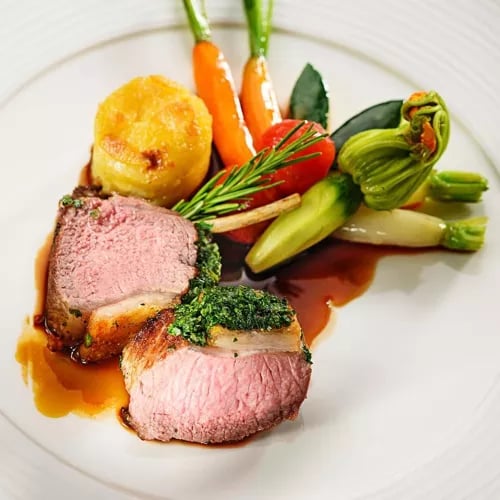
Chef Heiko Lacher orchestrates his seven-course "Mit Leib und Seele" menu from an open kitchen while wife Janice attends to the intimate dining room—a sleek space flooded with light through floor-to-ceiling windows. The cooking channels a philosophy rooted in nature yet globally curious: local grass-fed lamb arrives pink with chipotle jus and sheep's milk polenta, vintage sardine adding Mediterranean brightness. All guests begin simultaneously, heightening the sense of occasion.

★ Michelin
Chef Claudio Urru holds a Michelin star at this rustic-elegant dining room, where modern-inflected country cooking arrives through four- to seven-course menus with thoughtful wine pairings by the glass. Signature sharing plates—whole roast Kikok chicken served in two courses, Breton sea bass—reward tables of two, while the house-brewed CALVA NIGRA dark beer makes for an unconventional aperitif before the procession begins.

★ Michelin
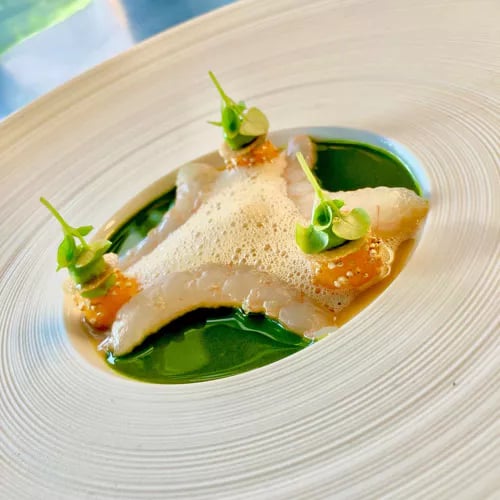
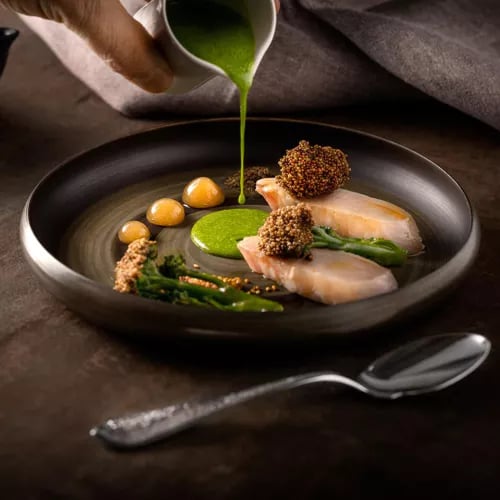
Perched within the medieval walls of Burg Staufeneck, this one-Michelin-starred restaurant commands sweeping views of Fils Valley through floor-to-ceiling windows—sunset service proves particularly theatrical. Chef duo Markus Waibel and Dominik Holl navigate global crossover terrain with precision, their poached hake arriving with pearl barley, pine nuts, and an ethereal vin jaune foam. Four to six courses unfold depending on the evening, each plate minimalist yet richly layered.

★ Michelin
For over four decades, chef-patron Gerd Windhösel has anchored this one-Michelin-star institution in the Swabian Alb, cooking every dish himself alongside wife Silke. His classical approach centers on regional treasures—pasture-raised lamb from local farms, Seckach trout, Alb saffron—prepared with deliberate simplicity. The kitchen offers set menus, including a vegetarian option, and signature 'Hirsch Classics' à la carte.

★ Michelin· Green Star ●
A converted piggery in the Swabian Alb countryside sets an unlikely stage for Simon Tress's radical localism: every ingredient except salt travels less than 25 kilometers. The one-starred vegetarian tasting menu—expandable with meat—changes four times yearly, served to just twelve guests while Tress himself works the room. Zero-waste cooking meets Baden-Württemberg wines in what the chef calls his living room.

★ Michelin· Green Star ●
Eighth-generation custodians Andreas and Anna Widmann have converted their family's former village butcher's shop into a one-starred destination for refined Swabian cooking. The seasonally rotating five- or seven-course menus draw on hyper-local producers, earning a Green Star for sustainability. Anna, a trained sommelier, guides pairings with quiet expertise. Guestrooms upstairs allow the evening to extend without haste.

Michelin Selected
Baden-Württemberg's oldest nature reserve provides the dramatic backdrop for this restaurant, housed in the former dairy of a three-century-old farmstead. The kitchen navigates between regional traditions and Asian-inflected modernity, delivering plates that reward the panoramic terrace setting. Beyond the meal, the heritage estate includes an art museum—an unexpected cultural detour amid the Swabian highlands.

Michelin Selected
Housed in a centuries-old building that once served as an arms factory, orphanage, and prison, Krietsch pairs its dramatic vaulted ceilings with seasonal regional cooking enriched by international touches. The Black Angus Sauerbraten with bread dumplings exemplifies the kitchen's approach to updated Swabian classics. Thursday through Saturday evenings bring a six-course tasting menu requiring 48-hour advance notice, while a gorgeous terrace offers dining beneath the adjacent minster's spires.

Bib Gourmand
This family-run address in Königsbronn earned its Bib Gourmand through honest, seasonal cooking rooted in Swabian tradition. The kitchen delivers regional classics—hand-folded Maultaschen, slow-braised tripe, caramelized Zwiebelrostbraten—alongside creative three- and four-course menus with vegetarian options. Summer brings the real draw: a leafy beer garden perfect for lingering over local wines as afternoon light filters through the trees.

Bib Gourmand· Green Star ●
The Tress family's organic restaurant holds a Michelin Green Star for its vegetarian and vegan focus, where complex dishes like pea and broad bean tartare deliver surprising depth of flavour. Meat appears only as a considered side dish, following nose-to-tail principles. Demeter-certified biodynamic wines accompany the regional cooking, best enjoyed beneath the chestnut tree on the terrace, with a guesthouse opposite for those who wish to linger.
Frequently Asked Questions
What traditional Swabian dishes should visitors try in the region?
+
The Swabian Alb is the homeland of Maultaschen — large pasta parcels filled with meat, spinach, and herbs, traditionally served in broth or pan-fried with onions. Spätzle, hand-scraped egg noodles, accompanies most main courses, particularly Zwiebelrostbraten (roast beef with caramelized onions). Look for Linsen mit Spätzle, a hearty lentil dish served with Saitenwürstle sausages, and finish with Ofenschlupfer, a bread pudding with apples and vanilla sauce.
Which towns in the Swabian Alb offer the best base for exploring?
+
Bad Urach provides an excellent starting point with its thermal baths, medieval market square, and proximity to the Urach waterfall. Blaubeuren attracts visitors to the Blautopf spring and its Benedictine monastery complex. For a quieter base, Münsingen sits central to the former military training grounds now converted into a biosphere reserve, while Reutlingen at the plateau's edge offers urban amenities with direct access to the escarpment trails.
When is the ideal season to visit the Swabian Alb?
+
Late spring brings orchards into bloom across the plateau's northern slopes, with cherry and apple blossoms covering the hillsides around Owen and Bissingen. Autumn offers forest colors and the Schäferlauf festivals in towns like Markgröningen, celebrating the region's shepherding heritage. Winter transforms the higher elevations around Römerstein and Laichingen into cross-country skiing terrain, while the Christmas markets in Bad Urach and Tübingen draw visitors to the region's edges.
Nearby Destinations
Explore Germany

Swabian Alb
The Swabian Alb rises south of Stuttgart as a limestone plateau carved by ancient seas, its escarpment offering commanding views across Baden-Württemberg. This UNESCO Global Geopark stretches across towns like Bad Urach, known for its thermal springs and half-timbered Altstadt, and Blaubeuren, where the Blautopf spring glows an impossible blue. The region's accommodations range from converted monasteries to family-run manor houses, many perched on hilltops once fortified by Hohenstaufen rulers.
Dining here follows the rhythms of Swabian tradition — Maultaschen stuffed with spinach and meat, Spätzle scraped fresh from the board, and Zwiebelrostbraten served in wood-paneled Gasthöfe that have fed travelers for generations. The plateau's juniper heaths and beech forests supply game and wild herbs to kitchens that balance rusticity with refinement. In towns like Münsingen and Gomadingen, you eat where farmers and foresters still gather, the menus changing with what the land provides.