


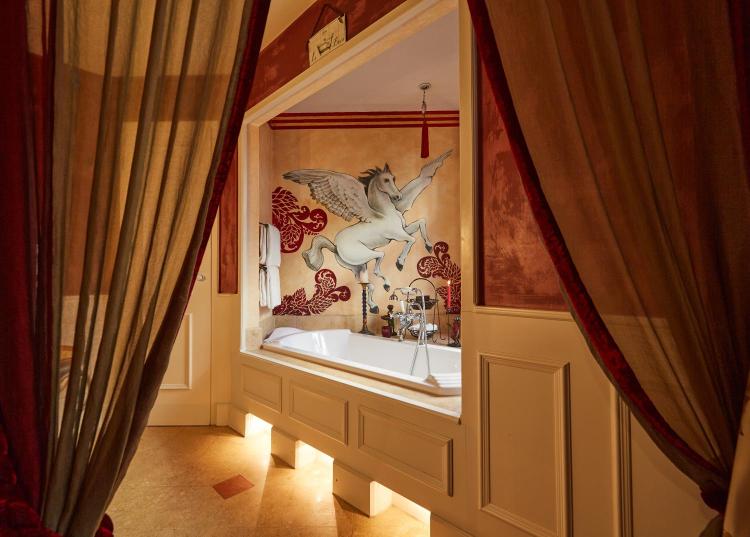
Seventeen rooms, seventeen distinct universes: copper bathtubs share space with retro waterbeds, Philippe Starck showers adjoin wooden sinks, and the Media Suite pairs inflatable metallic furniture with an Xbox beside the fireplace. This boutique property in Stuttgart's medieval Bohnenviertel draws design-minded couples and solo travelers who appreciate eccentricity anchored by genuine comfort—and a one-Michelin-star restaurant downstairs serving inventive modern cuisine.
Stuttgart Travel Guide: Best Hotels, Restaurants & Experiences 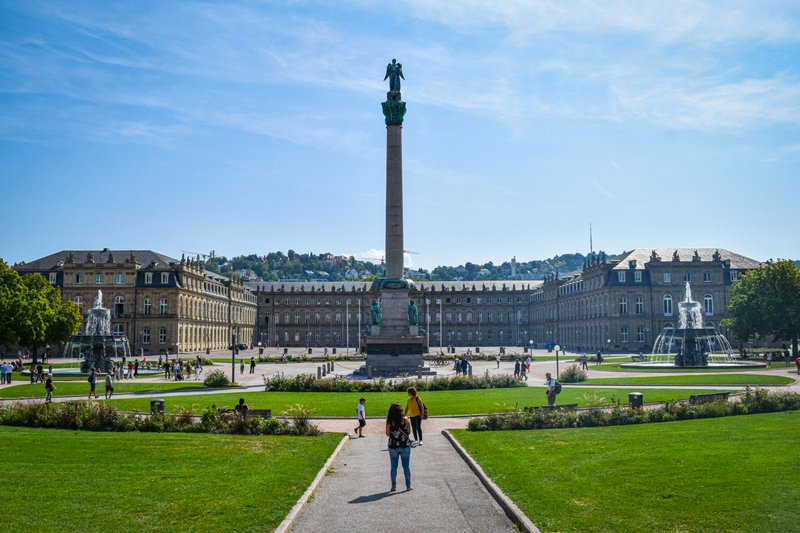
Explore Stuttgart
Hotels (4)
Restaurants (8)
Where to Stay

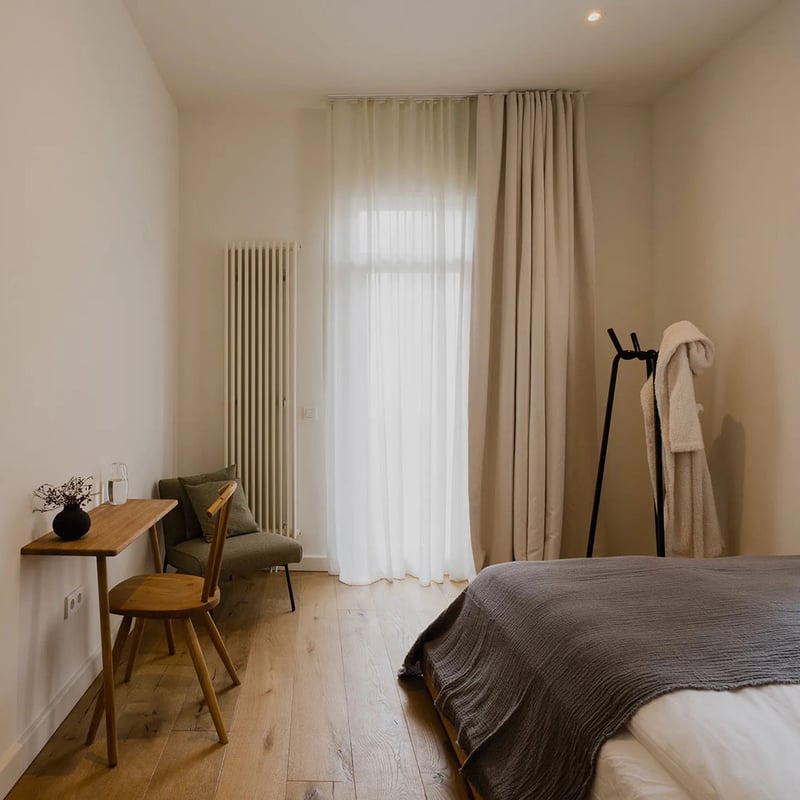
A 19th-century townhouse in Stuttgart's Heusteigviertel district, Das Edith holds just five rooms decorated with vintage furniture and art gathered over years by founder Claudia Edith Otterbeck, who named the property for her grandmother. The surrounding streets brim with independent cafés, galleries, and artisan workshops. Pets are welcome, and mornings begin with fresh-baked bread at the communal table—an address suited to travelers seeking character over convention.

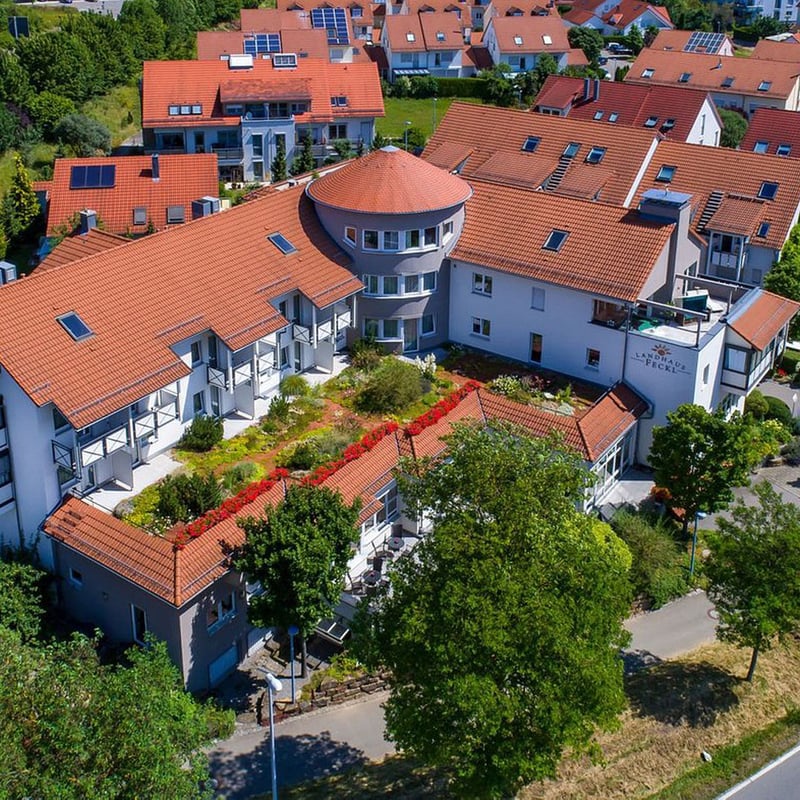
The Feckl family operates this 49-room property in Ehningen with evident personal investment, maintaining country house interiors that favor warmth over corporate polish. Select rooms open onto private balconies or a shared roof terrace—modest perches for morning coffee. Golfers benefit from nearby courses, while the pet-friendly policy accommodates four-legged companions. A practical base for exploring the Stuttgart region without metropolitan rates.

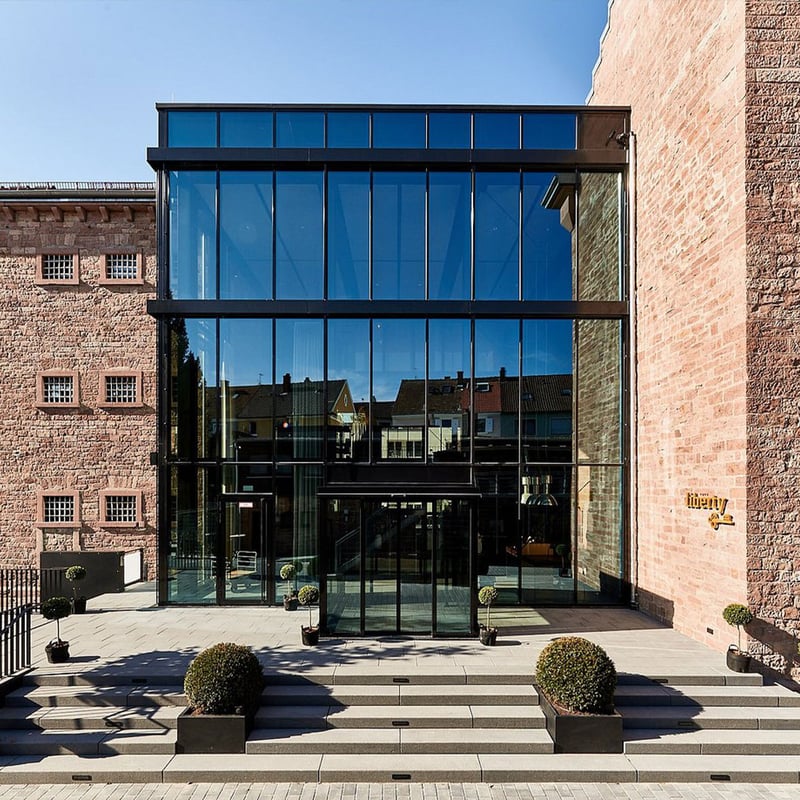
A former prison near the French border, Hotel Liberty wears its institutional past with wry confidence. Vaulted ceilings and original cell locks remain intact within rooms carved from merged detention spaces, while public areas deploy massive windows, reclaimed materials, and bold lighting to striking effect. The nightly bar draws a convivial crowd, every detail engineered to spark conversation. Gardens and pet-friendly policies complete the picture.

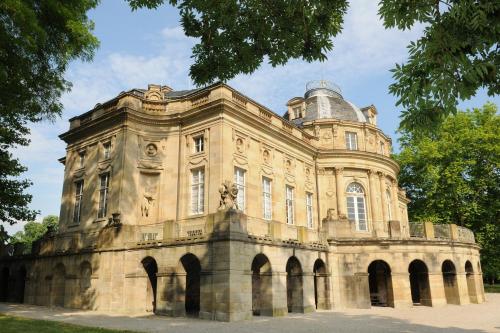
A lakeside retreat on the grounds of a historic estate near Stuttgart, Schlosshotel Monrepos pairs aristocratic surroundings with modern comforts across 77 rooms. Mornings begin in the glass-walled winter garden or on the terrace facing the water. An on-site golf course and riding school appeal to active guests, while the sauna and landscaped gardens offer quieter diversions. Dogs welcome.
Where to Eat

★★ Michelin
Hohenheim Castle's historic squire's lodge provides the setting for Stefan Gschwendtner's two-Michelin-starred cooking, a quiet retreat from Stuttgart's urban pulse. His seven-course menus balance boldness with precision—lake trout dressed in matjes style with wild garlic, veal sweetbreads paired with Filderkraut cabbage and apple. Alcohol-free pairings demonstrate equal thoughtfulness, while summer opens the terrace for dining amid castle grounds.

★ Michelin
Housed in Stuttgart's original railway station near the Schlossgarten, 5 pairs industrial heritage with design-forward elegance—think individually crafted chairs at bare wooden tables, a stylish ground-floor bar giving way to the dining room above. Chef Alexander Dinter's one-Michelin-starred cooking follows seasonal rhythms with inventive flair, served Wednesday through Sunday evenings as a gourmet set menu accompanied by expert sommelier guidance.

★ Michelin
Inside Waiblingen's second-oldest building—a 1647 former pharmacy—chef-patron Bernd Bachofer delivers one-starred cosmopolitan cooking against chic, contemporary interiors. Counter seats face a glass-walled kitchen where signature dishes emerge: miso-marinated black cod finished over flame, aromatic caramelised suckling pig belly. Tasting menus stretch to nine courses with vegetarian options, accompanied by astute wine guidance. A compelling detour from Stuttgart for serious gastronomes.

★ Michelin
Beneath a barrel-vaulted ceiling, chef-owner Andreas Hettinger orchestrates a seasonal surprise menu from his open kitchen, weaving classic technique with Mediterranean and creative impulses—spaghettini crowned with Oscietra caviar, cod paired with chamomile. The intimate scale, just a handful of tables, allows sommelier Andreas Lutz to guide each guest through astute wine pairings with genuine attentiveness. One Michelin star.

★ Michelin
Just eight seats fill the dining room of this one-Michelin-starred restaurant, housed within a striking half-timbered building in Schorndorf's old town. Chef-patron Nico Burkhardt applies meticulous technique to premium ingredients, crafting intricate modern compositions across four to seven courses. The intimate scale—paired with attentive, unhurried service—creates an experience closer to a private dinner than a conventional restaurant meal.

★ Michelin
Baden-Württemberg's ethnology museum provides an unexpectedly refined setting for this Michelin-starred table, where Mediterranean seafood takes center stage. The kitchen delivers precise renditions of bouillabaisse with sauce rouille and octopus paired with chorizo and white beans. A five-course tasting menu charts the modern approach, while vegetarians can arrange a dedicated sequence in advance.

★ Michelin
Tucked away in a residential quarter of southern Stuttgart, chef-patron Michael Huppert's eponymous restaurant rewards those who seek it out. The kitchen delivers modern country cooking through five- or six-course set menus, each dish built on regional produce and marked by precise flavor contrasts. Service is polished without pretense, and a leafy side terrace adds warmth to summer evenings.

★ Michelin
A historic inn in the wine village of Rosswag provides the unlikely setting for Steffen Ruggaber's one-Michelin-starred cooking. His set menus demonstrate exacting craftsmanship—signature beef tartare arrives with powdered smoked eel ice cream, beetroot gel, and cauliflower prepared three ways. The first Friday of each month brings a special Swabian roast beef menu. An exclusively German wine list complements the precise, flavor-rich compositions.

★ Michelin
Brothers Benjamin and Christian Maerz helm this one-star dining room within Hotel Rose, where warm wood panelling and clean contemporary lines create an intimate yet polished setting. Their 'Heimweh/Fernweh' tasting menu traces Swabian roots through a global lens—sturgeon paired with nori and unagi, peas and morels lifted by ajoblanco. The lounge terrace extends the evening; midweek specials offer a compelling entry point.

★ Michelin
A family enterprise spanning five generations, Oettinger's Restaurant holds one Michelin star under chef Kay Lurz, who arrived in 2023 to craft his four- to eight-course 'Signatur' tasting menu. Modern creative influences now share the table with longstanding house classics, all served in a country house setting where brothers Michael and Martin Oettinger maintain warm, knowledgeable hospitality. Overnight guests find comfortable rooms at the adjacent Hotel Hirsch.
Frequently Asked Questions
Which Stuttgart neighborhoods offer the best access to cultural attractions?
+
The city center between Schlossplatz and Charlottenplatz puts the Staatsgalerie, opera house, and Old Castle within walking distance. For architecture enthusiasts, staying near Killesberg provides easy access to the Weissenhof Estate, a 1927 Bauhaus housing exhibition designed by Le Corbusier and Mies van der Rohe.
What is the Bohnenviertel and why should visitors explore it?
+
The Bohnenviertel, or Bean Quarter, is Stuttgart's oldest preserved neighborhood, named for the beans once grown by impoverished residents. Today its narrow streets between Charlottenplatz and the city wall remnants hold traditional Weinstuben, antique dealers, and artisan workshops — a striking contrast to the modernist city center just blocks away.
When do Stuttgart's local wine taverns and festivals take place?
+
Stuttgart's Weindorf wine festival transforms the city center each late August and early September, with temporary wooden huts serving local Trollinger, Lemberger, and Riesling wines. Year-round, family-run Besenwirtschaften — seasonal taverns on vineyard estates — open when a broom hangs above the door, typically spring and autumn.
Nearby Destinations
Explore Germany



Stuttgart
Stuttgart sprawls across a valley surrounded by vineyards and forested hills, a geography that shapes both its character and its hospitality. The city center around Königstrasse and the Schlossplatz offers proximity to the Staatsgalerie and opera house, while the elevated neighborhoods of Killesberg and Weissenhof — home to the famous Bauhaus estate — attract visitors seeking quieter surroundings. Bad Cannstatt, the oldest district, retains its spa-town atmosphere along the Neckar riverbanks.
The dining scene reflects Swabian traditions alongside international influences. Maultaschen, Spätzle, and local Trollinger wines remain staples in traditional Weinstuben, many clustered around the Bohnenviertel quarter with its half-timbered buildings and antique shops. Contemporary restaurants have emerged in converted industrial spaces near the Wagenhallen cultural center, while the Markthalle on Dorotheenstrasse — a stunning Art Nouveau food hall dating to 1914 — houses specialty vendors and wine bars beneath its ornate ironwork ceiling.