


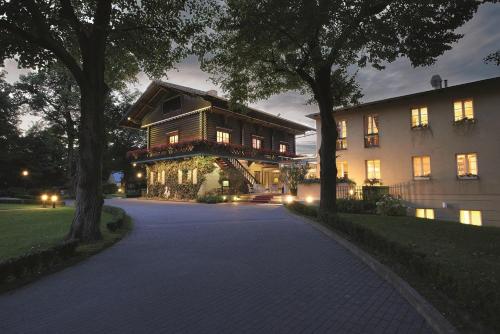
A royal hunting lodge from 1847 anchors this 41-room retreat deep within Potsdam's Wildpark, where guided tours through the adjacent deer reserve set the tone for an immersive woodland stay. The spa complex features a Turkish hammam, sauna, and indoor pool, while Restaurant 1847 delivers seasonal cuisine in refined surroundings. Pet-friendly policies and landscaped gardens appeal to travelers seeking seclusion without sacrificing comfort.
Potsdam Travel Guide: Best Hotels, Restaurants & Experiences 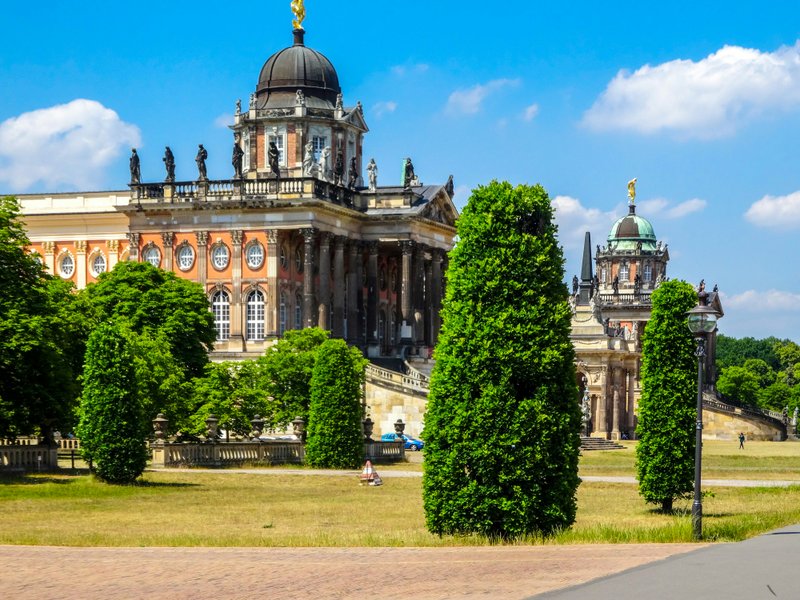
Explore Potsdam
Hotels (1)
Restaurants (2)
Where to Stay
Where to Eat

★ Michelin
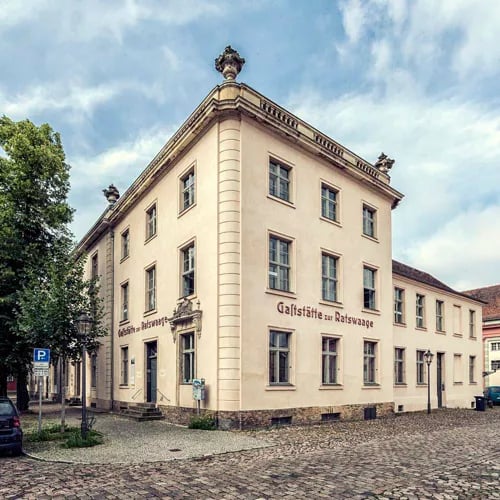
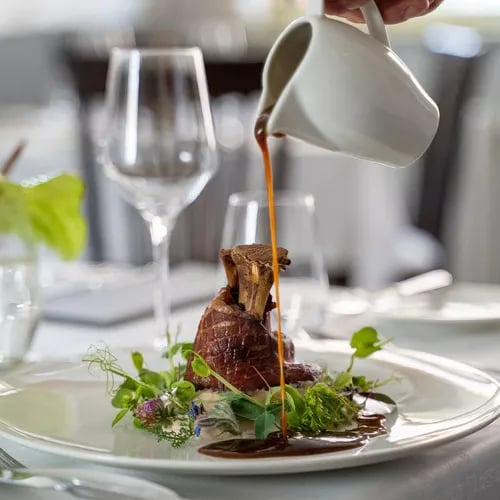
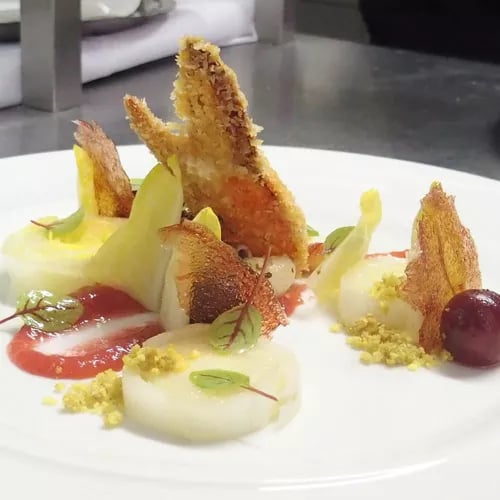
Inside an 18th-century Ratswaage building on Neuer Markt, silvery walls and 1950s chandeliers create a striking minimalist backdrop for chef Nico Werner's one-Michelin-starred cooking. His five-course menus showcase what the kitchen calls 'new Prussian cuisine'—classic French technique applied to ingredients sourced exclusively from Brandenburg producers. Summer visitors should reserve early for the intimate courtyard, where tables are coveted.

Michelin Selected
Facing Brandenburg's Gothic town hall, this former inspector's residence once monitored market traders from its commanding position on Altstädtischer Markt. Original wooden beams give the dining room a warm, weathered character, while a sheltered courtyard garden opens for summer service. The kitchen presents two seasonal set menus—one built around fish, the other meat—delivered with attentive, unhurried hospitality. Michelin Plate.

Michelin Selected
A 17th-century half-timbered house in Potsdam's Dutch Quarter provides the atmospheric setting for this French-inspired dining room, where three intimate levels reveal ambitious classic cuisine paired with thoughtfully selected wines. The kitchen offers both set menus and à la carte selections, while small pavement tables allow for leisurely aperitifs when weather permits—a genuine slice of Gallic refinement on German soil.
Frequently Asked Questions
How far is Potsdam from central Berlin?
+
The S-Bahn connects Potsdam Hauptbahnhof to Berlin Friedrichstraße in roughly 40 minutes. Regional trains reach Berlin Hauptbahnhof even faster, making day trips seamless in either direction.
Which neighborhoods are best for walking and exploring?
+
The Dutch Quarter offers the most concentrated strolling, with its grid of 134 historic brick houses, galleries, and restaurants. From there, the Baroque old town around Brandenburger Straße leads naturally toward Sanssouci's gardens.
What is the best season to visit Sanssouci Park?
+
Late spring brings the terraced gardens into bloom, with wisteria and roses framing the palace facades. Autumn offers golden foliage across the 300-hectare grounds with considerably fewer visitors than summer months.
Nearby Destinations
Explore Germany

Potsdam
The Prussian royal residence sprawls across parkland and waterways just southwest of Berlin, its UNESCO-listed palaces and gardens drawing visitors year-round. The Dutch Quarter, with its red-brick gabled houses built for craftsmen in the 1730s, now hosts independent boutiques and cafés along Mittelstraße. Sanssouci Park stretches westward from the famous terraced vineyard palace, past Chinese teahouses and Roman baths, to the sprawling Neues Palais. Hotels cluster around the Alter Markt and Brandenburger Straße, the pedestrianized spine of the restored Baroque city center.
Dining reflects the city's artistic population and proximity to Brandenburg's lakes and farms. Restaurants along the Havel riverfront serve pike-perch and eel from local waters, while the Holländisches Viertel offers everything from traditional German fare to contemporary European kitchens. The café culture runs strong—afternoon cake at a konditorei remains a local ritual, particularly on the terraces overlooking Heiliger See or in the courtyards off Gutenbergstraße.