


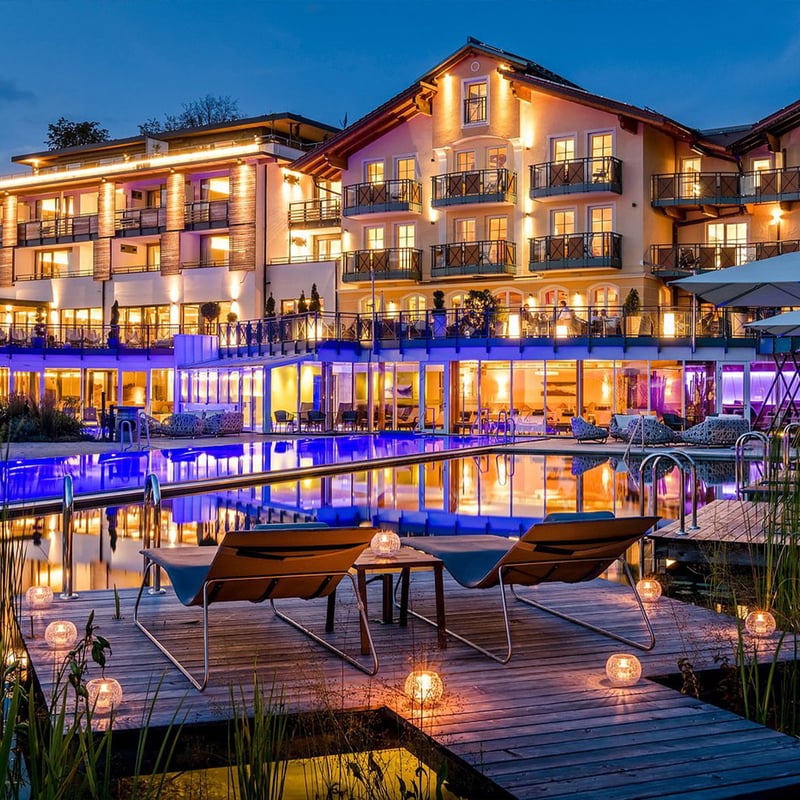
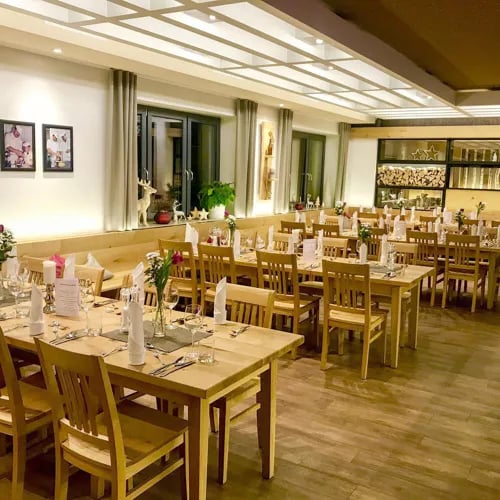
Three generations of the Stemp family have transformed their Bavarian farmland into a sprawling wellness retreat where indoor and outdoor pools, multiple saunas, and a weekly program of activities keep guests engaged. The 55 rooms pair natural wood and textiles with floor-to-ceiling windows overlooking the Bavarian forest, creating a contemporary alpine refuge suited to travelers seeking active relaxation with genuine regional character.
Passau Travel Guide: Best Hotels, Restaurants & Experiences 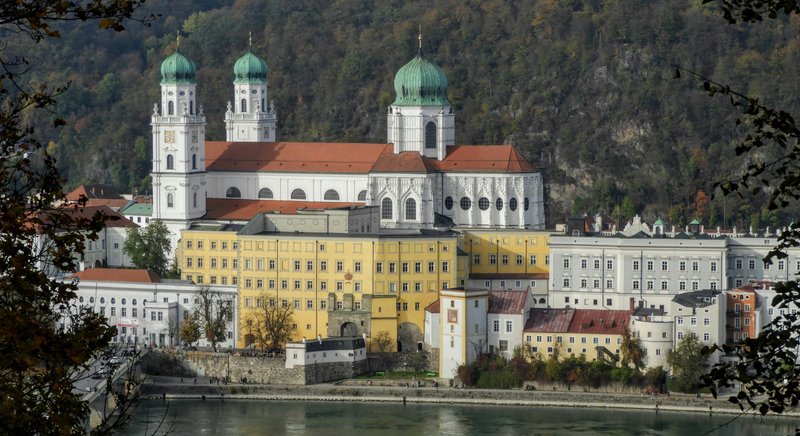
Explore Passau
Hotels (1)
Restaurants (4)
Where to Stay
Where to Eat

★ Michelin
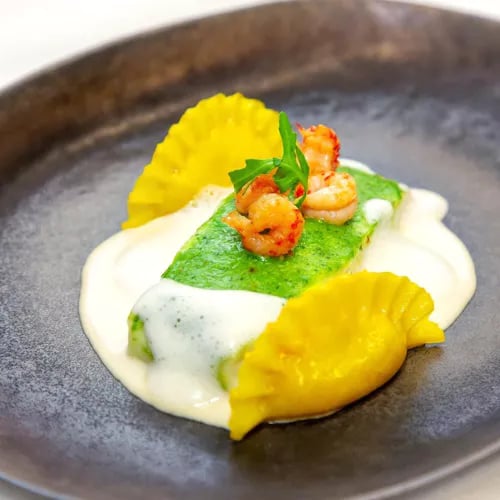
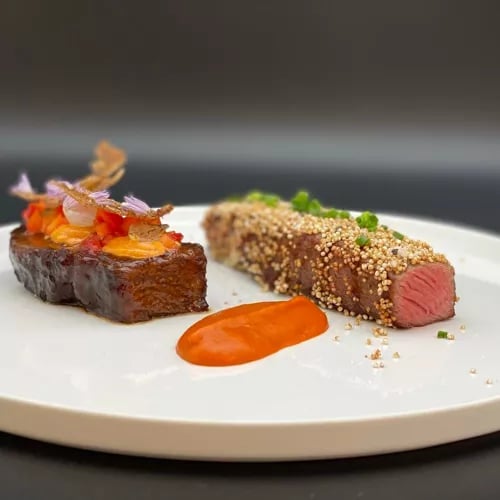
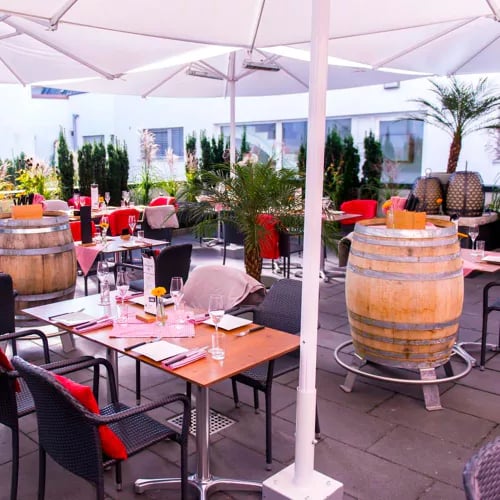
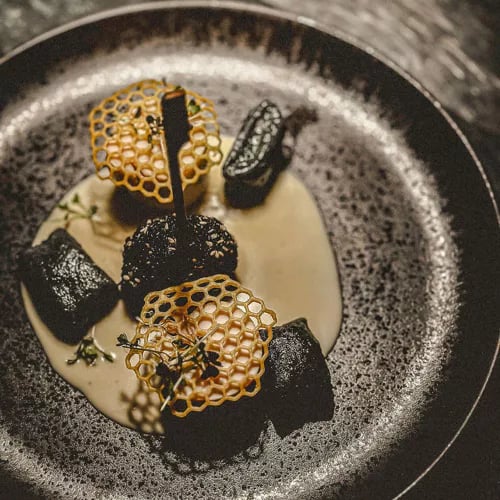
A horseshoe-shaped chef's table wraps around the open kitchen at this one-Michelin-star address, placing diners at the center of the culinary theater. Chef Marcel von Winckelmann, honed in elite kitchens, orchestrates five- and seven-course seasonal menus showcasing Norway lobster, pumpkin, and sea buckthorn. The house-made non-alcoholic pairing rivals the wine selection; summer evenings unfold on a sheltered terrace.

★ Michelin
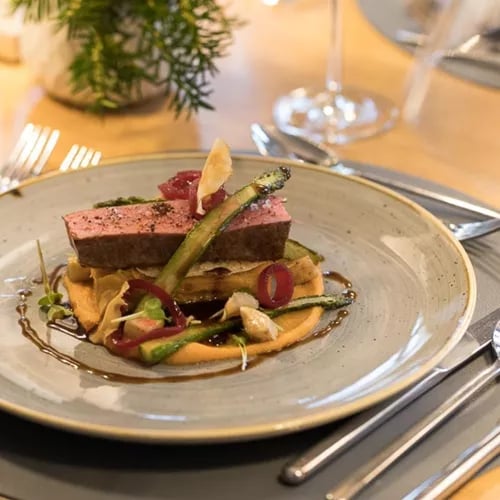
Since 1612, this Bavarian inn has passed through generations to reach chef Alexander Huber, who now holds a Michelin star for cooking that bridges rustic tradition and contemporary craft. Veal lights arrive with curd cheese bread dumplings; ox and pork neck ravioli come dressed in brown butter and bacon stock. The dining room remains cosy, service genuinely warm, and the wine-by-glass selection pairs thoughtfully with each course—all at remarkable value.

Bib Gourmand
Chef Hans Feilmeier channels deep affection for his Bavarian homeland into seasonal, regionally rooted cooking at this cosy countryside address near Passau. The Bib Gourmand-recognized kitchen offers flexible dining through set menus or à la carte selections, while attentive staff provide thoughtful wine pairings throughout the meal. Before leaving, the house-made jams deserve attention—a signature worth taking home.

Bib Gourmand
A Bib Gourmand recipient in the Bavarian countryside near Passau, this family-run Landgasthof under Ingrid and Markus Buchner delivers fresh regional cooking threaded with Mediterranean accents. Each meal opens with "Müllers Küchengruß," a daily-changing amuse-bouche that signals the kitchen's creative pulse. The rustic dining rooms feel genuinely welcoming, though the verdant terrace with its traditional Salettl gazebo proves irresistible in warmer months.

Bib Gourmand
Housed in a former Bavarian monastery, das Asam serves modern seasonal cuisine in the Modlersäle, once the monks' refectory. Soaring ceilings adorned with original mouldings and frescoes contrast with clean contemporary furnishings. The Zwiebelrostbraten — tender beef beneath caramelized onions and rich gravy — anchors a Bib Gourmand menu. Summer dining shifts to the cloister garden terrace, framed by centuries-old arcades.

Michelin Selected
Decorative wine racks and high tables set a convivial tone at this Michelin Plate address on Theresienstraße. The kitchen delivers modern cuisine through house specialities and steaks, refreshed weekly via a rotating Wochenkarte. Guests may equally settle for tapas alongside a well-chosen glass, with bottles available to purchase. Two seatings structure the evening—early or late—and attentive service maintains an easygoing wine-bar spirit throughout.

Michelin Selected
Vaulted ceilings and Renaissance frescoes set an unexpectedly dramatic stage for Andrea von Csiszer's Asian-European sharing plates at this converted chapel near the confluence of the Danube and Inn. The kitchen delivers clever small dishes—Peking pork braised twenty-four hours sous vide with soy and honey, cauliflower wings with sweet chilli—in a relaxed, contemporary atmosphere that feels refreshingly unbuttoned for such a striking architectural setting.

Michelin Selected
A Bavarian inn since 1870, Freilinger Wirt pairs its heritage with a refreshingly modern interior where clean lines meet warm timber. The chef, a master butcher who honed his craft at distinguished kitchens, brings precision to seasonal cooking that rewards the drive from Passau. The expansive terrace draws locals and visitors alike when weather permits.
Frequently Asked Questions
What makes Passau's location at three rivers significant for visitors?
+
The confluence of the Danube, Inn, and Ilz creates a dramatic pointed peninsula where the Altstadt sits. Each river carries a distinct colour — the Inn runs green from Alpine glaciers, the Ilz flows dark from Bavarian forest peat, and the Danube arrives blue-grey from the west. This meeting point, visible from the Dreiflüsseeck viewpoint, shapes everything from the city's boat-tour culture to its flood-adapted architecture.
Which neighbourhoods should visitors explore in Passau?
+
The Altstadt contains most of interest, with the Domplatz and Residenzplatz forming the ecclesiastical heart. The Innstadt across the river offers a quieter atmosphere with the pilgrimage church Mariahilf accessible by covered stairway. For commanding views, take the path or shuttle to Veste Oberhaus, a 13th-century fortress that now houses a regional history museum and a beer garden overlooking the entire city.
When is the best time to visit Passau?
+
Late spring through early autumn offers the most pleasant conditions, with café terraces lining the waterfront and river cruise ships filling the quays. The cathedral's organ — one of Europe's largest — gives daily concerts from May to October. Christmas markets transform the Domplatz in December, though accommodation books quickly. River levels occasionally rise in early summer, sometimes flooding lower streets but rarely disrupting visitor access to main attractions.
Nearby Destinations
Explore Germany


Passau
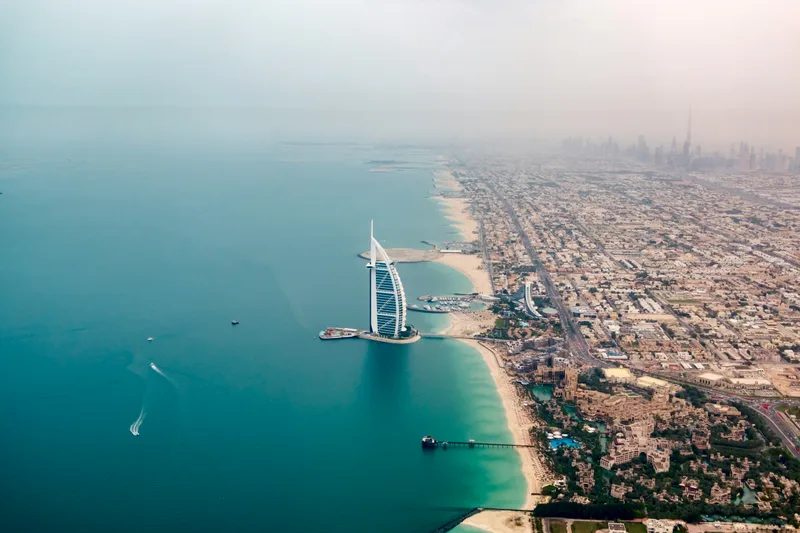
Three rivers converge at Passau's pointed peninsula, where the dark waters of the Ilz meet the green Inn and the blue Danube beneath the white baroque towers of St. Stephen's Cathedral. The Altstadt climbs steeply from the waterfront through narrow lanes lined with patrician houses painted in faded ochre and terracotta, their arcaded ground floors housing wood-panelled wine taverns and traditional restaurants. This is a city shaped by Italian architects after a devastating fire in 1662, giving its skyline an almost Mediterranean silhouette despite its firmly Bavarian soul.
The dining scene reflects centuries of trade along the Danube, with restaurants serving hearty portions of Schweinshaxe and freshwater fish from the surrounding rivers. Along the Innkai promenade and up through the Residenzplatz, café terraces look out toward the fortress of Veste Oberhaus perched on the opposite bank. The annual flooding that once threatened the lower town has been tamed, though high-water marks on building facades record the river's historical reach, a reminder that Passau remains, above all, a city defined by its waters.