


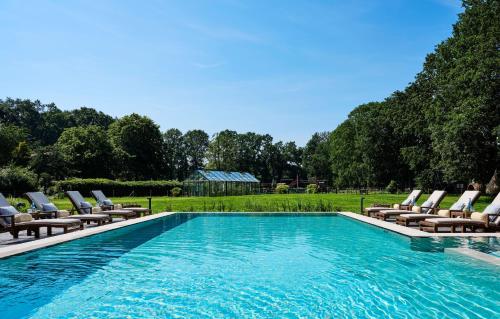
This family-run lakeside retreat spreads its wellness offering across an impressive 1,500 square meters, featuring a salt-water oasis, Turkish bath, jacuzzi, and both indoor and outdoor pools. Guests seeking heightened comfort book the spa suites in the guesthouse, while mornings bring farm-fresh eggs from the property's own hens. A restorative choice for travelers prioritizing comprehensive spa facilities in pastoral German surroundings.
East Frisia Travel Guide: Best Hotels, Restaurants & Experiences 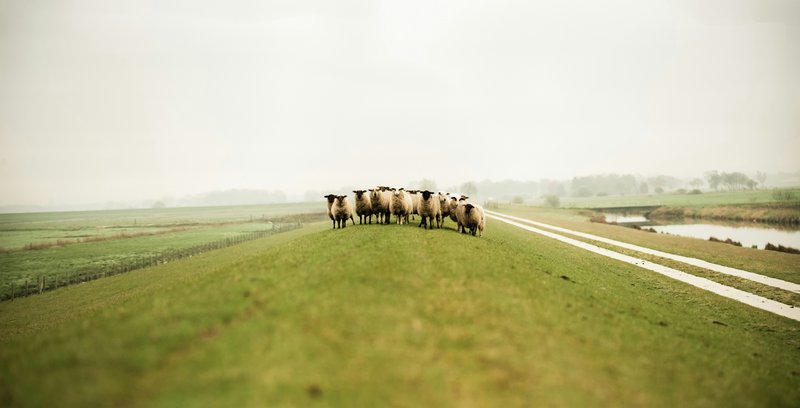
Explore East Frisia
Restaurants (4)
Where to Stay
Where to Eat

Michelin Selected
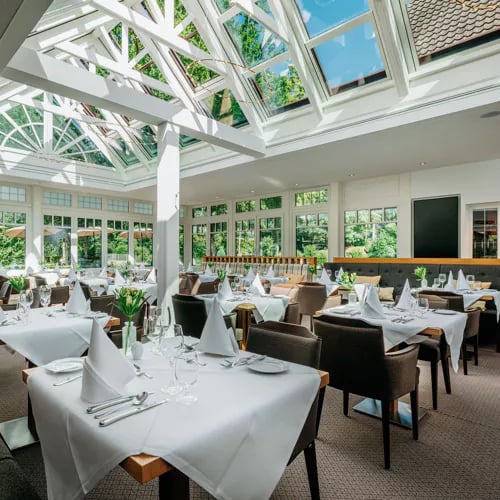
A historic hunting lodge commands nearly 25 acres of manicured parkland in Bad Zwischenahn, its dining rooms extending through an elegant conservatory into gardens where tables overlook the estate. The kitchen delivers refined German cuisine in surroundings that reward a leisurely afternoon—parkland walks before lunch, unhurried courses as daylight softens through glass walls, coffee on the terrace as shadows lengthen across the lawns.

Michelin Selected
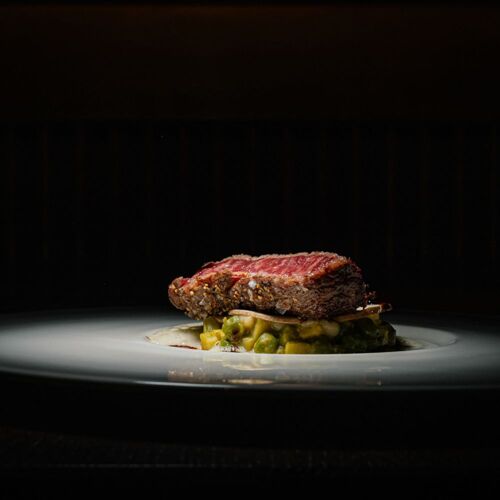
Through a glass partition, diners watch chef Kevin Gideon and his small brigade craft creative tasting menus of three, five, or seven courses in a pared-back modern space outside Oldenburg's centre. The regularly refreshed repertoire includes a vegetarian option, each dish reflecting the kitchen's ambitious, detail-driven approach. Professional yet warm service complements the intimate scale—a serious table for focused, contemporary dining.

Bib Gourmand
Steps from the dike and Nessmersieler ferry port, Gerold Janssen's Bib Gourmand kitchen channels the Frisian coast with refreshing directness. Local fishers supply the day's catch—plaice arrives crispy-baked, Helgoland crab dressed simply in cocktail form—while neighboring farmers provide the rest. The approach strips away pretension, letting impeccable ingredients speak through honest, flavor-forward plates that reward those who venture to this quiet corner of East Frisia.

Bib Gourmand· Green Star ●
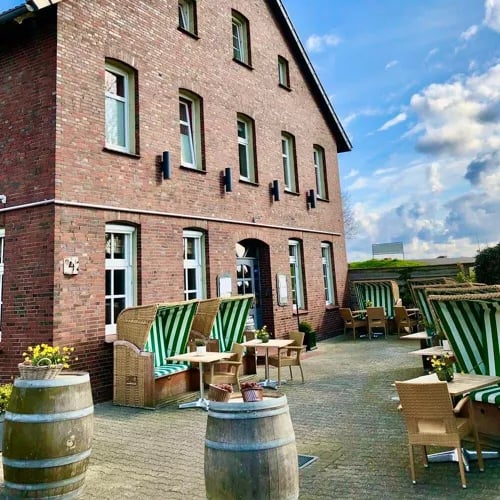
Chef-patron Timo Plenter runs this Bib Gourmand table with unwavering commitment to East Frisian terroir, earning a Michelin Green Star for sustainability. His four- to six-course menus showcase seasonal ingredients sourced from regional partners, available in vegetarian versions with an optional cheese course. The dining room balances rustic warmth with contemporary lines, while summer brings a handful of pavement tables for al fresco meals.

Michelin Selected
Six generations of the Backers family have tended this country inn since 1843, and their commitment to Slow Food principles runs deep. The kitchen works closely with local hunters and farmers, sourcing venison and Diepholz geese for dishes that shift with the seasons. Comfortable guestrooms allow visitors to extend the evening, with a four-course regional tasting menu and overnight package offering a complete immersion.

Michelin Selected
Overlooking the Leda River and Leer's museum harbour, this traditional inn draws character from its maritime setting and regional East Frisian larder. Chef Mario E. Brüggemann, who trained in this very kitchen, champions sustainability through dishes like young herring tartare with plum and tomato—bright, uncomplicated, built on impeccable produce. The summer terrace, with its harbour views, rewards an unhurried riverside lunch.
Frequently Asked Questions
What are the East Frisian Islands and how do you reach them?
+
Seven inhabited barrier islands — Borkum, Juist, Norderney, Baltrum, Langeoog, Spiekeroog, and Wangerooge — form a chain along the coast. Ferries depart from mainland ports including Norddeich, Bensersiel, and Emden, with crossing times ranging from twenty minutes to two hours depending on the destination and tidal conditions.
When is the best season to visit East Frisia?
+
Summer months from June through August offer the warmest weather for beach visits and mudflat walks, though the region attracts visitors year-round. Autumn brings dramatic North Sea storms and quieter island atmospheres, while winter sees traditional Frisian tea culture at its most essential.
What is the traditional East Frisian tea ceremony?
+
Frisian tea culture involves a specific ritual: rock sugar (Kluntje) placed in the cup, strong black tea poured over it, and a spoonful of cream added without stirring. The resulting layers create three distinct taste experiences. This tradition dates to the 18th century, and East Frisians remain among Europe's highest per-capita tea consumers.
Nearby Destinations
Explore Germany



East Frisia
East Frisia occupies Germany's northwestern corner, a windswept territory of dykes, marshland, and seven inhabited barrier islands stretching along the North Sea coast. The landscape here is resolutely horizontal — wide skies, endless heathland, and tidal flats that UNESCO has designated a World Heritage Site. Towns like Emden, Aurich, and Leer anchor the mainland, each with distinct mercantile histories reflected in Dutch-influenced brick architecture and harbour quarters.
The accommodation scene reflects this character of understatement. Properties range from converted manor houses in the agricultural hinterland to contemporary wellness retreats on islands like Norderney and Juist, where car-free policies maintain an atmosphere of deliberate quietude. The culinary tradition draws heavily from the sea — North Sea crab, smoked eel, and the ceremonial Frisian tea service with rock sugar and cream remain central to local hospitality.