A castle rising from Alpine meadows, Schloss Elmau pairs its imposing Bavarian architecture with four distinct spas—including an outdoor Nature Spa beside a mountain stream and an adults-only Badehaus with rooftop pool. Cultural programming fills its concert hall and libraries with classical performances, while chef Christoph Rainer's two-starred IKIGAI delivers refined Japanese cuisine. Families find genuine welcome here, children included at concerts and in dedicated spa spaces.
Where to Stay
An hour from Munich, beneath the Bavarian Alps' dramatic peaks, a British aristocrat's English country manor has evolved into a serious four-season wellness destination. Guests choose between the original house—bold mod furnishings, daring color combinations—or the wood-and-glass annex channeling modern Scandinavian restraint. Five pools, six saunas, and treatments for expecting parents anchor the spa, while all-inclusive dining spans gourmet breakfast through five-course dinners.
Alpine panoramas define every moment at this 54-room retreat near Schwangau, from the outdoor pool to the spa's panoramic deck with its multiple saunas, jacuzzi, and steam rooms. Themed suites bring whimsical character to comfortable accommodations, while Restaurant Louis II delivers modern seasonal cooking. A walking trail leads to the hotel's private mountain lodge—an excursion that rewards with even grander vistas.
Three heritage hotels and two contemporary wings form an architectural dialogue at the foot of Neuschwanstein Castle, with rooms offering direct views of either the famous fortress or neighboring Hohenschwangau. The extensive spa features an indoor pool and sauna, while dining spans traditional Bavarian fare at Schloss Bräustüberl's beer garden and refined farm-to-table Alpine cooking at Lisl. Pet-friendly throughout.
A cable car ascent delivers guests to this 33-room mountain retreat perched above Garmisch-Partenkirchen, where panoramic Alpine views frame every experience. Contemporary rooms pair traditional pine woodwork with modern comforts, while Weingart's restaurant serves refined four-course Bavarian menus. The wellness facilities extend beyond typical spa offerings to include comprehensive healthcare screenings alongside saunas, Turkish bath, and an outdoor pool set within landscaped gardens.
This 20-room alpine retreat at the foot of the Ammergau Alps wraps guests in traditional Bavarian comfort—wooden beamed ceilings, tactile fabrics, mountain views from every window. The on-site Ammergau Maxbräu brewery pours house-crafted beers in a restaurant that spills onto a shaded garden facing the peaks. After hiking or skiing, a spa with Finnish sauna, steam room, and traditional hay bath restores weary limbs.
A century-old family-run lodge in Garmisch-Partenkirchen, Staudacherhof offers 49 rooms across three distinct aesthetics—delicate tradition, modern-rustic knotted wood, and clean modernism. The wellness program spans Ayurveda treatments and a full spa, while the restaurant pairs classic schnitzel with inventive 'Bayurvedic' cuisine. Hikers, skiers, and cyclists find equipment rental on-site; pets travel welcome.
Crafted entirely from wood, Werdenfelserei channels Bavarian mountain tradition through a refined contemporary lens. The property edges the Michael Ende Kurpark, its 59 rooms including suites with private spas or open fireplaces. A year-round outdoor pool anchors the wellness offering, complemented by saunas and a chill-out lounge tucked beneath the steeply pitched roof. The neun10 bar draws both guests and locals.
Panoramic views of the Wetterstein and Ester mountains define this 104-room retreat near Garmisch-Partenkirchen. Contemporary guestrooms balance Alpine warmth with modern refinement, while the spa complex delivers Turkish bath, sauna, and jacuzzi facilities. Twin pools—indoor and outdoor—overlook the peaks, and tennis courts and bicycles encourage exploration of the surrounding landscape. A pet-friendly address with late breakfast service for unhurried mornings.
Where to Eat
Within the alpine grandeur of Schloss Elmau, chef Christoph Rainer holds two Michelin stars for cuisine that channels his extensive travels through Asia. Japanese kokeshi dolls and refined tableware set a contemplative mood, while dishes like Tristan rock lobster from the binchotan grill demonstrate his commitment to pristine ingredients. Sommelier Marie-Helen Krebs guides diners through an impressive sake selection with understated expertise.
Chef Andreas Hillejan earns a Michelin star for his refined reinterpretation of Bavarian pub classics at this informal dining room in Mittenwald, beneath the Karwendel peaks. Two tasting menus—'Wirtshaus mal anders' (available vegetarian) and 'Heimat'—showcase his approach, while à la carte options like fish soup and Wiener schnitzel satisfy traditionalists. The painted facades of the violin-making town wait just steps away.
The Bernhard family brings Graubünden heritage to this rustic Oberaudorf address, where Swiss classics share the menu with Bavarian seasonal cooking. Züri Gschnätzlets—veal strips in cognac-laced mushroom cream over hand-pressed rösti—anchors a repertoire that draws loyal regulars. Lunch specials change daily; summer opens up terrace seating on the central Marienplatz. Attentive family service throughout.
Behind a painted façade that has weathered four centuries, the Husar delivers country cooking rooted in Bavarian tradition. The Merget family has run this dining room since 1986, serving classic dishes that favor regional ingredients and seasonal rhythms. Expect attentive service in characterful surroundings—a reliable address for travelers seeking authentic local fare without pretense.
A Bib Gourmand-recognized Bavarian inn in Bad Tölz, Jägerwirt pairs rustic charm with a genuine commitment to sustainability, earning a Michelin Green Star for its farm-to-table ethos. The kitchen draws on trusted local producers for regional specialties—grilled veal, slow-roasted pork hock—while Mediterranean accents add variety. Advance orders unlock seasonal treasures like goose and duck, served amid cosy, wood-paneled warmth.
Named for the mountaineer who first conquered the Zugspitze, this Michelin-recognized restaurant channels alpine tradition through hearty classic cuisine. Lunch brings a compact two-course menu at accessible prices, while evening service expands into an extensive carte featuring both set menus and à la carte selections. Warm, attentive staff complete the picture—ideal for travelers seeking authentic Bavarian gastronomy after a day in the mountains.
A traditional Bavarian inn in Schlegldorf, Schweizer Wirt earns its Michelin Plate through honest, regional cooking that prioritizes ingredient quality over elaborate presentation. The kitchen strips dishes to their essentials—fresh, seasonal, unpretentious. A sprawling terrace takes full advantage of the alpine setting, while friendly service and accessible pricing make this an ideal lunch stop for travelers exploring the Lenggries valley.
Frequently Asked Questions
What is the best season to visit the Bavarian Alps?
+
December through March offers prime skiing conditions across resorts like Garmisch-Classic and the Zugspitze glacier. June to September brings excellent hiking weather, with Alpine huts open for refreshments along marked trails. Shoulder seasons — May and October — see fewer crowds and lower rates, though some mountain facilities close for maintenance.
How do I reach the Bavarian Alps from Munich?
+
Regional trains connect Munich Hauptbahnhof to Garmisch-Partenkirchen in roughly 90 minutes, with departures every hour. By car, the A95 motorway runs south toward the mountains, though winter travelers should carry chains. Private transfers can be arranged through most hotels for a more seamless arrival.
Are reservations necessary at mountain restaurants?
+
Remote Alpine huts operate on a first-come basis and rarely accept bookings. However, established restaurants in villages like Mittenwald and Oberammergau — particularly those with regional reputations — require reservations, especially on weekends and during ski season. Calling a day ahead typically suffices outside peak holiday periods.
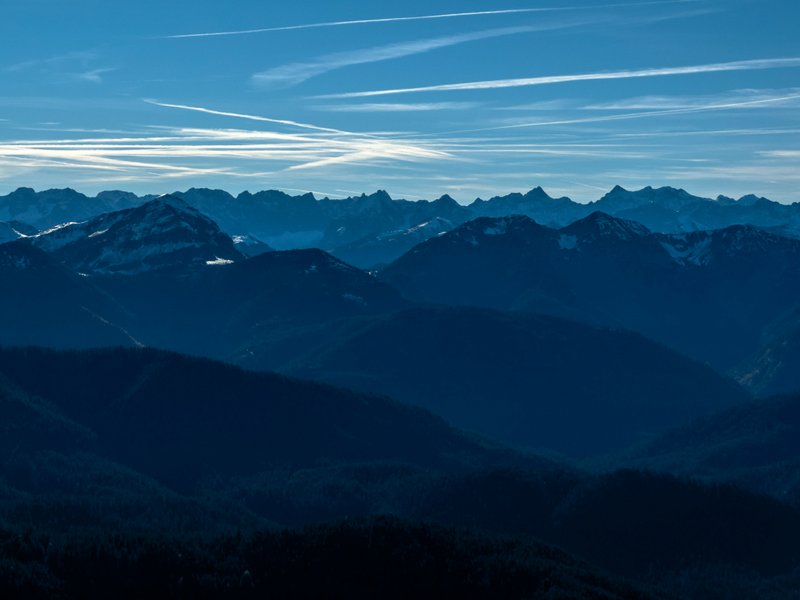
The peaks surrounding Garmisch-Partenkirchen and the Zugspitze draw travelers seeking both athletic pursuits and quiet restoration. Winter brings serious skiing across interconnected resorts, while summer opens high-altitude hiking trails through meadows thick with gentian and edelweiss. The region maintains a particular Bavarian formality — dirndls and lederhosen appear at Sunday Mass without irony, and hoteliers address returning guests by name across generations.
Dining here follows alpine rhythms. Breakfast means fresh Brezen from village bakeries; lunch might be Käsespätzle at a mountain hut reached only by cable car. Evening tables feature venison from local forests and freshwater fish from cold streams, paired with wines from Franconia. The coffee culture runs strong — afternoon Kaffee und Kuchen remains a near-sacred ritual in wood-paneled parlors with views stretching to Austria.