


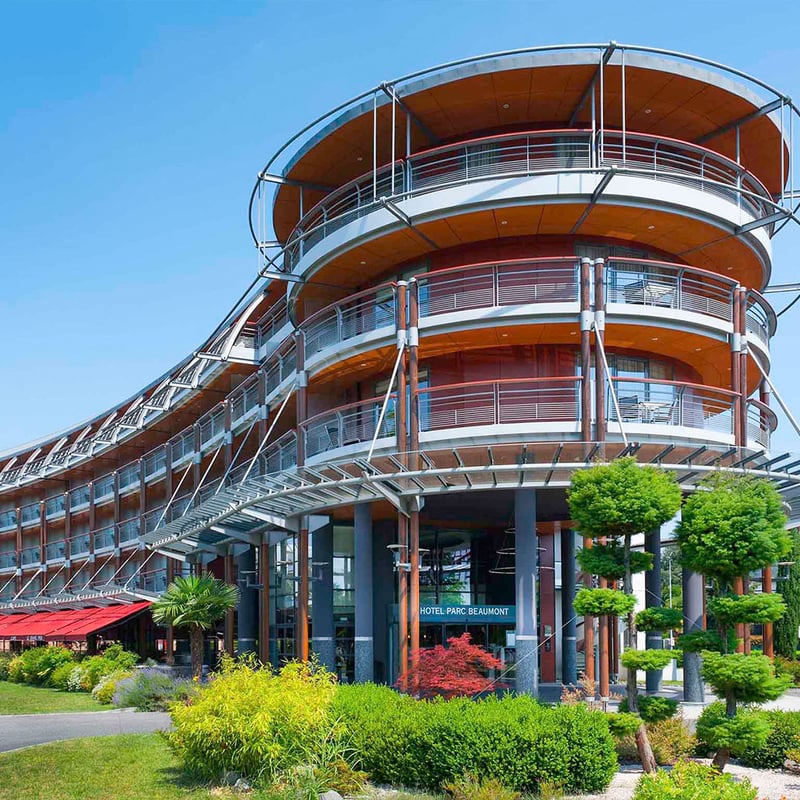
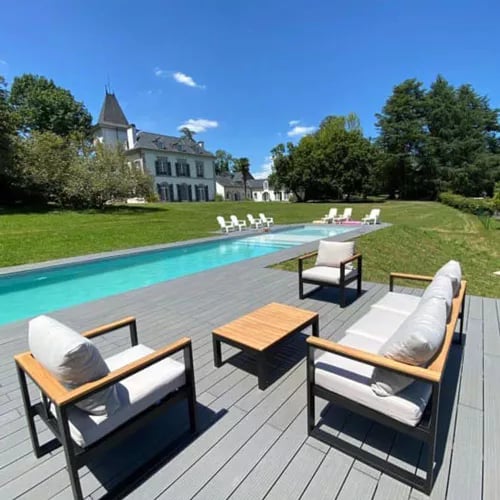
European aristocrats once wintered in Pau for its restorative mountain air, and Parc Beaumont channels that legacy with rooms gazing across rose gardens toward the Pyrenees. The indoor pool draws natural light through floor-to-ceiling windows, while the spa complex—Turkish bath, jacuzzi, sauna—offers thorough restoration. A terrace brasserie overlooks the grounds, and the birthplace castle of Henry IV sits minutes away.
Pau Travel Guide: Best Hotels, Restaurants & Experiences 
Explore Pau
Hotels (1)
Restaurants (10)
Where to Stay
Where to Eat

Michelin Selected
Six tables occupy a 19th-century villa where original herringbone parquet and period mouldings frame a deliberately restrained contemporary interior. The kitchen works exclusively with a single set menu, drawing first-class ingredients from Bigorre and Béarn to reinterpret regional Béarnaise recipes with modern precision. This intimate scale suits travelers seeking a focused, terroir-driven meal in quiet surroundings.

Michelin Selected
The Maynats—Béarnais slang for "the boys"—have carved out a loyal following in Pau with their instinctive, playful cooking. Surf and turf combinations hit with precision, served as part of an evening surprise menu that keeps regulars guessing. The octagonal glass-walled dining room feels bright and convivial, while an organic-focused wine list complements the kitchen's creative pulse. Relaxed yet ambitious.

Bib Gourmand
A two-minute stroll from Pau Château brings diners to this Bib Gourmand bistro on Place Gramont, where zinc counters and wood panelling set a warmly nostalgic tone. The kitchen works with fish straight from auction and slow-roasts pork shoulder for a full day, finishing traditional plates with judicious citrus accents and smoky depth. Generous portions and genuinely convivial service complete the picture.

Bib Gourmand
Twin brothers—one commanding the savory kitchen, the other the pastry station—run this two-story modern bistro in Pau's old town. Their Bib Gourmand cooking balances ingenuity with restraint: confit pork belly arrives with barbecue jus and pickled vegetables, rich yet remarkably light. A downstairs pastry counter doubles as tea room, making Jumo & Co equally suited to lingering lunches or afternoon sweets.

Michelin Selected
A 19th-century house near Pau shelters this intimate table where chef Olivier Nicolau, trained in starred kitchens alongside partner Karine, composes a hyper-local repertoire. Projan squab, Lucq-de-Béarn mushrooms, Bahus-Soubiran lemon, Poey-de-Lescar pepper—each dish maps the surrounding terroir with precision. Clever surf-and-turf pairings and generous portions make for deeply satisfying meals rooted in Béarnaise identity.

Michelin Selected
A 19th-century white mansion with slate roofing commands the Jurançon hillsides, its dining room windows framing sweeping views of Pau below. Basque chef Patxi, a veteran of regional kitchens, navigates between tradition and modernity with precision—his cèpe ravioles paired with premium foie gras exemplify a menu anchored in sustainable fishing and local sourcing. The wooded grounds and refined bourgeois interiors suit unhurried, contemplative meals.

Michelin Selected
A nineteenth-century listed stone house minutes from Pau shelters Nicolas Lormeau's inventive table, where Béarn produce undergoes textural metamorphosis—marinated scallops paired with passion fruit and sweetcorn, semolina milk enriched with Lot truffles alongside yuzu white chocolate ice cream. The elegant dining room with herringbone parquet opens onto a garden terrace shaded by a centennial oak, demanding reservations well ahead.

Michelin Selected
Chef Quentin Maysou's carte blanche menus unfold as seasonal improvisations at this chic bohemian address on rue des Orphelines. His creative bistronomy pivots from pan-fried scallops paired with banana miso and spinach-flecked quinoa to veal fillet brightened by roasted clementine and smoked pepper. The convivial dining room suits those seeking inventive cooking without ceremony in downtown Pau.

Michelin Selected
Two friends helm this contemporary bistro where traditional French cooking receives meticulous attention. The signature poule au pot arrives deboned and generously stuffed with veal, foie gras, and morels beneath a silken supreme sauce, its aromatic broth served alongside as a restorative drink. Lunch brings a rotating menu of bistro standards—chicken braised with olives and preserved lemon, herb-roasted sea bass—each dish executed with quiet precision.

Michelin Selected
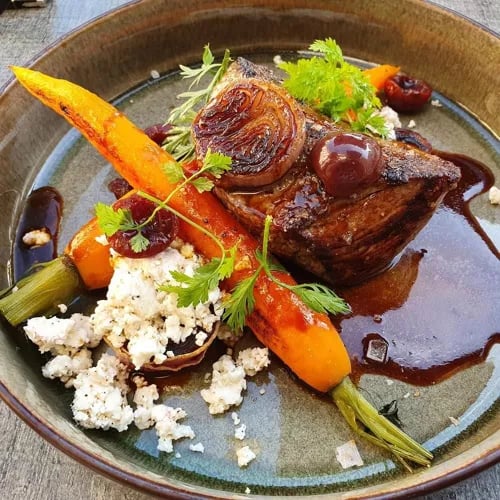
A former fishmonger's shop on a pedestrianised Orthez street now houses this bustling bistro, its interior scattered with collected curios and mismatched crockery that lend genuine warmth. The braised beef chuck with fondant carrots draws regulars, while evening and weekend menus shift toward line-caught hake and PGI duck. Finish with the classic riz au lait, its salted caramel and nougatine a satisfying close.
Frequently Asked Questions
What makes the Boulevard des Pyrénées special for visitors?
+
This kilometer-long promenade offers unobstructed views of the Pyrenees mountain chain, stretching from Pic du Midi d'Ossau to the peaks above Lourdes. Built in the early nineteenth century, it connects the château to Parc Beaumont and remains the town's defining public space, particularly striking at sunset when the mountains catch the last light.
Which neighborhoods should visitors explore in Pau?
+
The ville haute around the Château de Pau and Place Royale contains the historic core, with Renaissance and Belle Époque buildings. The Hédas quarter, a former working-class area in a ravine below, has been revitalized with restaurants and bars. Trespoey, the residential district developed by English visitors, features grand villas and leafy avenues.
What local wines and dishes define Pau's cuisine?
+
Jurançon, both dry and sweet, comes from vineyards visible from town and pairs naturally with local foie gras and aged sheep's cheese. Garbure, a hearty cabbage and confit soup, appears on most traditional menus. The Ossau-Iraty cheese and salt-cured Bayonne ham, though produced nearby rather than in Pau itself, feature prominently in the regional repertoire.
Nearby Destinations
Explore France



Pau
Pau commands one of Europe's great panoramas: the full sweep of the Pyrenees visible from the Boulevard des Pyrénées, a promenade conceived under Napoleon. The town grew prosperous from English and American winter visitors in the nineteenth century, who came for the mild climate and mountain air. Their legacy persists in the ville haute's Belle Époque architecture, the palm trees of Parc Beaumont, and a certain Anglo-Béarnais character that sets Pau apart from neighboring Basque and Gascon towns.
The gastronomic scene draws from Béarn's larder: garbure, poule au pot, Jurançon wines from slopes just south of the city. Chefs work with duck, lamb from the Ossau valley, and vegetables from market gardens along the Gave de Pau. The Place Clemenceau and streets threading toward the château concentrate the best tables, while the covered market Les Halles de Pau remains essential for understanding local produce and the region's attachment to terroir.