


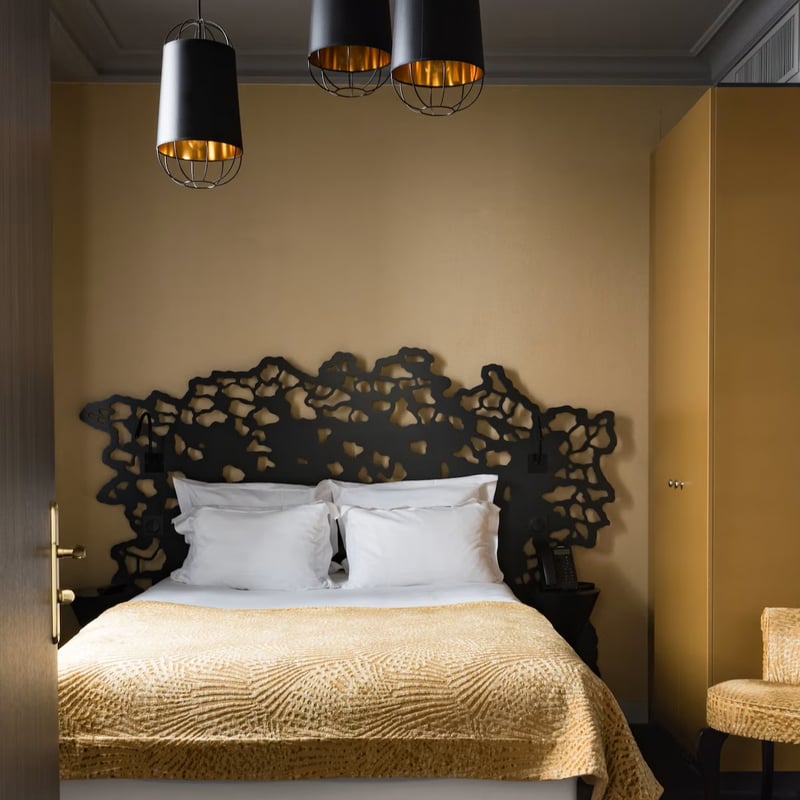
A tenth-century aristocratic residence turned boutique hotel, Empreinte occupies a privileged position on the Loire's banks in historic Orléans. The 32 rooms pair period architectural details with sharp contemporary design; many frame views of the Georges V bridge and city rooftops, while one offers a private terrace. A modern spa with Omnisens products, sauna, and jacuzzi completes the retreat. Pet-friendly.
Orléans Travel Guide: Best Hotels, Restaurants & Experiences 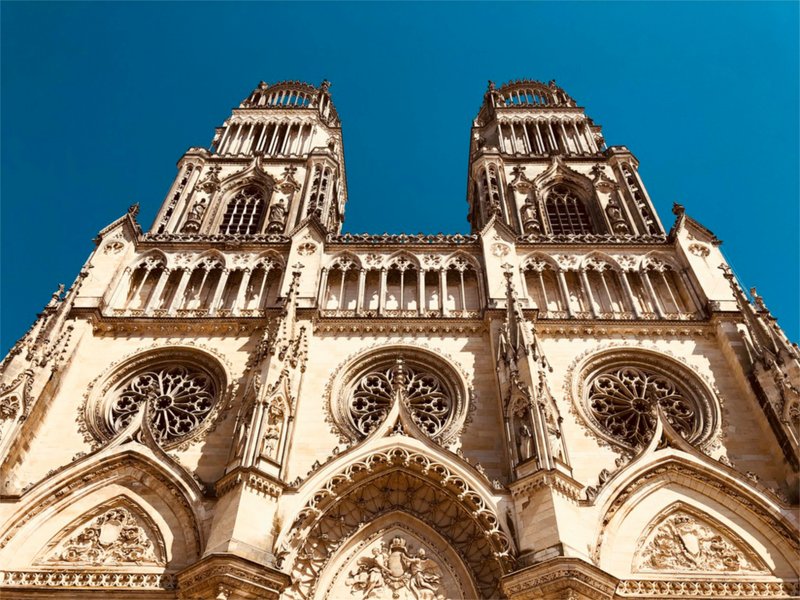
Explore Orleans
Hotels (1)
Restaurants (10)
Where to Stay
Where to Eat

★ Michelin
Facing Limère golf course, this one-starred table helmed by Loïs Bée channels Christophe Hay's forest-and-garden philosophy through an eco-conscious lens. The open kitchen produces seasonal plates—Sologne trout with verbena, ostrich paired with wild garlic—using vegetables grown on-site and locally sourced game. A 600-label cellar and attentive service complete an experience suited to gastronomes seeking substance over spectacle.

★ Michelin
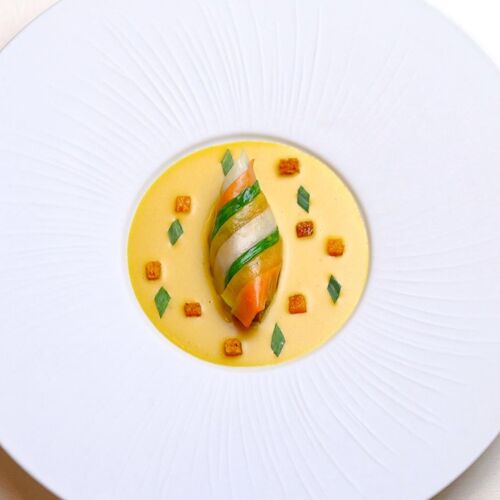
Chef Arnaud Billard's one-starred table on the left bank of the Loire draws from a remarkable local partnership: a market gardener cultivating over 300 vegetable, fruit, and herb varieties. The kitchen channels this abundance into veggie-forward plates laced with Asian inflections and a pronounced citrus sensibility—signature scallops arrive on a bed of leeks, brightened by yuzu kosho's green heat.

★ Michelin
Chef Tristan Robreau, trained at the acclaimed La Bouitte in the Alps, holds a Michelin star for his Loire-meets-Asia cooking at this intimate 31-cover dining room. The flexible tasting format—two to six courses—pairs bold seasonings with prime ingredients: green curry with crab, tikka masala with squab, pigeon charred over binchotan. A cosy aperitif lounge and globe-spanning wine list complete the contemporary setting.

Michelin Selected
Behind a striking red façade steps from Place du Martroi, chef Alain Gérard—trained under Alain Passard and Gilles Epié—orchestrates surprise tasting menus driven by seasonal inspiration. The dining room exudes quiet refinement: white tablecloths, intimate private salons, and dishes that balance meticulousness with genuine subtlety. Each plate reflects a chef who followed instinct to Orléans and built something personal.

Bib Gourmand
Behind a discreet façade on a pedestrian street, chef Céline Lefèvre orchestrates a Bib Gourmand-worthy kitchen with precision and creativity. Her short set menus shift with the seasons and market finds, each dish showcasing modern technique and original composition. The intimate twenty-seat dining room demands reservations—a wise stop for travelers bound for the Loire Valley châteaux.

Bib Gourmand
Stone walls and a coffered ceiling frame this Bib Gourmand address in the historic village where Max Jacob lies buried. The kitchen adheres to classical French technique with precision—crisp sweetbread scallops arrive generously garnished, a signature demonstration of textbook craft executed with care. A terrace overlooking the village square extends the pleasure in warmer months, attended by gracious, unhurried service.

Michelin Selected
An all-female trio led by Marie Gricourt—formerly head chef at Christophe Hay's acclaimed La Table d'à Côté—runs this contemporary bistro near the Loire. The kitchen earned world champion status for its œuf mayonnaise in 2024, a deceptively simple dish elevated with organic eggs, house-made mustard mayo, and local Martin-Pouret vinegar. Beyond that trophy, expect refined comfort: conchiglioni stuffed with beef chuck and porcini, veal tartare brightened with raspberry and tarragon.

Michelin Selected
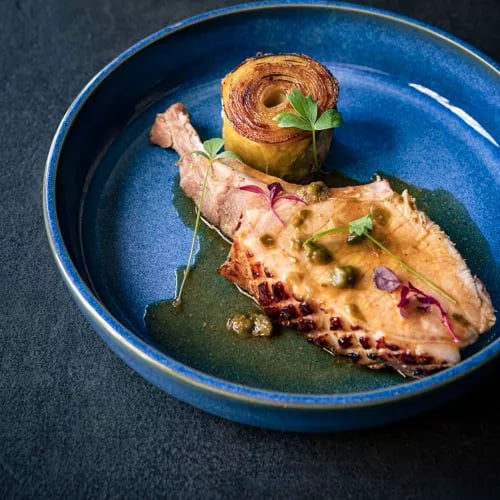
A 15th-century half-timbered house near Orléans cathedral provides the atmospheric backdrop for this modern French table. The chef, who learned his craft within these very walls as an apprentice, has returned to helm a kitchen rooted in seasonality and honest technique. Stone walls and intimate proportions frame dishes like pork chop with caper jus—unpretentious cooking with genuine depth.

Michelin Selected
A charming half-timbered building faces the rolling vineyards of Coteaux du Giennois, its airy dining room bathed in soft light. The veteran chef delivers a focused menu built on seasonal precision—crab, semi-cooked foie gras, turbot, and Basque pork, each dish revealing careful technique. A warm hostess adds to the relaxed atmosphere, and guestrooms upstairs allow diners to extend the evening.

Michelin Selected
A flower-laden village restaurant with garden terrace, Le Lancelot moves fluidly between tradition and contemporary sensibility. The kitchen's signature pithivier arrives impossibly tender, while autumn brings Sologne game to the menu. Desserts lean classic—rum crème brûlée paired with pistachio ice cream—delivering quiet satisfaction rather than spectacle. A calm detour from Orléans for those seeking unhurried, rooted French cooking.
Frequently Asked Questions
Which neighborhoods in Orléans have the best restaurant concentration?
+
Place du Martroi and the surrounding streets — particularly Rue de Bourgogne and the lanes near the cathedral — host most of the city's destination tables. The quays along the Loire offer wine bars and bistros with river views.
What local Loire Valley dishes should visitors try in Orléans?
+
Look for sandre (pike-perch) in beurre blanc, game from the Sologne forests in autumn, Olivet asparagus in spring, and the almond-filled Pithiviers pastry. Pair them with local Cheverny whites or Coteaux du Giennois reds.
When is the best time to visit Orléans for food and cultural events?
+
The Fêtes Johanniques in early May combine historical pageantry with market stalls and special menus. The Saturday market at Les Halles Châtelet runs year-round and showcases regional producers at their best during spring asparagus and autumn game seasons.
Nearby Destinations
Explore France


Orleans
The Loire's northernmost grande ville sits at a bend in the river where Joan of Arc lifted the English siege in 1429. That military triumph shapes the city still — the Fêtes Johanniques each May draw crowds to the half-timbered streets of the reconstructed old town, where Renaissance façades line the pedestrianized Rue de Bourgogne. The cathedral of Sainte-Croix, rebuilt over centuries after Huguenot destruction, anchors the skyline with its twin spires.
Dining here reflects the region's produce: Sologne game, Olivet asparagus, Loire pike and sandre prepared in beurre blanc. The covered market Les Halles Châtelet buzzes on Saturday mornings with vendors selling Crottin de Chavignol and Pithiviers pastries. Along the quays, wine bars pour Cheverny and Cour-Cheverny by the glass. The restaurant scene clusters around Place du Martroi and the streets radiating from the cathedral, where chefs trained in Parisian brigades have returned to cook closer to their suppliers.