


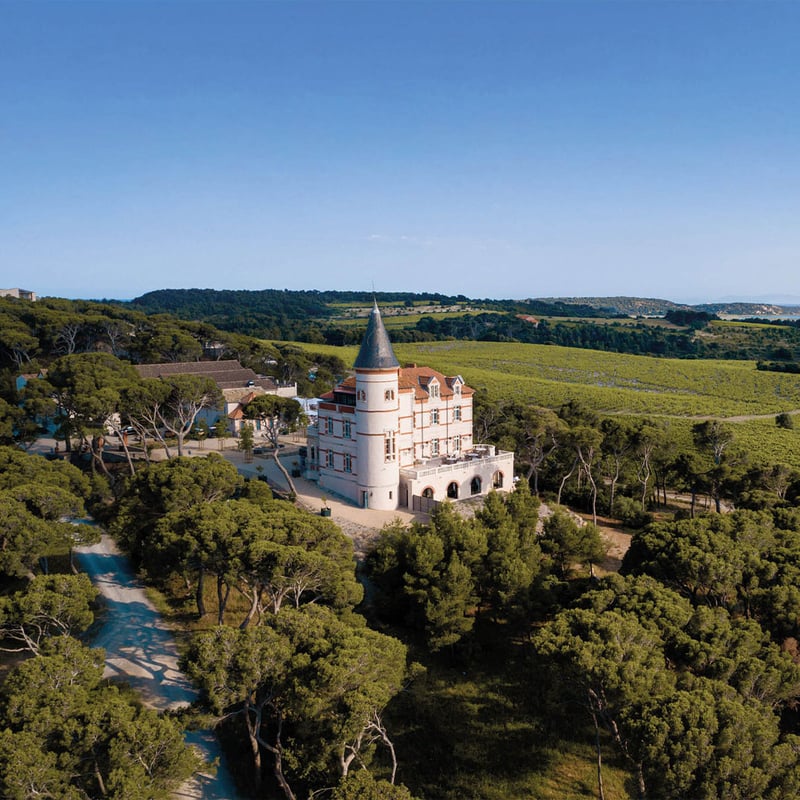
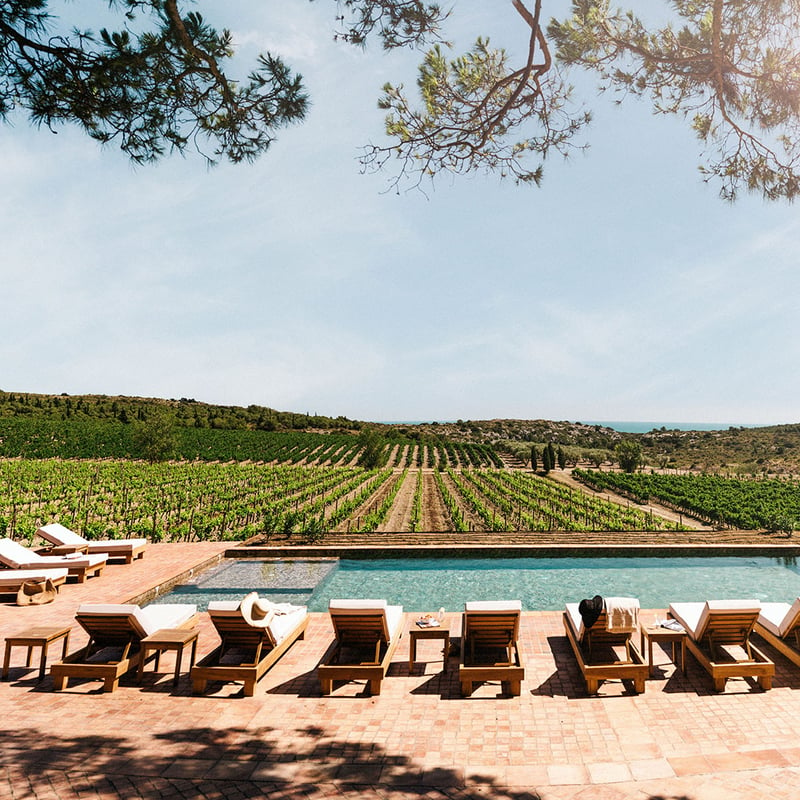
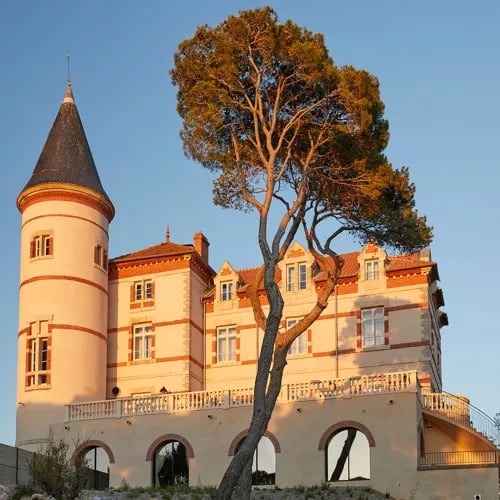
A 19th-century château crowns a Languedoc hilltop where eight rooms dressed in Art Deco chandeliers and velvet furnishings overlook ten hectares of vineyards rolling toward Gruissan's beaches. The Cinq Mondes spa occupies the original wine cellars, while James Basson's gardens—65,000 Mediterranean plants attracting flamingos and eagles from the Massif de la Clape—frame an infinity pool. Families settle into private-pool villas; couples dine at gastronomic Méditerranéo or the Argentine grill Asado.
Narbonne Travel Guide: Best Hotels, Restaurants & Experiences 
Explore Narbonne
Hotels (3)
Restaurants (9)
Where to Stay

Small Luxury Hotels
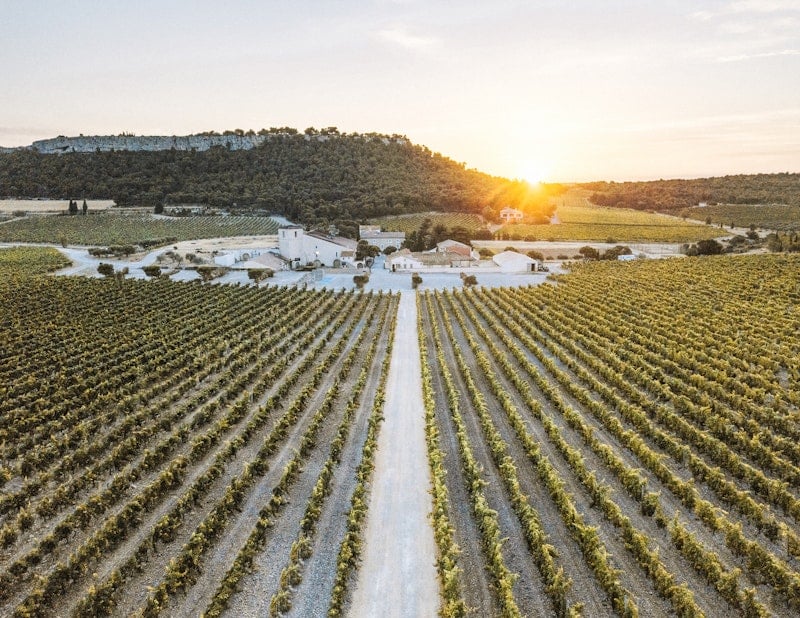
Sprawling across a 1,000-hectare biodynamic wine estate where Mediterranean breezes carry the scent of garrigue, this 41-room resort pairs vineyard immersion with coastal pleasure. Villa Soleilla suites offer private pools and floor-to-ceiling views over the vines, while L'Art de Vivre matches Gérard Bertrand wines to refined seasonal menus. A beach club with tapas service and Spa Soleilla round out the experience for oenophiles and sun-seekers alike.

An 11th-century hospital reborn as a 42-room boutique retreat, Château l'Hospitalet occupies a secluded estate between Narbonne and the Mediterranean, surrounded by working vineyards and coastal lagoons. Rooms in the original château and converted winery buildings feature minimalist interiors with travertine flooring; suites offer terraces facing vines or sea. The property includes cellar tastings, a vineyard-framed pool, spa, tennis court, and access to a seasonal beach club.
Where to Eat

★★★ Michelin
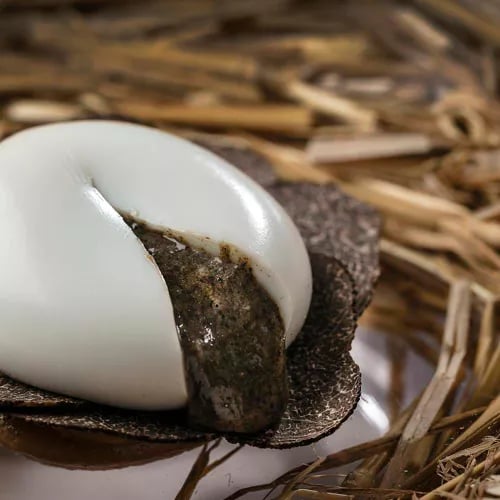
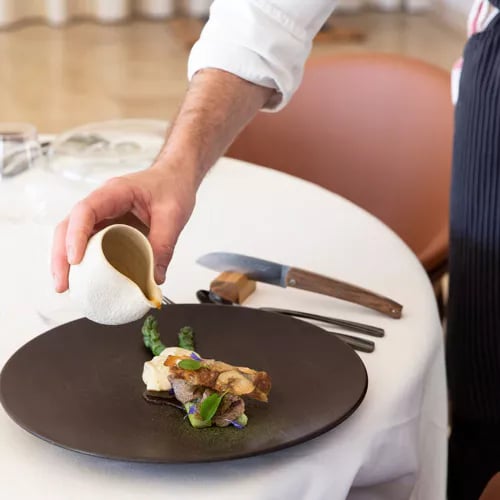
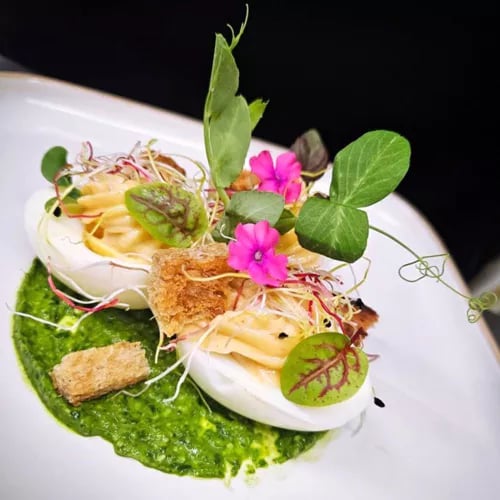
Gilles Goujon earned three Michelin stars by mastering restraint—letting exceptional ingredients command attention while his technique remains invisible. His signature egg, luxuriously filled with black truffle and accompanied by mushroom purée and foamy emulsion, exemplifies this philosophy. Sons Enzo and Axel now work alongside him, maintaining the meticulous, generous spirit. Tableside presentations by the chef himself turn each course into quiet theater.

★★ Michelin
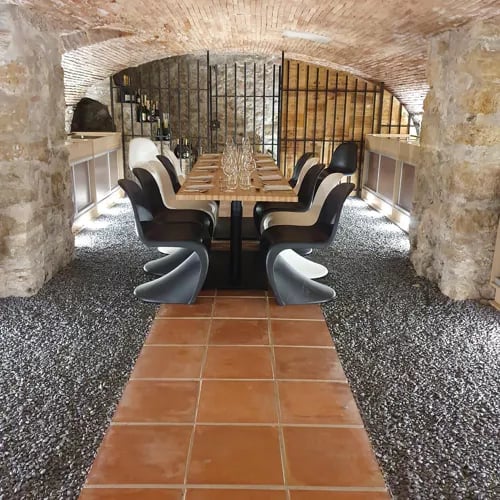
Medieval stone arcades and pilgrim history meet polished concrete and sculptural seating at Lionel Giraud's two-starred table. The chef champions hyper-local sourcing—Mediterranean red tuna, Corbières buffalo mozzarella, humble green beans—treating each with equal reverence. His adoption of ikejime, the Japanese fish-killing technique, signals a kitchen where ethics and texture receive the same meticulous attention as flavor.

★ Michelin
Perched above Leucate with sweeping views from Sète to the Albères mountains, this one-starred table showcases chef Erwan Houssin's deep roots in Languedoc-Roussillon terroir. He forages wild herbs from the surrounding cliffs to accent dishes like amberjack lacquered in black olives or shellfish brightened with plankton emulsion. Pastry chef Pamela Houssin's dessert trolley—think Burlat cherries with Tahitian vanilla rice pudding—provides a memorable finale.

Michelin Selected· Green Star ●
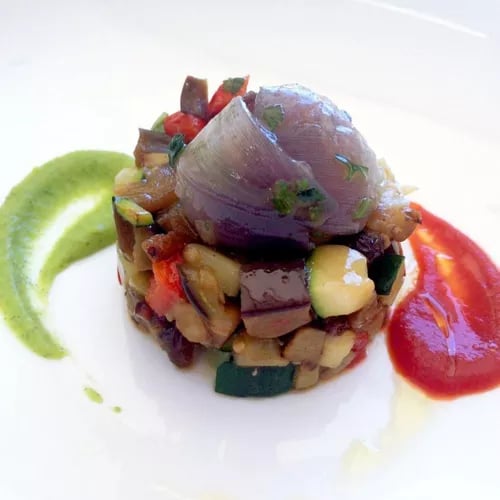
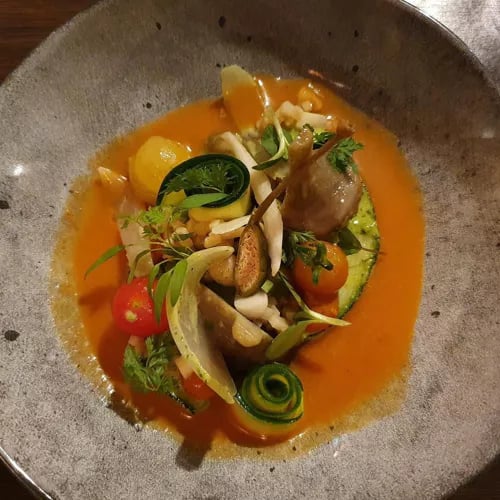
Chef Laurent Chabert tends his own kitchen garden in the La Clape mountains, harvesting aromatic herbs and vegetables that anchor his cooking in place and season. The menu favors organic local produce—grouper charred over open embers, aubergine braised and glazed with concentrated tomato—paired exclusively with wines from the surrounding estate vineyards. A Michelin Green Star confirms the commitment to sustainability.

Michelin Selected
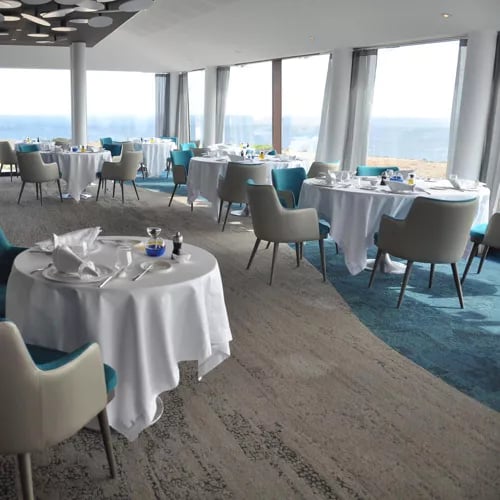
Seven generations of winemaking heritage infuse Méditerranéo, where chef Valère Diochet crafts light, herb-driven Mediterranean plates amid the garrigue of Massif de la Clape. Monkfish arrives marinated with lovage; red mullet is seared on one side only, its skin crackling. The Art Deco dining room frames vineyards sloping toward the Étang de Bages, while estate wines anchor an informed Languedoc list.

Bib Gourmand
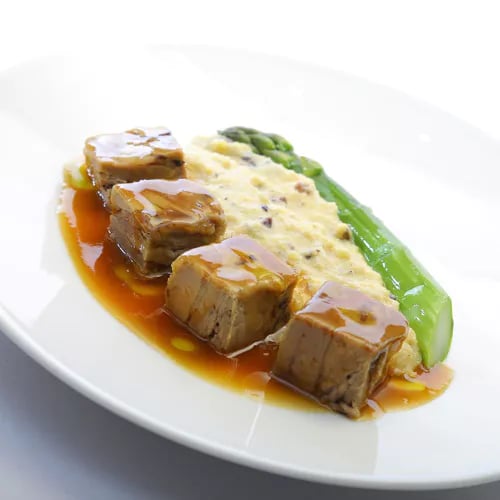
Lionel Giraud's Bib Gourmand bistro delivers rugged, precise cooking rooted in Occitanie's finest produce. The chuck beef, slow-simmered until tender, arrives alongside a velvety carrot purée that has become a signature. Downstairs, La Cave à Vin holds 2,500 bottles available for corkage—an invitation to pair regional wines with creative, flavor-forward plates in an atmosphere of relaxed conviviality.

Michelin Selected
Beneath the Cap Leucate lighthouse, this modern bistro surveys the Marine Natural Park of the Gulf of Lion from its coastal perch. The kitchen honors local waters with Leucate gilthead bream carpaccio paired with house-made blini, while wild prawns arrive a la plancha, glossed with bisque emulsion. Desserts—riffs on peach melba, rum baba, chocolate finger—close meals with unapologetic indulgence.

Michelin Selected
An Italian family's passion project in the rugged Les Corbières countryside, La Bourdasso raises its own water buffaloes—imported from Italy—to produce extraordinary house-made mozzarella. Ancient wheat cultivated on the property becomes handcrafted pasta and bread, while a generous terrace surveys the surrounding vineyards and hills. Authentic, unhurried, and rooted in genuine farm-to-table practice.

Michelin Selected
A self-taught chef realized his childhood dream by transforming this village square cafe into a destination for confident, produce-driven cooking. Father and daughter work side by side, sending out inventive plates—rabbit paired with haddock maki, plancha-seared veal brightened by chimichurri—while guests linger on the terrace beneath a centennial tree. The rum baba with piña colada sorbet closes meals with tropical flair.

Michelin Selected
A converted wine barn near Narbonne houses this husband-and-wife kitchen, where a cottage garden dictates the daily menu. Classics arrive with deceptive simplicity—onion soup, tarte tatin—yet reveal careful technique beneath familiar names. The seasonal approach feels unhurried and rooted, ideal for travelers seeking an authentic table driven by what the earth yields that morning.
Frequently Asked Questions
What is the best area to stay in Narbonne?
+
The historic centre around the Canal de la Robine and the cathedral offers the most convenient base, with restaurants, Les Halles market, and the main monuments within walking distance. For a quieter setting with vineyard access, the outskirts toward the Massif de la Clape or the wine villages of the Corbières provide estate-style accommodation.
When should I visit Narbonne?
+
Late spring and early autumn bring warm weather without the August crowds, ideal for exploring the town and surrounding wine country. The Thursday market at Les Halles runs year-round, but summer adds evening concerts along the canal and wine festivals in nearby villages.
Is Narbonne a good base for exploring Languedoc wines?
+
The city sits at the crossroads of several major appellations. Corbières lies to the south, Minervois to the north, and the coastal La Clape vineyards begin just east of town. Many domaines offer tastings, and the regional wine bar scene in Narbonne itself has grown considerably.
Nearby Destinations
Explore France




Narbonne
Narbonne carries the weight of Roman Gaul in its stones. The Via Domitia still runs beneath the Place de l'Hôtel de Ville, exposed for visitors to walk the same route that once connected Italy to Spain. The Canal de la Robine cuts through the centre, lined with plane trees and moored barges, while the unfinished Cathedral of Saint-Just-et-Saint-Pasteur looms overhead — its truncated nave a reminder of medieval ambitions curtailed by city walls. The old merchant quarter around Rue Droite holds Renaissance façades and covered passages where the morning bustle spills from Les Halles, a 19th-century iron market hall.
The Languedoc wine appellations surrounding the city — Corbières, Minervois, La Clape — shape both the landscape and the table. Local restaurants lean heavily on the region's produce: oysters from nearby Leucate and Gruissan, lamb from the garrigue, and the robust reds that pair with cassoulet's distant cousin, the local petit salé. The dining scene clusters around the canal banks and the Place du Forum, where tables fill quickly on summer evenings. Beyond the centre, the coastal étangs and the Massif de la Clape offer a wilder Languedoc, salt marshes meeting scrubland just minutes from town.