Skip to content

Arles

Explore Arles

Hotels (2)
Restaurants (1)

Where to Stay

Verified
Verified

Ivy cloaks this seventeenth-century farmhouse where the Bon family raises semi-wild long-horned bulls across Camargue ranch land, rice fields stretching to the horizon. Just eleven rooms showcase Lucille Bon's eye for design—exposed pine beams meet inventive flourishes like a mezzanine bathroom. Dinner unfolds at communal tables mid-kitchen, a coveted ritual featuring estate beef and local red rice. Bikes, an outdoor pool, and wood-burning fireplaces complete the pastoral immersion.

2. Hotel Jules Cesar

Christian Lacroix, the Arles-born couturier, transformed this 17th-century Carmelite convent into a flamboyant collision of Provençal tradition and fashion-world theatrics. Guest rooms ring a shaded cloister, furnished with antiques and rich regional fabrics, while the restaurant draws locals for classic Provençal cooking and Mediterranean seafood. A spa with hammam, sauna, and jacuzzi complements the outdoor pool—ideal for families, with suites sleeping four.

3. Les Bains Gardians

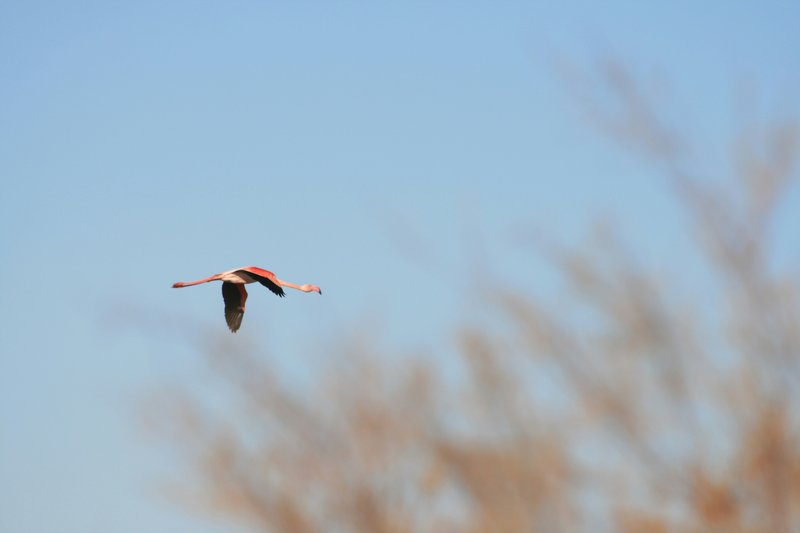
Restored cabanes de gardians—whitewashed, thatched cottages once sheltering Camargue bull herdsmen—now house design-forward rustic suites across ten acres of reed-fringed wetlands where flamingos wade and wild horses graze. The Paris nightclub dynasty behind Les Bains brings poolside DJs and barefoot glamour to this remote landscape, complete with an equestrian center, spa, swimming pools, and a destination restaurant drawing style-conscious families and adventure seekers alike.

4. La Régalido

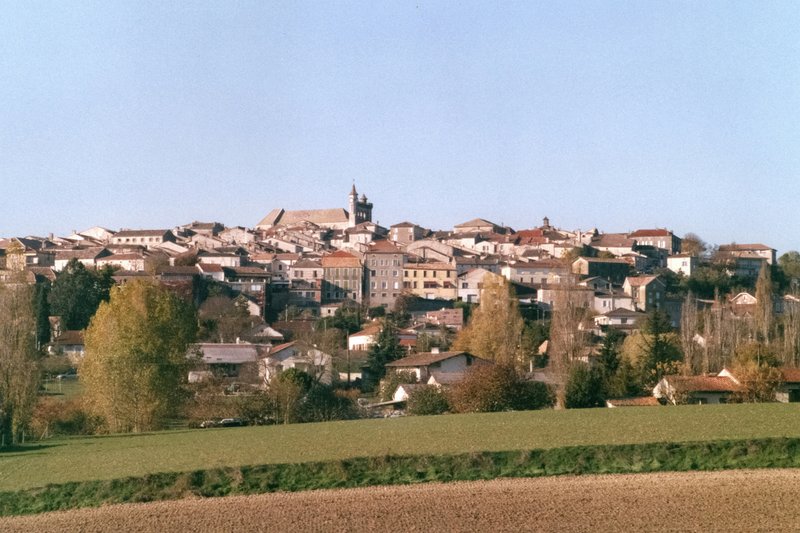
Behind the ancient walls of Fontvieille, a medieval village minutes from Arles and the dramatic cliffs of Les Baux-de-Provence, this 23-room property offers locally sourced stone bathrooms and private solariums in its guest quarters. The vaulted cavern housing restaurant Mistral Blanc serves regional specialties, while a walled garden shelters the swimming pool. Extended families can privatize the entire estate.

5. Mas de la Fouque

At the edge of a Camargue nature reserve, this 26-room property immerses guests in wetlands and wildlife, with empty Mediterranean beaches nearby. The swimming pool, framed by pine and tamarisk trees with Gandia Blasco furnishings, anchors the estate. Chef Jérémy Faure leads La Table de Marius, while a Nuxe spa and luxury caravans appeal to travelers seeking refined rusticity in an untamed landscape.

6. L'Hôtel Particulier, Arles

A rare 19th-century private mansion tucked behind stone walls in Arles' historic center, this eight-room boutique property trades street noise for a verdant courtyard garden. Owner Brigitte Pagés de L'Oliveira has layered contemporary design over the building's romantic bones, while a cellar spa with jacuzzi and seasonal outdoor pool reward guests seeking quiet indulgence. Pet-friendly, with breakfast the sole—but lavish—meal service.

Where to Eat

1. La Chassagnette

★ Michelin· Green Star ●

A converted Camargue sheepfold surrounded by three hectares of permaculture gardens, orchards, and France's only restaurant tropical greenhouse — where coffee and papaya grow alongside the daily harvest. Chef Armand Arnal, Michelin-starred since 2009, shapes six-course menus that shift with the seasons: blowtorched leeks in winter, confit tomatoes with basil in summer. Japanese touches emerge in dishes like allium chawanmushi with green caviar, while organic wines pour from a vineyard just 100 metres away.

2. Les Maisons Rabanel

Michelin Selected

Chef Jean-Luc Rabanel's vegetable-forward cooking defies easy categorization, shifting and evolving with each service in his Arles address. The space houses two distinct experiences: Greeniotage for relaxed bistro meals and Greenstronome for refined gastronomy, both rooted in the same restless culinary philosophy. Expect invention over tradition, produce given center stage, and a chef who treats repetition as the enemy of good cooking.

3. Inari

Michelin Selected

Chef Céline Pham, whose résumé includes Septime and Ze Kitchen Galerie, brings her vegetable-forward French-Vietnamese cuisine to a restored 13th-century chapel on Place Voltaire. Dishes arrive precise and incisive—red mullet with garrigue oil, courgettes lifted by chrysanthemum, proteins accented with yuzukocho and shiso. Two terraces provide an ideal setting for summer evenings, complemented by a focused natural wine selection.

4. L'Arlatan

Michelin Selected

Cuban artist Jorge Pardo's kaleidoscopic mosaic floor sets the stage at this 15th-century address near the Forum, where Mediterranean cooking takes a distinctly Camargue turn. The seasonal menu showcases local oysters, beef marinated à la provençale, and the region's distinctive red rice, while the sun-drenched courtyard draws a devoted crowd for regional wines and well-crafted cocktails.

5. Le Relais du Castelet

Michelin Selected

A former hunting lodge set among olive groves and garrigue near Fontvieille, Le Relais du Castelet channels the Provençal terroir through chef Jean-Baptiste Bert's garden-driven cooking. The set menu unfolds under a pergola: clams with garlic, farmhouse pork terrine, monkfish with favouilles jus and artichokes barigoule, local picodon from Maison Vergne. Children roam the grounds freely—ideal for long family lunches.

6. Le Mas de Peint

Michelin Selected

Three generations of the same family have shaped this Camargue ranch into a refined dining destination. The kitchen draws from its own potager, turning garden vegetables and regional ingredients into reimagined Provençal classics—bull beef gravlax, gazpacho crafted from heirloom tomatoes. Meals unfold on a wisteria-draped terrace, the restored farmhouse lending an atmosphere of cultivated rusticity that feels earned rather than staged.

7. Le Gibolin

Bib Gourmand

Arnaud Jourdan, shaped by kitchens at La Chassagnette and Les Maisons Rabanel, runs this Bib Gourmand bistro with confident simplicity. The market-driven menu yields hearty pleasures: calf's head carpaccio dressed in ravigote, skate wing à la grenobloise with glazed radishes, and a chocolate mousse punctuated by black olives and fleur de sel. Natural wines flow freely in a relaxed, convivial atmosphere.

8. Belvédère

Michelin Selected

Japanese chef Kohei Ohata runs this discreet table inside Hotel Belesso, applying his precise technique to Provençal ingredients sourced from nearby markets. The cooking emphasizes freshness and fragrance—Mediterranean produce handled with restraint and clarity. His wife oversees pastry, adding a refined sweet counterpoint. Fair pricing for this caliber makes Belvédère a local secret worth seeking out in Fontvieille.

9. Chardon

Michelin Selected

Chardon operates on an intriguing chef-in-residence model, with rotating culinary talents taking command of the kitchen while sharing a devotion to local sourcing. The Mediterranean plates emerge fresh and precise, served in an inviting bistro atmosphere alongside a thoughtfully assembled natural wine selection. This Michelin-recognized address rewards visitors seeking genuine, ingredient-driven cooking in the shadow of the Roman arena.

10. Drum Café

Michelin Selected

Frank Gehry's shimmering tower on the Luma arts campus houses this design-forward restaurant where recycled materials and Arles merino wool furnish dramatically high-ceilinged interiors. The fusion kitchen draws from Camargue and Alpilles larders—oysters, local rice, lamb—while pushing into unexpected territory with soy-mirin glazed aubergine topped with sesame caviar and chimichurri. An organic-focused wine list spotlights small regional estates.

Frequently Asked Questions

When is the best time to visit Arles and the Camargue?

+

April through June offers mild temperatures, spring wildflowers in the Camargue, and the famous Feria d'Arles in May with its bullfights and flamenco. September and October bring fewer crowds, harvest season, and exceptional light for photography. Summer can be intensely hot, though the Mistral wind provides periodic relief. Winter sees the Camargue at its most atmospheric, with vast flocks of migratory birds and dramatic skies.

How should I split my time between Arles and the Camargue?

+

Two nights in Arles allows time to explore the Roman monuments, the Luma Foundation's contemporary art complex, and the restaurant scene without rushing. Add at least one or two nights in the Camargue proper to experience the wetlands, perhaps staying at a working ranch or a converted farmhouse. The landscapes reward slow exploration — horseback rides, cycling the digue trails, or simply sitting by a lagoon watching flamingos at dusk.

What local specialties should I look for in Arles?

+

Taureau de Camargue — the lean, AOC-certified beef from the region's free-roaming black bulls — appears on most serious menus, often as a daube or grilled with herbs. Tellines (tiny clams) are gathered from the Camargue beaches and served simply with garlic and parsley. The local red rice, grown in the flooded paddies, has a nutty quality unlike any other variety. And the gardiane de taureau, the traditional bull stew slow-cooked with olives and red wine, remains the defining dish of the region.