


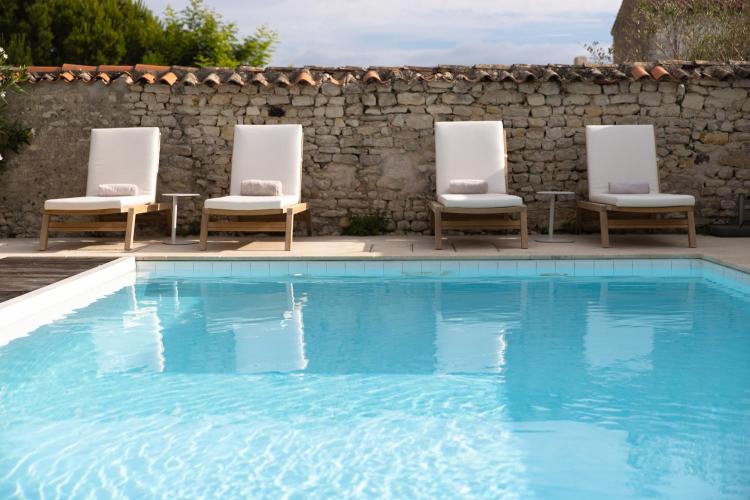
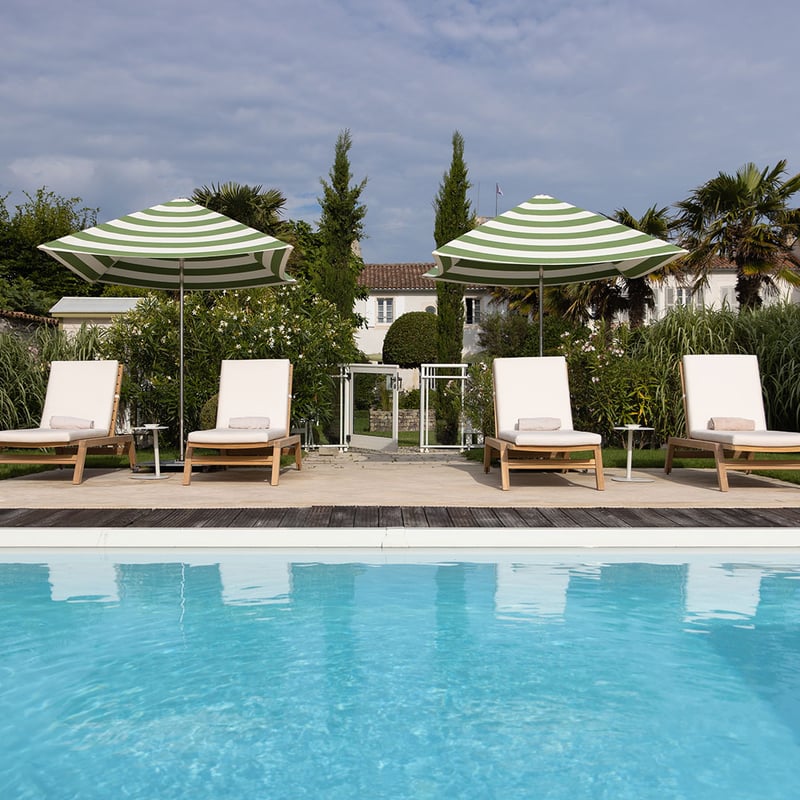
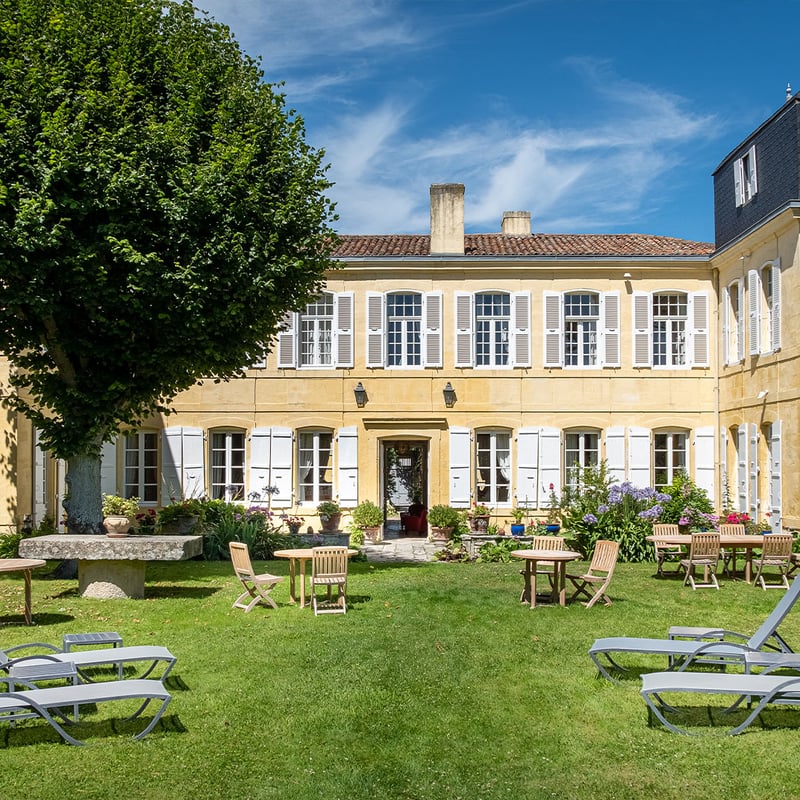
An 18th-century mansion turned intimate retreat, Villa Clarisse occupies a quiet yet central position in Saint-Martin-de-Ré. Nine rooms—five of them suites—surround a cloistered courtyard garden where a small pool and spa await. Two Premier suites interconnect, making this refined address surprisingly practical for families seeking polish without pretense on the island.
Île de Ré Travel Guide: Best Hotels, Restaurants & Experiences 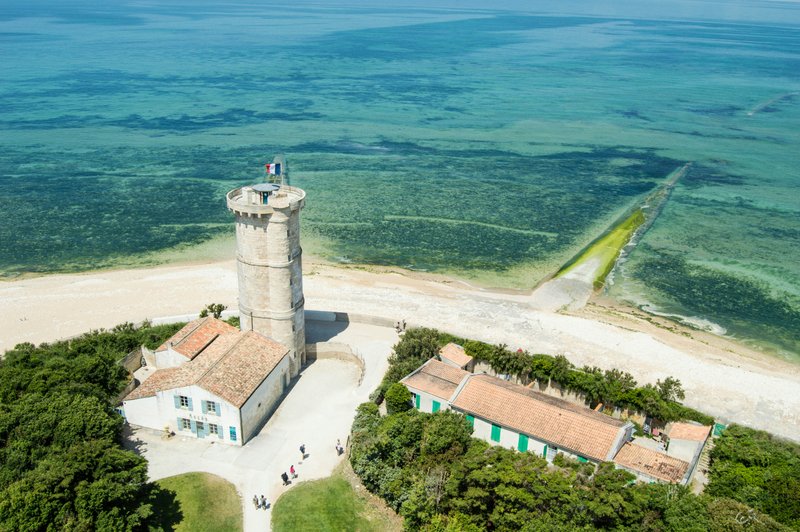
Explore Ile De Re
Hotels (4)
Restaurants (3)
Where to Stay

An 18th-century house on the edge of Saint-Martin, Villa Clarisse holds just nine rooms dressed in Pierre-Yves Rochon's contemporary-classic vision—bright, near-monochrome interiors punctuated by maritime blue. Gardens wrap around an outdoor pool and spa with Turkish bath, while bicycles and picnic lunches encourage leisurely exploration of the island. The intimate scale suits travelers seeking Atlantic calm over Mediterranean spectacle.

A 17th-century shipowner's residence on Saint-Martin-de-Ré's harbor, redesigned by Pierre-Yves Rochon with fabrics from Canovas, Pierre Frey, and Ralph Lauren across twenty rooms named for island luminaries. The aromatic garden by Louis Benech leads to Salon d'Olivia for afternoon tea, while George's restaurant serves seafood straight from the adjacent fish market on its port-facing terrace. Sophisticated yet refreshingly understated.

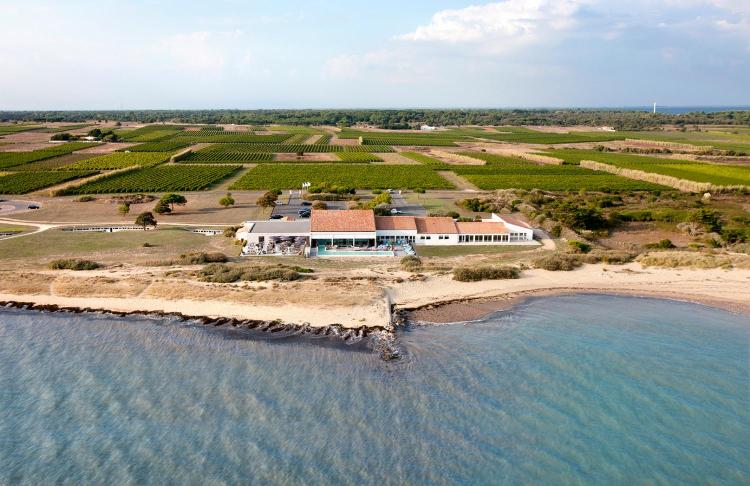
Tucked between Atlantic dunes and vineyards on Île de Ré's southern shore, this 97-room thalassotherapy retreat occupies a rare beachfront position away from the island's busier towns. The marine spa spans indoor and outdoor saltwater pools, hammam, and six semi-private treatment suites where guests remain with one therapist throughout. A waterfront pool ringed by triangular cabanas and a locavore restaurant complete the wellness-focused proposition.

An 18th-century mansion Louis XVI once gifted Marie-Antoinette now houses this refined Saint-Martin-de-Ré retreat. The 3,000-square-metre grounds unfold through cobblestoned courtyards fragrant with lavender and jasmine, leading to a heated seasonal pool and a Cinq Mondes spa with counter-current basin and jacuzzi available for private booking. Accommodations range from period-furnished rooms to the freestanding Indian Lodge, crafted from salvaged antique timber.

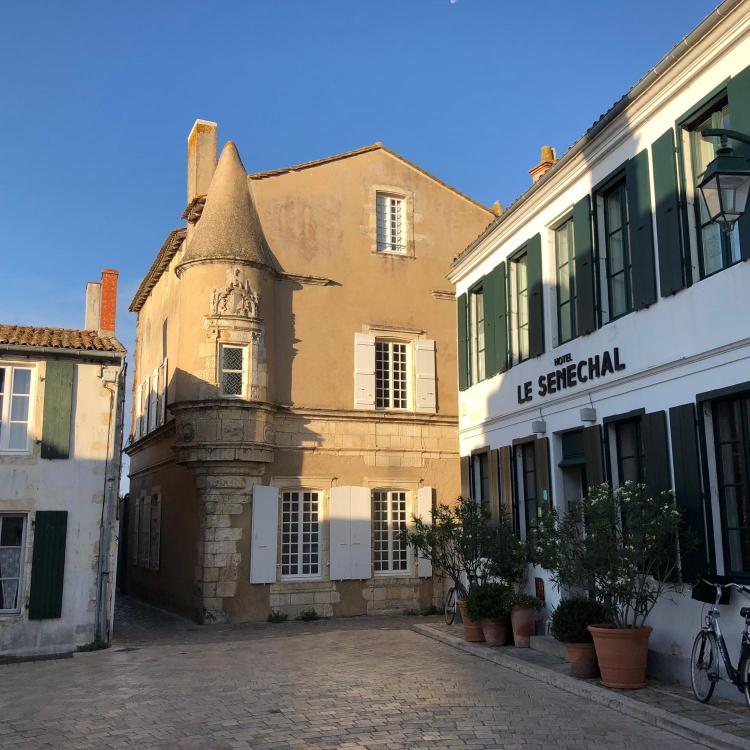
Spread across several historic buildings in artsy Ars-en-Ré, Le Sénéchal cultivates an atmosphere of rustic sophistication—think timeworn stone walls paired with quiet contemporary touches. Flower-filled courtyards lead to a diminutive dipping pool, offering respite from the village's summer bustle. Families seeking space can book one of the houses or apartments; dogs are welcome throughout. A charming base for exploring the island's salt marshes and cycling paths.
Where to Eat

Michelin Selected
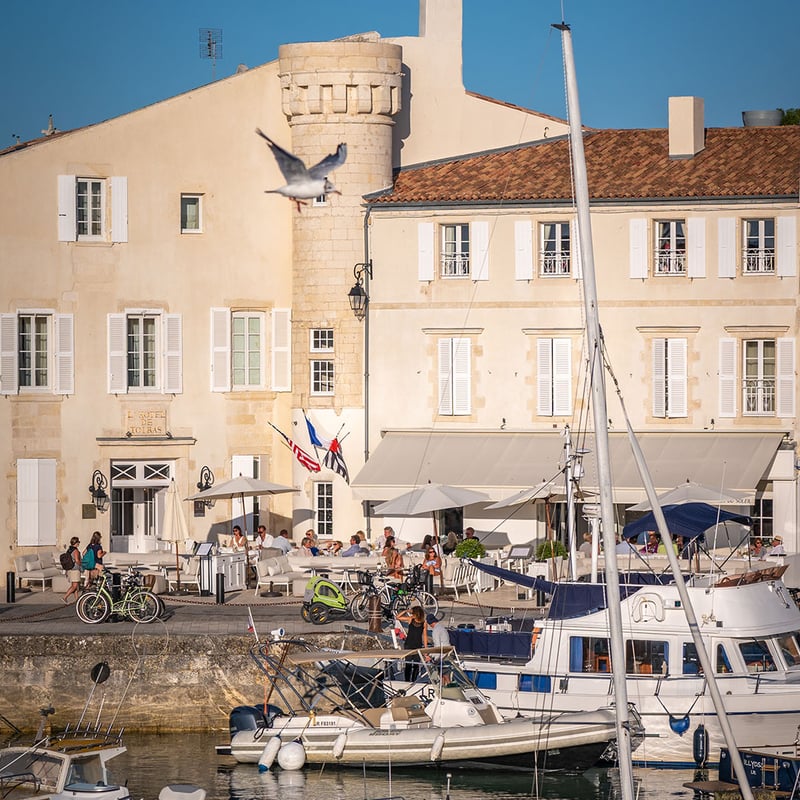
Harbourside tables overlook the fishing boats of Saint-Martin-de-Ré at this polished brasserie inside Hôtel de Toiras. The kitchen applies confident technique to French staples—snails with herbed butter, sole meunière executed with precision—while sharing plates of turbot or aged beef rib anchor longer meals. A lounge terrace and cocktail bar extend the evening; service moves with quiet efficiency throughout.

Michelin Selected
A pocket-sized dining room in La Flotte where intimacy shapes the experience as much as the cooking. The brief menu leans heavily on island seafood—monkfish arrives impeccably timed, matched with chardonnay sabayon and white asparagus. A smartly assembled wine list and small inventive flourishes throughout the meal reward those who appreciate precision without pretense.

Michelin Selected
On Sainte-Marie-de-Ré's market square, Le Chai practices bistronomic cooking with a vegetable-forward philosophy, sourcing from small organic growers across the island. The concise, frequently rotating menu might present a pearlescent slab of haddock or a precisely poached 64°C egg cloaked in creamy mushroom sauce with crispy bacon. Local fish and offal feature prominently, delivering honest, well-executed plates at fair value.

Michelin Selected
Chef Philippe Tredgeu, who honed his craft at Parisian institutions Entredgeu and Les Cocottes, brings metropolitan sophistication to this year-round address on Saint-Martin-de-Ré's old port. His modern cooking favors indulgent preparations—smoked mackerel with leek tempura, richly textured pâté en croûte, veal loaf draped in blanquette sauce—served on a waterfront terrace that rewards leisurely afternoons.
Frequently Asked Questions
What are the main villages to stay in on Île de Ré?
+
Saint-Martin-de-Ré offers the liveliest atmosphere with its harbour-front restaurants and boutiques within seventeenth-century fortifications. La Flotte provides a more intimate alternative with its medieval market and fishing port. Ars-en-Ré and Les Portes-en-Ré at the western tip suit those seeking proximity to wilder beaches and nature reserves.
When is the best time to visit Île de Ré?
+
July and August bring warm weather and the fullest calendar of events, though accommodation books months ahead and villages fill with Parisian holidaymakers. June and September offer excellent conditions with fewer crowds. The island has a microclimate with notably high sunshine hours, making late spring and early autumn genuinely pleasant for cycling and beach walks.
How do you get around the island without a car?
+
Cycling is the preferred mode of transport, with flat dedicated paths connecting all ten villages. Bike rental shops cluster near the bridge and in each village centre. The island measures just five kilometres at its widest point, making any destination reachable within an hour's ride. A seasonal bus service also links major villages from April to September.
Nearby Destinations
Explore France



Ile De Re
Connected to La Rochelle by a graceful three-kilometre bridge, this slender island stretches thirty kilometres through salt marshes, pine forests, and villages where whitewashed walls meet green shutters. Saint-Martin-de-Ré, the fortified capital with Vauban ramparts, concentrates the island's most refined addresses around its horseshoe harbour. Further west, La Flotte preserves a medieval market hall and quieter pace, while Ars-en-Ré's black-and-white church spire has guided sailors since the fifteenth century.
The island operates on tidal rhythms: oyster farmers work the flats at dawn, cyclists fill the seventy kilometres of bike paths by mid-morning, and by evening the quaysides transform into extended apéritif sessions. Hotels here range from converted salt merchants' houses to contemporary properties overlooking the dunes of Trousse-Chemise. Restaurants favour the local catch — bar de ligne, sole, and the island's celebrated potatoes grown in the salty soil. The season runs intensely from June through September, though spring and autumn reveal a quieter island of migratory birds and empty beaches.