


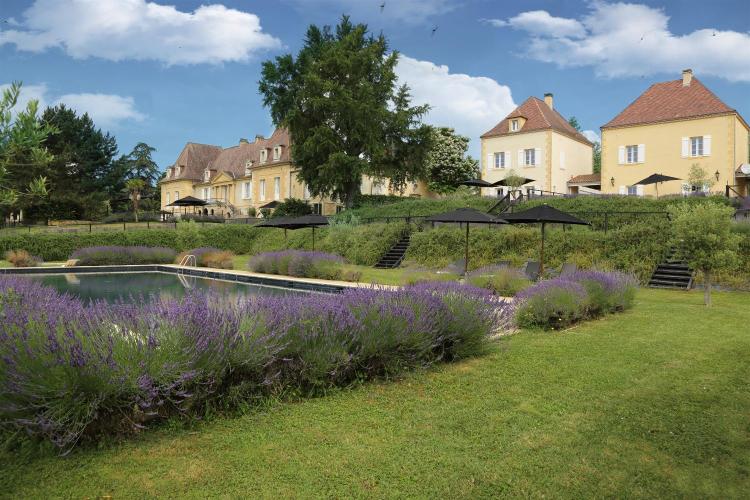
Behind the 17th-century stone façade of Château Les Merles lies a strikingly modern interior that has earned a following among local style-setters. The restaurant's brazenly open kitchen delivers contemporary French cuisine with theatrical flair, while an on-site golf course provides leisure between meals. Families appreciate the two-bedroom apartment with private garden; design-conscious couples favor the sleek main rooms.
Bergerac Travel Guide: Best Hotels, Restaurants & Experiences 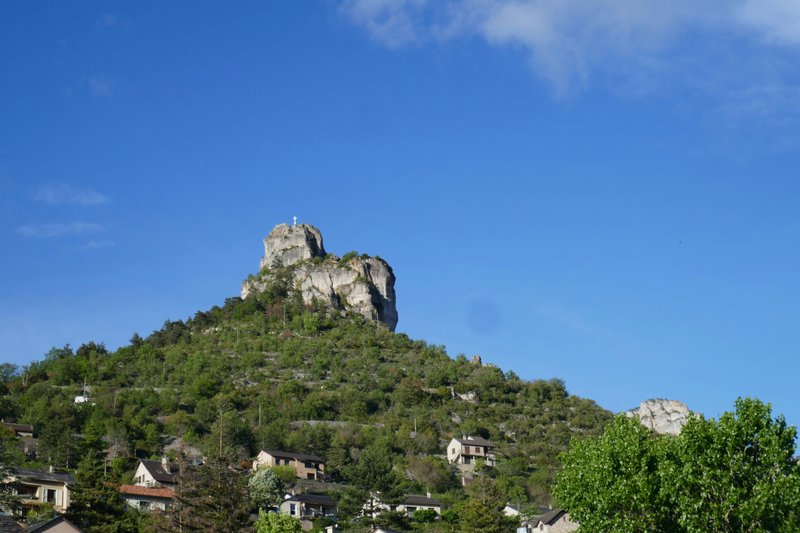
Explore Bergerac
Hotels (1)
Restaurants (6)
Where to Stay
Where to Eat

★ Michelin
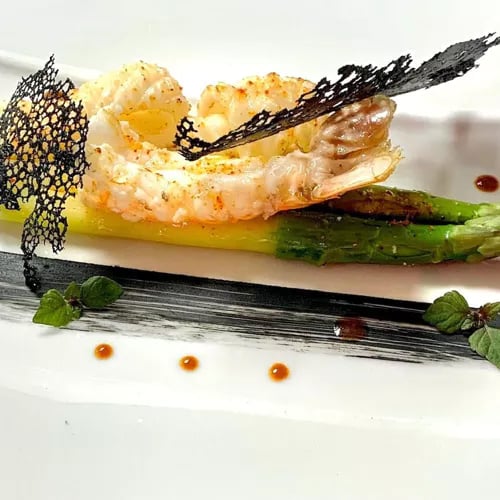
Perched among Bergerac's vineyards beside a historic windmill, La Tour des Vents commands sweeping views that frame Chef Damien Fagette's one-starred cuisine. His kitchen draws deeply from Périgord's larder—Blonde d'Aquitaine beef, free-range chicken, foie gras—crafting dishes like langoustine tartare with spicy lemongrass jus and green asparagus. The warm Grand Marnier soufflé provides a meticulously executed finale to this hilltop gastronomic experience.

Bib Gourmand
A husband-and-wife operation on the outskirts of Sainte-Foy-la-Grande, Côté Bastide pairs Laurence's seasonal cooking with Cédric's deep knowledge of Bordeaux wines. The Bib Gourmand distinction confirms what regulars already know: this bistronomic table delivers serious gastronomy at accessible prices. Expect market-driven dishes matched with thoughtfully selected regional bottles in an atmosphere of quiet expertise.

Michelin Selected
For over fifteen years, the same chef has anchored this medieval stone building in Bergerac's old quarter, producing creative cuisine rooted in regional seasons. The setting shifts with the calendar—a shaded terrace in summer, a vast hearth crackling through winter—while the kitchen delivers dishes like white asparagus panacotta with crab and aïoli, or a chou craquelin perfumed with Timut pepper and basil ganache.

Michelin Selected
A bold red façade marks this street-corner bistro facing Bergerac's covered market, where chef-owner Stéphane Cuzin has held court for years. The sleek, contemporary interior sets the stage for his inventive cooking—expect veal accented with tonka bean, asparagus lifted by cumin, spinach deepened with coffee. Each dish reflects the morning's market finds, transformed through unexpected spice pairings into something quietly surprising.

Michelin Selected
Thierry Marx brings his playful reinvention of French classics to this chic bistro anchored within the Les Verdots wine estate. Vineyard panoramas unfold from a travertine terrace, while inside, dishes like duck confit with lentils dressed in mustard vinaigrette showcase the chef's talent for upending tradition with precision. The concise wine list naturally favors estate bottles and regional appellations.

Michelin Selected
A twenty-minute drive from Bergerac, this stone building beside Saussignac's château houses a kitchen fluent in multiple culinary dialects. The dining room pairs regional character—exposed stone, hardwood floors, whitewashed beams—with modern accents, while a wooden terrace extends the experience outdoors. Seasonal plates arrive vivid and inventive: confit turkey leg with corn-bacon sauce demonstrates the chef's knack for rooting creativity in local tradition.
Frequently Asked Questions
Which Bergerac wine appellations should visitors explore?
+
The region produces both reds and whites across thirteen AOCs. Monbazillac, visible on the hillside south of town, makes golden dessert wines from botrytized grapes. Pécharmant, to the east, produces structured reds from Merlot and Cabernet. The Maison des Vins on Quai Salvette provides an introduction to all local appellations with daily tastings.
What are the best markets in Bergerac?
+
The main market fills the covered hall and surrounding streets on Wednesday and Saturday mornings. Producers sell Périgord walnuts, local cheeses, foie gras, strawberries in spring, and cèpes in autumn. A smaller organic market operates on Saturdays at Place du Docteur Cayla. In summer, evening farmers' markets appear along the quays.
How does Bergerac connect to the Cyrano de Bergerac story?
+
The historical Cyrano de Bergerac never actually visited — he was a Parisian writer whose family name came from a small estate near Paris. Edmond Rostand's 1897 play made the name famous, and the town has since embraced the connection. A bronze statue stands in Place de la Myrpe, and the Maison des Vins occupies a building decorated with scenes from the play.
Nearby Destinations
Explore France


Bergerac
The Dordogne River curves through this medieval trading port, its stone quays lined with half-timbered houses that once belonged to wine merchants. The old town climbs from Place Pélissière toward the church of Saint-Jacques, a stop on the pilgrimage route to Compostela. Narrow streets open onto small squares where café terraces fill on market days — Wednesday and Saturday mornings bring producers from across the Périgord Pourpre, the purple Périgord named for its vineyards.
Bergerac sits at the center of thirteen appellations, from the sweet whites of Monbazillac on the south-facing slopes to the reds of Pécharmant east of town. The Maison des Vins opposite the old port offers tastings from local estates. Restaurants here work with the Dordogne's larder: foie gras, walnuts, black truffles in season, and river fish. The town remains refreshingly unhurried, a working agricultural center rather than a tourist set piece, though the statue of Cyrano in Place de la Myrpe nods to its most famous literary association.