


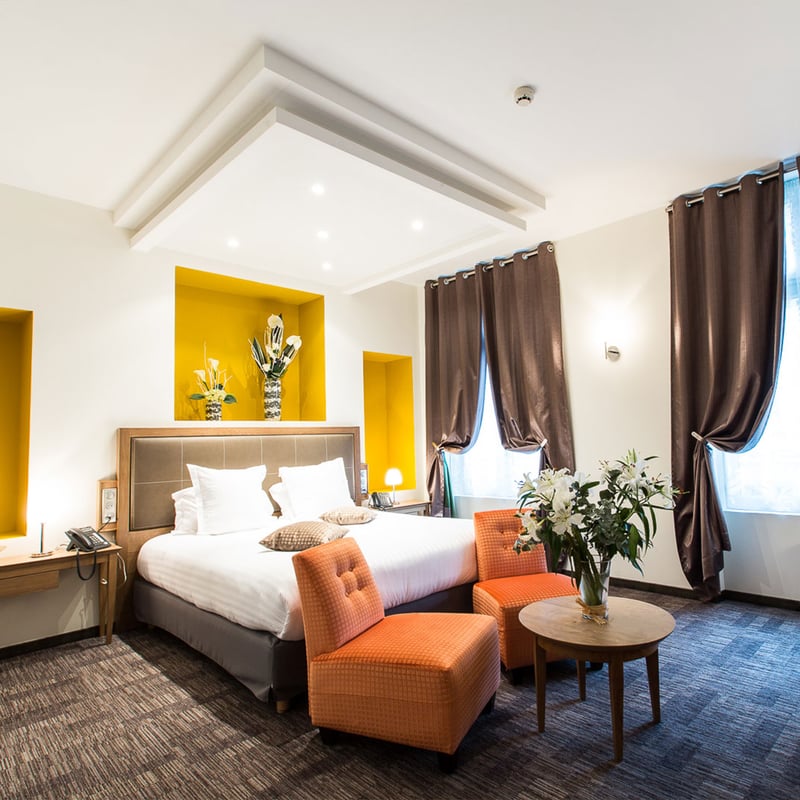
A striking architectural dialogue defines Marotte: the ornate classical Old House, with its historic detailing and contemporary interiors, connects to the Cube, an ultra-modern wing housing three vast suites with private spas and saunas. The penthouse meets low-energy housing standards without sacrificing luxury. A full spa and restaurant complete the offer, while Amiens Cathedral and Jules Verne's house lie steps away.
Amiens Travel Guide: Best Hotels, Restaurants & Experiences 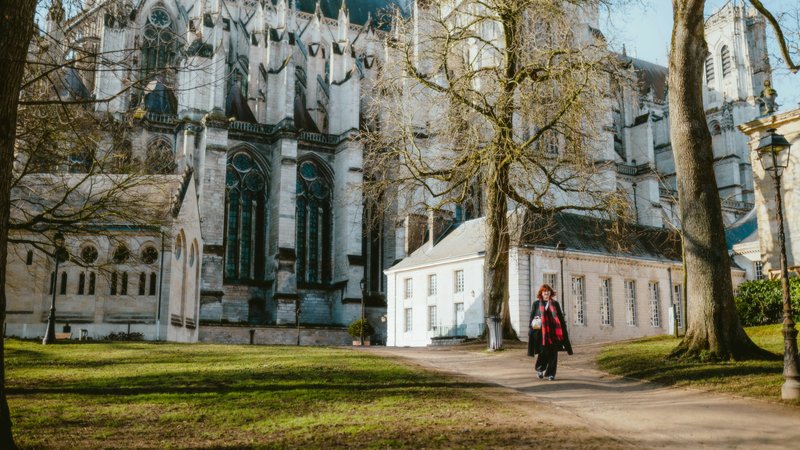
Explore Amiens
Hotels (1)
Restaurants (5)
Where to Stay
Where to Eat

Michelin Selected
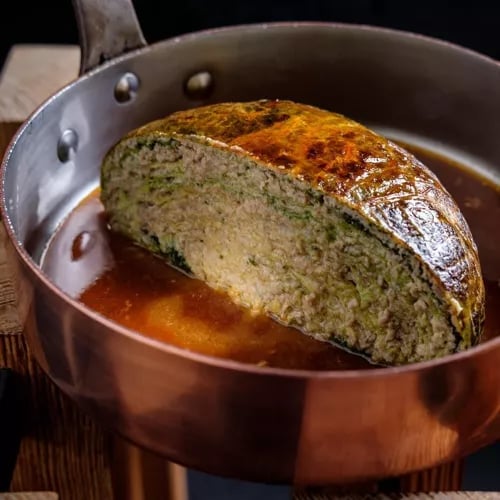
Chef Éric Boutté's kitchen honors Picardy through a modern lens, most famously in his signature cabbage—each leaf individually stuffed with meticulous care. The dining room itself pays tribute to local heritage, its walls dressed in waide blue, the historic regional pigment, set against raw concrete. Marinated scallops arrive on butternut purée, finished with smoked herring roe, demonstrating the chef's confident seasonal approach at accessible prices.

Michelin Selected
Chef Frédéric Barette draws on three decades of experience—including formative years with starred kitchens—to craft assured French cooking with modern flourishes. A blind tasting menu in up to seven courses rewards the adventurous, while the carte delivers robust classics: lièvre à la royale, crispy sweetbreads with mustard sabayon, civet de sanglier. The wine list favors unconventional bottles, and a colorful local fresco enlivens the contemporary dining room near the cathedral.

Michelin Selected
Chef Stéphane Bruyer, named ambassador of Hauts-de-France gastronomy, leads this Michelin Plate address near Amiens cathedral with quiet conviction. His cooking channels northern France's terroir—game, wild mushrooms, root vegetables—through daily-changing menus shaped by market finds and instinct. The contemporary dining room, dressed in green walls and turquoise banquettes with an open kitchen, draws local food lovers seeking refined, produce-driven cuisine.

Michelin Selected
A former humanitarian worker turned chef, Thomas Dupont trained under Cyril Lignac and Hélène Darroze before earning a Gault & Millau Young Talent toque with his debut restaurant near Amiens cathedral. The concise carte champions radical locavorism—vegetables from the Hortillonnages islets, saltmarsh lamb from Baie de Somme, Goodfish-certified catch—yielding dishes like foie gras pressed with smoked eel and classic lièvre à la royale.

Michelin Selected
Just outside Amiens in Dury, this pretty inn operates on a refreshingly simple premise: diners select how many courses they want, then surrender to the young chef's imagination. His cooking leans bold, assembling unexpected flavor combinations that cut against the grain of regional tradition. The adjacent takeaway shop extends his repertoire beyond the dining room, offering the same inventive dishes for home.
Frequently Asked Questions
What makes Saint-Leu the main dining district in Amiens?
+
Saint-Leu occupies a network of canals north of the cathedral where medieval textile workshops have been converted into restaurants and wine bars. The quarter's narrow streets and waterside terraces concentrate the city's chef-driven bistros, with many sourcing produce directly from the hortillonnages — the floating market gardens a few hundred metres upstream.
When is the best time to visit the hortillonnages?
+
The floating gardens are most productive from late April through October, when market gardeners sell directly at Saturday's marché sur l'eau in Saint-Leu. June offers the widest variety of heritage vegetables, while September brings the annual Fête des Hortillonnages with decorated barques and extended garden access by punt.
How far is Amiens from Paris and the Somme coast?
+
Direct trains from Paris Gare du Nord reach Amiens in just over an hour. The Baie de Somme — France's largest estuary, known for its seal colonies and salt-marsh lamb — lies 70 kilometres west, about an hour by car through the villages of the Ponthieu.
Nearby Destinations
Explore France



Amiens
The tallest Gothic cathedral in France anchors this Picardy capital, its western façade a gallery of medieval polychrome sculpture that draws architecture pilgrims year-round. Below, the Saint-Leu quarter threads narrow canals lined with timber-framed houses — a district once home to tanners and dyers, now given over to chef-driven bistros and wine bars occupying converted workshops. The Somme's hortillonnages, a lattice of floating market gardens worked since the Roman era, supply local kitchens with vegetables you won't find elsewhere: marsh samphire, red-stemmed chard, heritage lettuces cut that morning.
The city's hotel scene clusters between the railway station and the cathedral parvis, with several addresses occupying Belle Époque townhouses whose original floors and ironwork survive. Dining runs from Michelin-recognised tables along the quays to neighbourhood estaminets serving ficelle picarde and flamiche au Maroilles — Picardy comfort cooking at its most direct. Thursday and Saturday markets fill Place Parmentier with regional cheeses, Baie de Somme lamb, and cider from the Thiérache orchards an hour east.