Bernard Korak honed his craft under Ana Roš and Massimo Bottura before returning to the Plešivica wine hills, where his family's vineyards and centuries-old linden trees frame outdoor tables in summer. The blind tasting menu—eight courses rooted in radical seasonality—moves from a single dressed radicchio leaf to frog legs on spicy almond cream, each dish a quiet demonstration of sustainable, terroir-driven cooking that earned a Michelin star and Green Star alike.
Noel earns its Michelin star through rigorous seasonal logic: winter menus spotlight truffles and game, while spring celebrates tender early vegetables. The kitchen's zero-waste commitment shapes every dish, from classic preparations to inventive modern plates. Beyond an exceptional wine selection spanning Italian regions and beyond, guests may opt for tea pairings drawn from China, Japan, and Morocco—an uncommon refinement alongside house-baked bread.
Behind a doorbell on Masarykova Street, chef Tvrtko Šakota runs an intensely personal five-table dining room where the open kitchen doubles as theatre. Ingredients arrive from the restaurant's own farm forty kilometers outside Zagreb, appearing in surprise tasting menus that champion small-scale biodynamic producers and traditional oven cookery. The progression through Croatian terroir concludes with Salenjaci, a regional dessert worth the advance booking required.
Within the grand 1925 Hotel Esplanade, chef Ana Grgić has spent a decade refining her vision of French cuisine through a distinctly Mediterranean lens. Her kitchen prioritizes Croatian seasonal produce, earning a Michelin Green Star for its sustainable approach. The result is cooking that feels both rooted and inventive—ideal for travelers seeking a refined evening in Zagreb's most storied dining room.
A one-starred table set within Zagreb's woodland periphery, Dubravkin Put draws diners seeking Mediterranean refinement away from urban clamor. The kitchen excels with raw fish preparations—sea bass carpaccio brightened by beetroot—alongside premium proteins like Kobe beef and herb-crusted Pag island lamb. The signature Louis XV chocolate with foie gras ice cream closes meals before guests wander forest paths filled with birdsong.
Two decades of culinary evolution have shaped this contemporary bistro on Zagreb's leafy outskirts into a destination for refined grill cookery. The kitchen reimagines Croatian classics through a Mediterranean lens, with particular strength in meat preparations—the shredded lamb with artichoke cream, cinnamon demi-glace, and baked radicchio exemplifies this approach. A generous terrace rewards warm-weather visits with tranquil garden views.
Tucked within a tranquil courtyard off Zagreb's center, this family-run address delivers seafood preparations with Mediterranean warmth and Italian finesse. The kitchen crafts all pasta in-house, pairing dishes with a European wine selection of genuine depth. Elegant yet unpretentious, the room rewards those who linger—particularly for the accomplished desserts that close each meal with quiet confidence.
Beyond Zagreb's historic center, ManO2 operates at the intersection of Japanese technique and Croatian terroir. The kitchen excels with premium grilled cuts, though the venison fillet—paired with black cabbage cream, blackcurrant sauce, and caramelized shallots—remains the signature worth ordering. Five- and eight-course tasting menus offer structured exploration, while a front terrace provides agreeable outdoor dining in warmer months.
A steady clientele of regulars speaks to Mon Ami's consistent kitchen, where fish preparations follow traditional recipes designed to showcase ingredient quality rather than technique. The grilled salmon steak—paired with teriyaki sauce and celery purée—has become a signature worth the short trip from Zagreb. Land-based dishes balance the menu, and a compact terrace opens in warmer months for unhurried meals.
A living wall of plants and flowers greets diners at this Mediterranean table on Tkalčićeva Street, a botanical tribute to the Medvednica mountains that shape the kitchen's philosophy. Local, largely organic ingredients arrive in vibrant compositions balancing sweet, acidic, and bitter notes—the Acquerello rice risotto a particular standout. Croatian wine pairings, guided by an attentive sommelier, complete the experience.
Frequently Asked Questions
Which Zagreb neighborhoods offer the most distinctive hotel experiences?
+
Gornji Grad (Upper Town) appeals to those seeking historic atmosphere — expect converted heritage buildings within walking distance of St. Mark's Church and the Lotrščak Tower. The Lower Town around Zrinjevac Park and the Art Pavilion suits travelers who prefer proximity to museums, theaters, and café culture. For quieter stays, the residential streets near the Botanical Garden offer proximity to the center without the foot traffic.
What defines Zagreb's restaurant culture compared to coastal Croatia?
+
While the Dalmatian coast emphasizes grilled fish and olive oil simplicity, Zagreb's kitchens draw from continental traditions — slow-cooked meats, game dishes, freshwater fish from the Sava, and rich dairy-based preparations like the city's signature štrukli. The Austrian and Hungarian influences remain visible in the pastry shops and the institution of afternoon coffee. Many restaurants now blend these traditions with contemporary technique, sourcing from the Dolac market vendors whose families have supplied Zagreb's tables for decades.
When is the best time to visit Zagreb for food and cultural experiences?
+
Late spring brings outdoor dining to Tkalčićeva and the café terraces without summer's heat. Autumn offers the theater and concert season in full swing, plus seasonal ingredients like truffles from Istria and game from the Zagorje hills. The Advent market transforms the city center from late November through early January — it's become one of Europe's most atmospheric winter destinations, with mulled wine stalls and open-air concerts drawing locals and visitors alike to the main squares.
Nearby Destinations
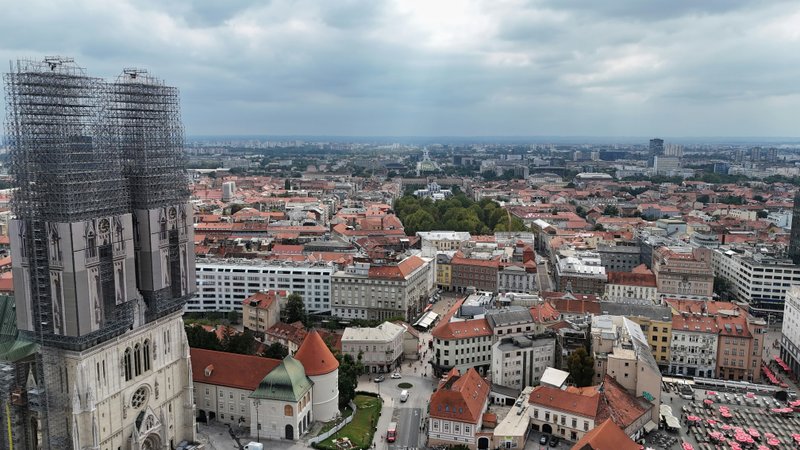
Explore CroatiaZagreb rewards those who take time to understand its rhythms. The Upper Town's cobbled streets and gaslit Strossmayer Promenade set a contemplative pace, while the Lower Town — laid out in the Austro-Hungarian grid pattern — pulses with the energy of Ilica's shopping arcades and the grand squares around the Croatian National Theatre. Hotels here tend toward character over scale: converted townhouses in Gornji Grad, design-forward properties near the Art Pavilion, and quiet retreats in the leafy residential districts toward Maksimir Park.
The dining scene reflects Zagreb's position between Central European heartiness and Mediterranean lightness. Traditional peka dishes and strukli share menus with contemporary Croatian cuisine built on Adriatic seafood and Slavonian charcuterie. Tkalčićeva Street draws evening crowds to its narrow run of wine bars and bistros, while the Dolac market — perched above Ban Jelačić Square — anchors the city's food culture with vendors who've traded here for generations. Come autumn, the aroma of roasted chestnuts and štrukli from bakery windows sets the city's seasonal tone.