Overlooking Legrad's main square beside the village church, this Bib Gourmand restaurant serves Croatian and Central European cooking built on local ingredients and honest technique. The signature Royal Blade—a generous spread of grilled chicken, beef, pork, and veal accompanied by roasted peaches and tomato-chili sauce—captures the kitchen's confident, unfussy approach. Summer evenings on the spacious terrace draw both travelers and cyclists completing the renowned local route.
Perched on a hilltop in the Zagorje countryside mere minutes from Zagreb, this Bib Gourmand restaurant honors regional cooking with conviction. The fragrant Zagorska soup—rich with mushrooms and bacon—anchors a menu of roast veal and ricotta strudel, while homemade ice creams close each meal. The wine list draws exclusively from the family's own vineyards, making every bottle a local story.
A late-nineteenth-century house draped in garden greenery, with a fountain murmuring beside a small stream, sets the stage for this family-run table. The owner-chef prepares regional Croatian fare—stuffed pasta to start, robust beef and lamb as centerpieces—matched with local wines. The meal closes with gibanica, a layered pastry of fresh cheese, egg, and pumpkin that captures Zagorje's pastoral heritage.
Surrounded by the vineyard slopes of Zagorje, this grill-focused restaurant draws on Croatia's rural traditions with confident simplicity. The kitchen excels at charred cuts of meat, particularly the signature Hussar's Steak—a robust plate of beef crowned with house-cured bacon, smoked ham, onion, and red chili. When weather permits, the large outdoor gazebo offers leisurely lunches with sweeping views across the vine-covered hills.
Frequently Asked Questions
What is the best way to explore the castles and manor houses of Zagorje?
+
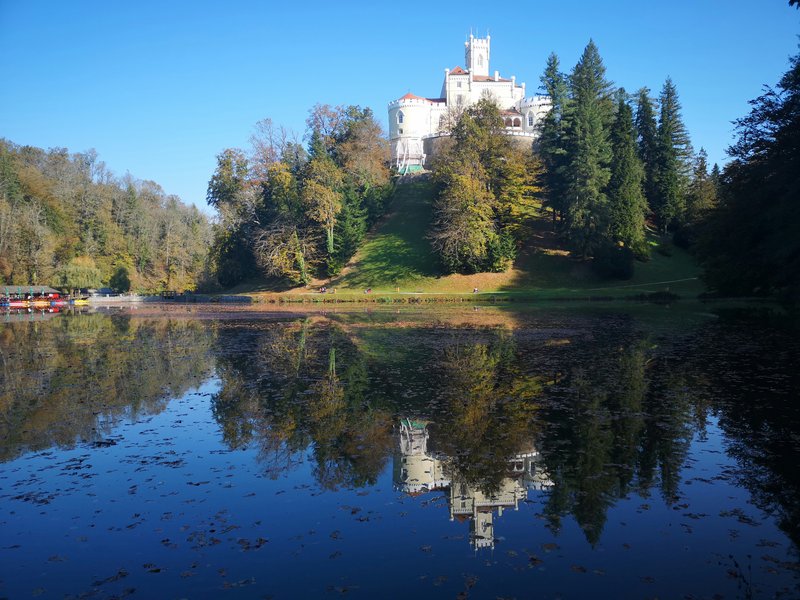
A car provides the most flexibility for visiting scattered sites like Trakošćan Castle, Veliki Tabor, and the lesser-known Baroque manors between villages. The winding roads through vineyard-covered hills are part of the experience, and many estates operate as small hotels or restaurants where you can stop for lunch or an overnight stay.
When do the thermal spas in Zagorje operate, and are reservations needed?
+
The thermal spa complexes operate year-round, with some hotels offering private pools and wellness facilities alongside public bathing areas. Weekend visits during winter months and summer holidays see higher demand — booking spa treatments and accommodation several days ahead is advisable during these periods.
What regional dishes should visitors seek out in Zagorje?
+
Zagorski štrukli — rolled dough filled with fresh cheese, baked or boiled — appears on nearly every menu and varies by household recipe. Look also for purica s mlincima (turkey with baked flatbread), game dishes featuring deer and wild boar during autumn, and local honey and pumpkin seed oil from farm stands.
Nearby Destinations
Explore CroatiaThe rolling green hills north of Zagreb have drawn Austro-Hungarian aristocrats, Croatian artists, and wellness seekers for centuries. Baroque manor houses dot the landscape between Krapina and Varaždin, many now converted into small hotels where guests wake to views of medieval fortresses perched on wooded ridges. The region's thermal springs — particularly around Stubičke and Krapinske Toplice — have anchored a quiet hospitality tradition since the 19th century.
Dining here follows the rhythms of the countryside. Farmhouse restaurants serve štrukli fresh from wood-fired ovens, wild game prepared according to recipes passed through generations, and wines from the steep slopes of the Plešivica and Međimurje appellations. The cooking is hearty, rooted in Central European tradition but increasingly refined by young chefs returning from Zagreb and Vienna. Markets in Krapina and the smaller villages still operate on weekly schedules, and the best tables source directly from producers within a few kilometers.