


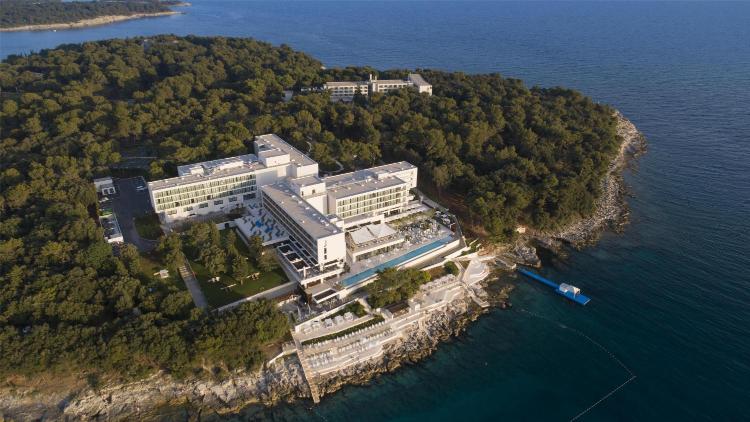
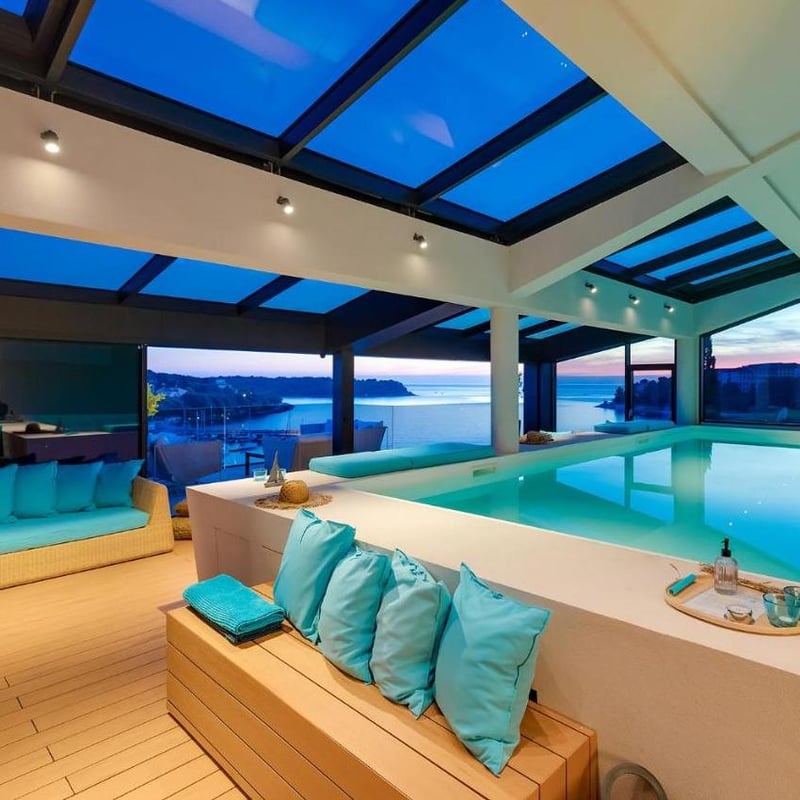
Perched on Verudela's pine-fringed rocky coastline, this 227-room property underwent a comprehensive transformation in 2022 that preserved its coastal grandeur while adding contemporary polish. The infinity pool commands sweeping Adriatic views, while a spa with indoor pool and three restaurants provide ample reason to linger. Suites and interconnecting rooms accommodate families; year-round operation suits business travelers equally.
Pula Travel Guide: Best Hotels, Restaurants & Experiences 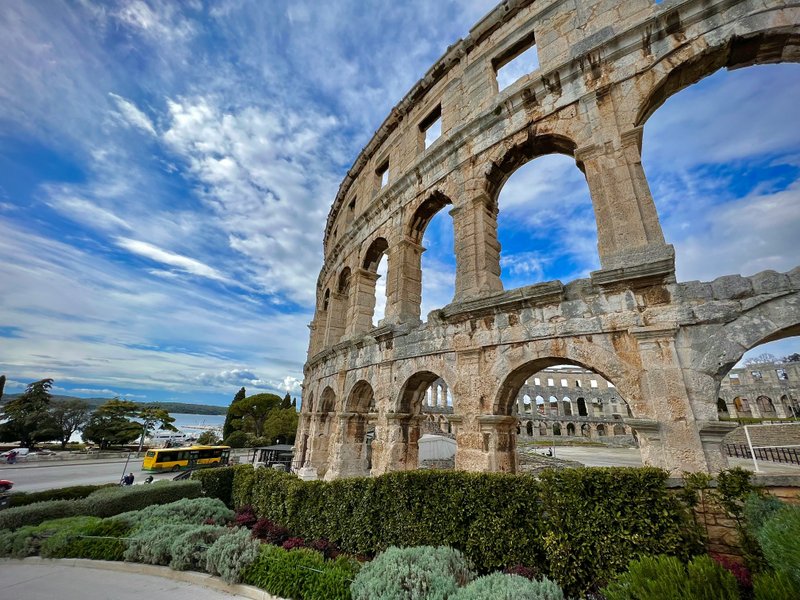
Explore Pula
Hotels (2)
Restaurants (2)
Where to Stay

Fifty feet from the Adriatic in a secluded bay outside Pula, this eleven-room property has cultivated a devoted following through its proprietor-designed interiors and unhurried coastal atmosphere. A heated outdoor pool faces the sea, while a compact spa delivers quasi-medical wellness treatments. Two bars—one poolside, one directly on the beach—keep guests supplied with drinks and light fare from morning until evening.
Where to Eat

Bib Gourmand
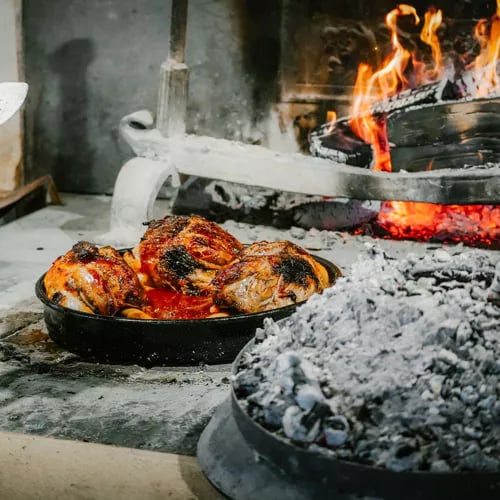
Beneath heavy wooden beams and beside a working fireplace, this Bib Gourmand konoba delivers Istrian cooking at its most generous. The kitchen's centerpiece is veal slow-roasted under the traditional peka bell, emerging tender from hours over embers. Portions are robust, flavors direct and fragrant, the menu firmly meat-focused. To finish: Čokooliva, a clever construction of vanilla ice cream, dark chocolate, crushed peanuts, and a surprising base of house-pressed olive oil.

Michelin Selected
Danilo Skoko fishes his own waters off southern Istria, then cooks the catch at this two-decade-old konoba where seasonality dictates everything. The ritual begins with an appetizer spread featuring offal alongside prime cuts in inventive preparations, followed by Mediterranean pastas. For the main event, the day's haul arrives tableside on a platter—diners point, the kitchen fires.

Michelin Selected
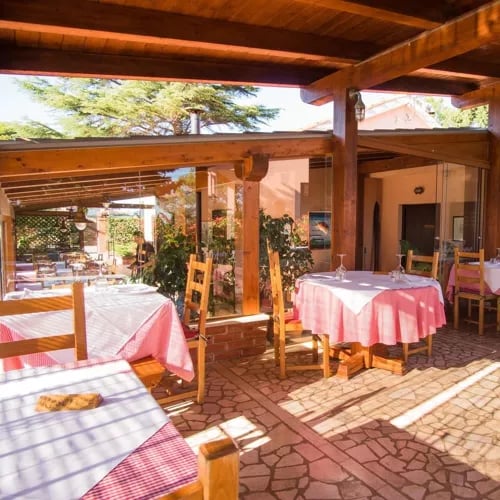
A century-old address overlooking Marina Veruda, Ribarska Koliba channels the Adriatic through Mediterranean plates built on impeccably fresh fish and seafood—the bouillabaisse alone warrants the visit. Pasta starters precede the day's catch, served either inside beneath an unexpected vintage Triumph Spitfire or on the summer terrace where yacht masts frame the horizon. Unhurried coastal dining at its most authentic.
Frequently Asked Questions
Which neighborhood in Pula is best for walking to the Roman Arena and Old Town?
+
The historic center around Forum square and the Giardini quarter offer immediate access to the Arena, Temple of Augustus, and the main pedestrian streets. Properties here tend toward smaller boutique formats in restored Austro-Hungarian buildings, with restaurants and bars within a few minutes' walk.
What is the Verudela peninsula and why do travelers stay there?
+
Verudela sits three kilometers south of the Old Town, a forested headland with rocky coves and beach clubs. Resort-style properties here offer sea views, swimming access, and quieter surroundings while remaining connected to the center by regular bus service and a pleasant coastal path.
When is the best season to visit Pula for cultural events?
+
July and August bring the Pula Film Festival and concert series staged inside the Roman Arena — the acoustic experience of a two-thousand-year-old venue is remarkable. June and September offer warm swimming weather with thinner crowds, while spring suits those focused on Istrian food and wine touring.
Nearby Destinations
Explore Croatia



Pula
The Roman Arena dominates the skyline here, a first-century amphitheater that still hosts summer concerts and film festivals. Below its weathered limestone tiers, the Giardini quarter spreads along the harbor, where Austro-Hungarian townhouses have been converted into intimate guesthouses. The Riva promenade curves past fishing boats and café terraces toward Verudela peninsula, home to most of the resort properties with direct sea access and pine-shaded grounds.
Istrian cuisine shapes the dining scene — hand-rolled fuži pasta, white truffles from Motovun forests, olive oils that rival Tuscan estates. The Forum, a working Roman square anchored by the Temple of Augustus, hosts the morning market where local producers sell sheep's cheese and Malvasia wines. Side streets off the Sergijevaca pedestrian artery hold wine bars in vaulted cellars and trattorias unchanged since the Yugoslav era. The fishing village of Fažana, ten minutes north, supplies the restaurants with daily catches and serves as the departure point for Brijuni National Park.