


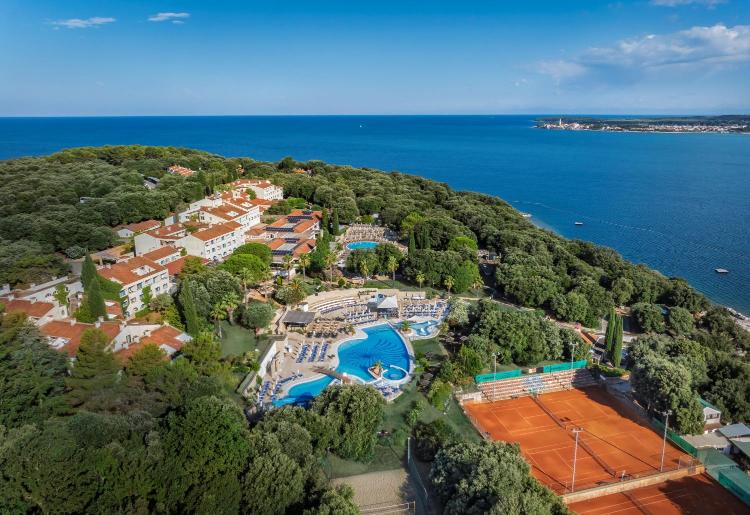
Four decades of hospitality have shaped this all-inclusive retreat on a pine-fragrant Adriatic peninsula near Poreč. Families gravitate toward the Maro Club, where trained educators supervise age-specific programs from infant care through teen activities, while a dozen outdoor play parks and a resort-circling mini train keep children entertained between meals. The herb-scented grounds and comprehensive dining inclusions suit those preferring a self-contained seaside escape.
Poreč Travel Guide: Best Hotels, Restaurants & Experiences 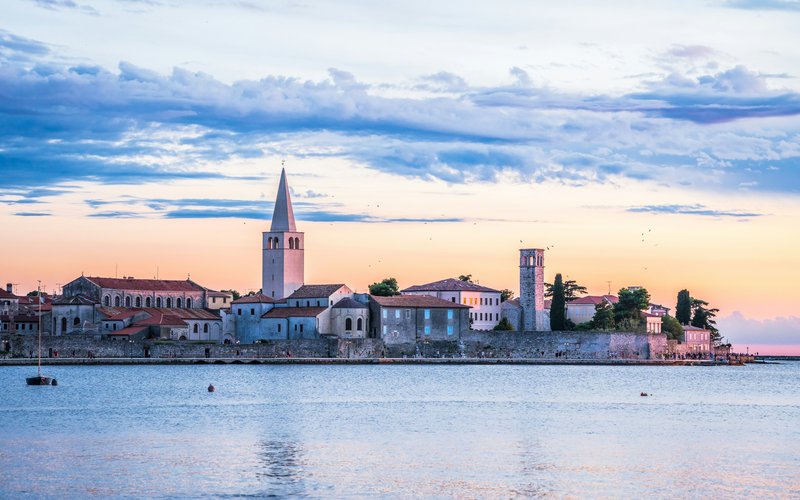
Explore Porec
Restaurants (4)
Where to Stay

Small Luxury Hotels
Reconstructed as an Italian villa with wrought-iron balconies facing the Adriatic, this adults-only retreat in Novigrad offers just 16 rooms with parquet floors and the palatial Bel Etage suite. The 'Chemistry' restaurant and 'Potions' bar pay tribute to the building's 19th-century Venetian pharmacist owner. Staff arrange truffle hunts and wine tours across Istria, while day trips to Poreč's Byzantine mosaics remain effortless.
Where to Eat

Michelin Selected
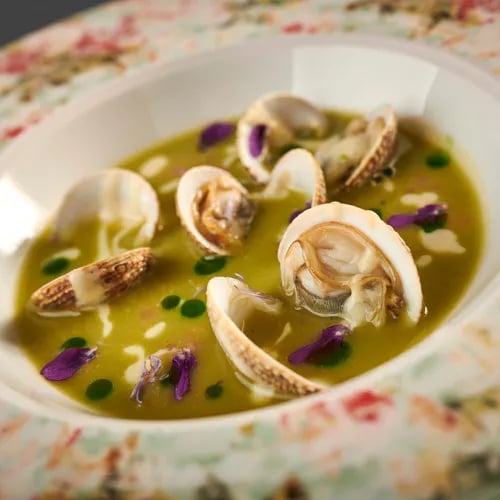
Seafood defines every plate at Badi, where traditional Istrian cooking favors restraint over elaboration. The kitchen builds its reputation on impeccably sourced fish prepared with deliberate simplicity—scampi appears throughout the menu, while the signature "na buzaru" preparations let white wine, garlic, and parsley do the quiet work. The house soup and breaded sea bass reward diners seeking honest, unadorned coastal cooking.

Michelin Selected
This family-run address in Novigrad has built its reputation on raw marinated fish—scampi, prawns, squid, cuttlefish, sole—prepared with unwavering attention to ingredient quality. The menu, recited tableside rather than printed, changes with the catch, ensuring nothing but the freshest seafood reaches the plate. A warm, unpretentious atmosphere and creative preparations make this an essential stop along the Istrian coast.

Michelin Selected
Three decades of Istrian tradition fill this rustic country house outside Umag, where the kitchen builds generous plates around regional treasures: langoustine and scallops from the Adriatic, Boscarin beef from local pastures, cured ham and earthy truffles from the surrounding hills. The atmosphere stays pleasantly informal, service warm and unhurried—a farmhouse table for those who want substance over ceremony.

Michelin Selected
Chef-patron Marina Gaši runs this intimate seafood address overlooking Novigrad's small marina, presenting her craft through two tasting formats of six or eight courses. Each plate reflects a contemporary sensibility while honoring the natural quality of pristine ingredients—fish and shellfish handled with precision rather than elaboration. The refined setting and focused format suit guests seeking an unhurried, considered meal on the Istrian coast.

Michelin Selected
A family-run institution in Istria's verdant interior, Morgan earns its Michelin Plate through deeply seasonal cooking that shifts with the landscape. Autumn brings game, wild mushrooms, and prized truffles; spring arrives with tender vegetables and fresh local cheeses. The kitchen's handmade pastas—particularly asparagus ravioli paired with grilled spears—showcase regional tradition, best enjoyed on the terrace overlooking rolling countryside.

Michelin Selected
Stone walls of a former wine cellar set the stage at this Istrian village restaurant, where seasonal cooking draws on the region's finest produce. The kitchen balances meat and fish with a dedicated five-course vegetarian menu, while autumn brings truffles, wild mushrooms, and game to the table. Guests can extend the experience with guided tastings of the estate's own extra-virgin olive oil in an on-site boutique.

Michelin Selected
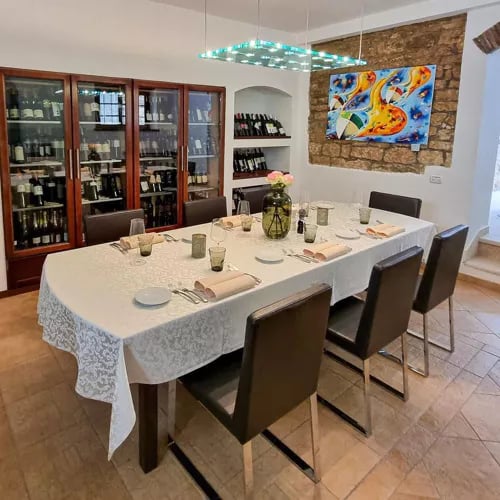
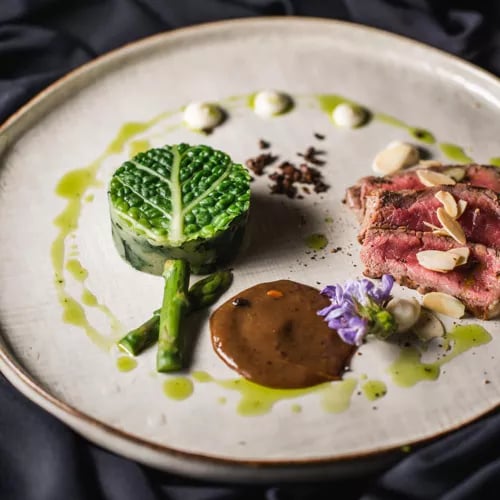
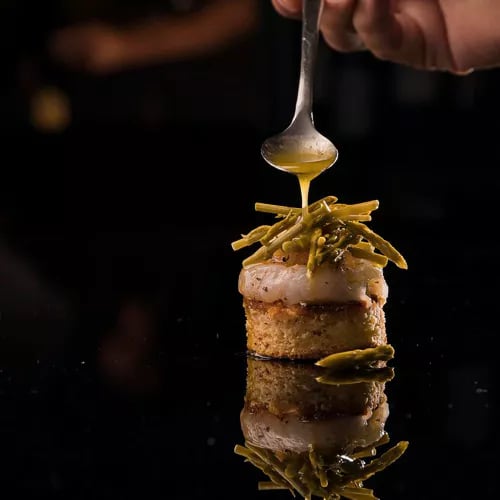
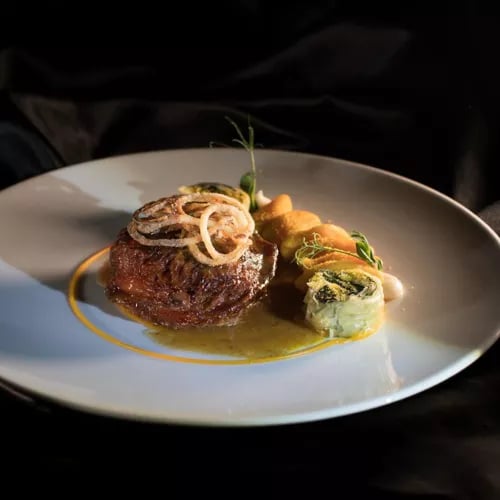
Chef Goran Hrastovčak's contemporary Croatian cooking unfolds through two distinct tasting menus at this harbourside address. Istrian Fables draws on regional tradition while Modern Tales ventures into more inventive territory, both weaving meat and fish courses into a harmonious progression. The wine list opens with Croatian bottles before ranging further afield, with nearly thirty selections poured by the glass—all enjoyed against views of Poreč's marina.
Frequently Asked Questions
When is the best time to visit Poreč for fewer crowds?
+
May and late September offer warm Adriatic swimming temperatures, open-air dining weather, and noticeably fewer visitors than the July–August peak. The Euphrasian Basilica and old town streets feel calmer, and restaurant reservations come easier.
What distinguishes Istrian cuisine in Poreč from other Croatian regions?
+
Istrian cooking draws from both Italian and Central European influences — expect hand-rolled fuži and pljukanci pastas, white truffles from Motovun forests in autumn, and olive oils that rival Tuscan production. Seafood dominates coastal menus, while inland ingredients like wild asparagus appear seasonally.
How accessible is Poreč from major European cities?
+
Pula Airport sits 60 kilometres south with seasonal connections to major European hubs. Many visitors fly into Ljubljana, Trieste, or Venice and drive down the Istrian coast — a scenic route that takes roughly two hours from Trieste.
Nearby Destinations
Explore Croatia



Porec
The Euphrasian Basilica's golden mosaics have drawn visitors since the sixth century, and the town that grew around it still operates on that same pull between sacred art and secular pleasure. Poreč occupies a narrow peninsula on Istria's western coast, its Roman grid of streets — the Decumanus and Cardo Maximus — now lined with Venetian Gothic facades, outdoor restaurants serving fuži pasta with truffles, and wine bars pouring local Malvazija late into the evening. The old town feels walkable within an hour, yet reveals new corners over days.
Beyond the medieval walls, the coastline stretches north toward the Zelena Laguna resort zone and south to quieter coves around Červar-Porat. Hotels here range from converted heritage buildings within the old town to sprawling spa complexes with private beach access. The dining scene leans heavily on Istrian traditions — hand-rolled pasta, olive oil from inland groves, seafood pulled from the Adriatic that morning — served in stone-walled konobas or contemporary terraces overlooking the harbour.