


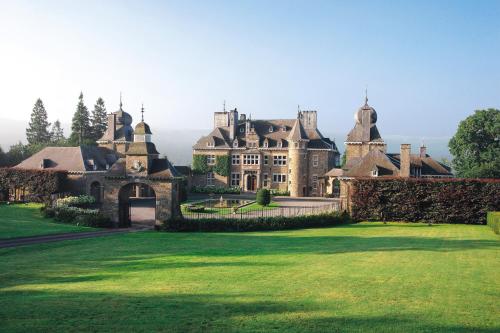
Dubbed the Small Versailles of the Ardennes, this early 20th-century manor commands formal gardens that sweep toward pastoral horizons. The 35 rooms balance period grandeur with contemporary refinement, while a full spa circuit—indoor pool, sauna, jacuzzi, Turkish bath—anchors the wellness offering. The on-site restaurant extends onto a panoramic terrace, serving modern cuisine against the wooded backdrop.
Liège Travel Guide: Best Hotels, Restaurants & Experiences 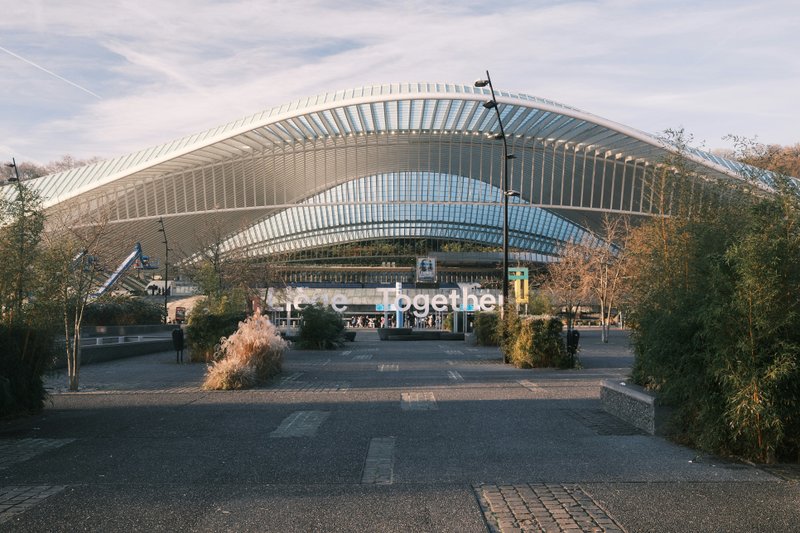
Explore Liege
Hotels (2)
Restaurants (6)
Where to Stay

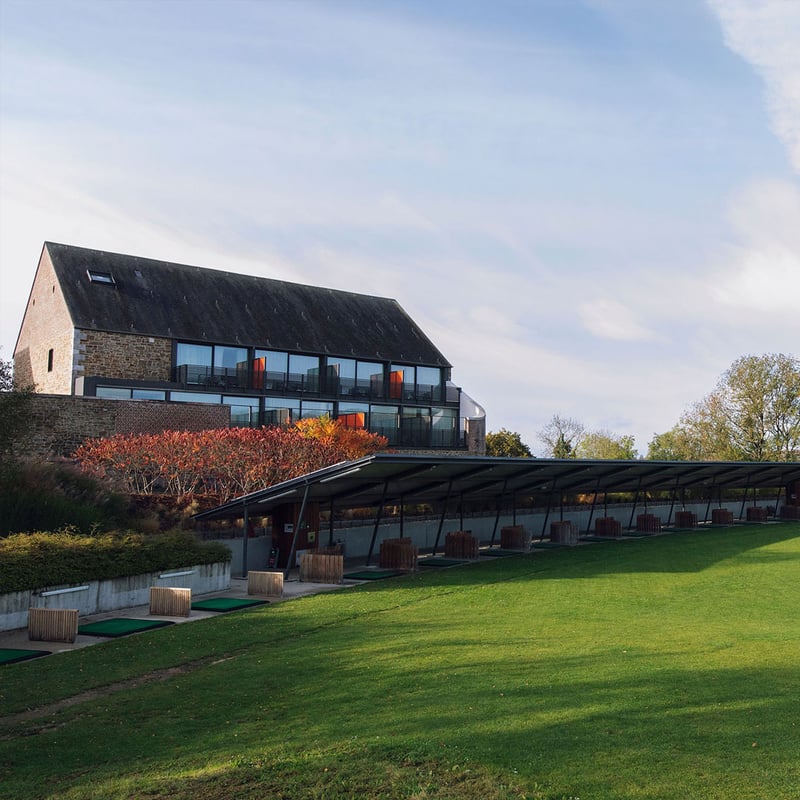
A restored Walloon farmstead perched between the Mehaigne and Meuse valleys, Domaine de Naxhelet preserves weathered timber beams and natural wood parquet beneath its contemporary polish. The Martin Hawtree-designed 30-hole golf course unfolds across the surrounding plateau, while an extensive wellness complex—indoor pool, hammam, hot-spring baths—rewards post-round recovery. La Cuisine draws from estate gardens for seasonal, produce-driven plates.

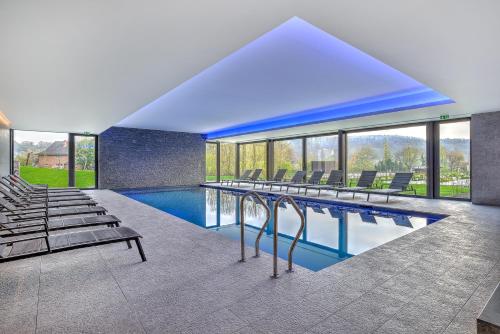
A rural retreat surprisingly close to Liège's urban pulse, R Hotel Experiences balances business efficiency with genuine leisure appeal. The 53 contemporary rooms give way to comprehensive wellness facilities—indoor pool, spa, sauna, and jacuzzi—while families appreciate the on-site bicycle fleet stored in a dedicated basement shop. Golf courses lie within easy reach, adding another dimension to extended stays.
Where to Eat

★ Michelin· Green Star ●
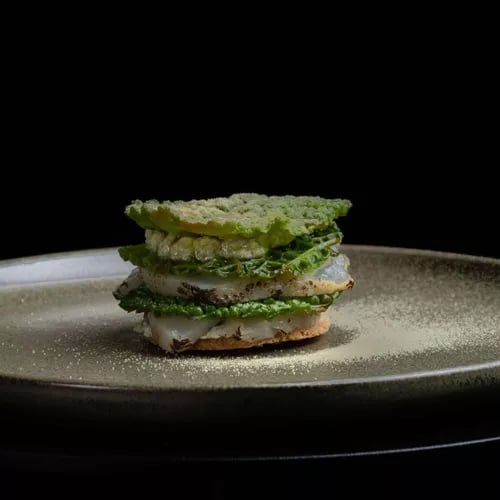
Native son Thomas Troupin has converted an ancient-walled building on Boulevard de la Sauvenière into a sleek one-starred dining room where vegetables take center stage. His kitchen garden supplies the terrace tables, while a fermentation cellar and charcoal oven enable inventive French contemporary cooking. The Green Star signals a commitment to sustainability as rigorous as the technique.

★ Michelin
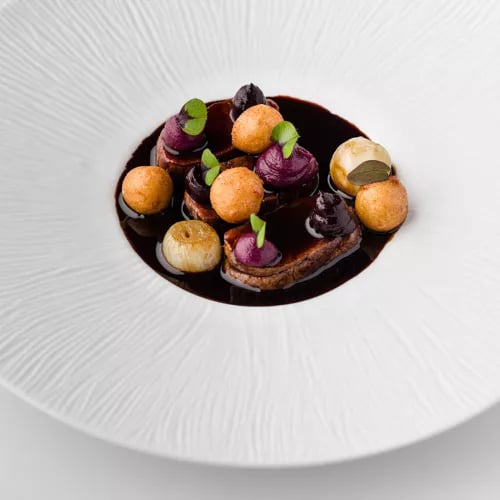
A small castle ten kilometers from Liège houses this one-Michelin-starred table, where chef Frédéric Salpetier applies subtle Asian inflections to classical French technique. His Anjou pigeon—breast and confit leg—arrives with girolles à la Bordelaise and a deeply savory jus, the sauces alone worth the drive. Old beams frame the intimate dining room; summer opens a leafy terrace. Portions remain generous, execution precise.

★ Michelin
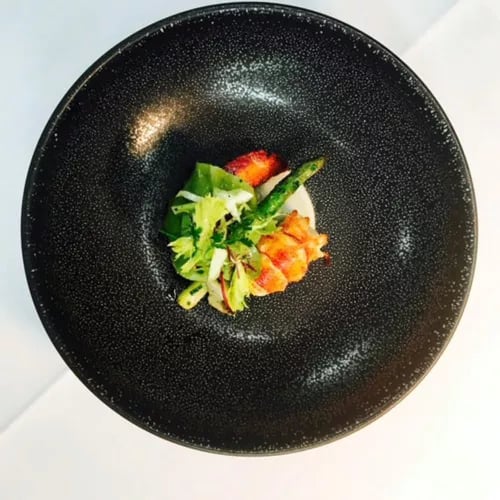
Chef Christophe Pauly commands his open kitchen with precision at this one-Michelin-starred table in the Condroz countryside, just outside Liège. His restrained ingredient lists yield concentrated flavors—langoustine-stuffed courgette flowers arrive in crisp tempura with soy mayo and piquillo peppers, balancing sweet, sour, and umami in a single bite. The sommelier's pairing suggestions complete an exacting, deeply satisfying meal.

★ Michelin
Along the meandering Ourthe in the Ardennes, chef Maxime Zimmer has earned a Michelin star through exacting technique and local sourcing. His signature rib-eye arrives with a barbecue-smoked crust and a bold cognac-peppercorn sauce enriched with celeriac—an ingredient he explores obsessively, presenting it salt-crusted, fried, puréed, and as a creamy risotto. A glazed wine wall of French bottles completes the refined experience.

Michelin Selected
A 1693 stone building on En Neuvice lane provides the atmospheric backdrop for chef Sébastien's tradition-rooted cooking. His kitchen draws from an on-site cottage garden, translating seasonal produce into dishes that drift between Belgian heritage and Asian accents—pork belly appears both in a reimagined onion soup and in Eastern-inflected preparations. The frequently rotating set menu rewards repeat visits with fresh interpretations of country cuisine.

Michelin Selected
Chef Simon's pared-back fine dining room occupies a prime spot in Liège's fashionable Le Carré district, where technical precision meets Italian-inflected creativity. The monthly menu showcases impeccable sourcing—rainbow trout arrives with aromatic Thai stock, sesame oil, and layered onion-mushroom textures demonstrating his meticulous approach to both craft and presentation. Manon oversees thoughtful wine pairings that draw a devoted local following.

Michelin Selected
Regional devotion defines Didier Galet's kitchen in Sprimont, where wood pigeon, garden vegetables, and royal truffle arrive from nearby producers. Classical technique underpins dishes enriched with expressive sauces—a mushroom-truffle stock here, a delicate potato espuma there—each preparation honoring ingredient provenance. Christine's warm welcome and the chef's wave from his open kitchen establish an intimate tone, best savored on the alfresco terrace overlooking Belgian countryside.

Michelin Selected
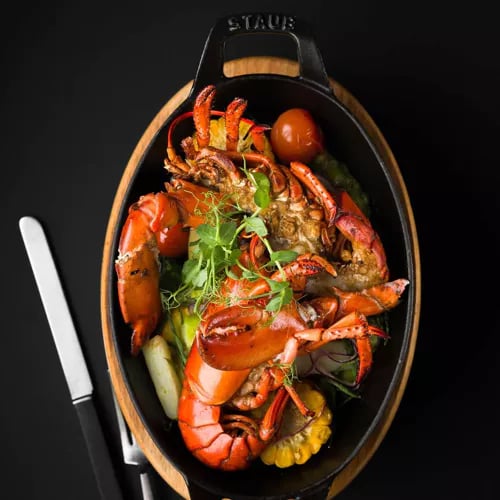
A wood-burning Josper oven anchors this hip Nandrin address, where cuts of red meat emerge with perfect char and concentrated flavor. The open kitchen frames chefs preparing signature hanger steak with béarnaise and hand-cut fries—a Michelin Plate establishment favoring generosity over pretense. Dark, contemporary interiors attract a crowd seeking robust Creative French cooking, though fish and lobster provide worthy alternatives.
Frequently Asked Questions
What neighborhoods in Liège are best for walking and exploring?
+
The Carré offers the densest concentration of cafés and boutiques in a compact grid of pedestrian streets. Outremeuse across the river has a distinct character with its own folklore traditions, while the area around Féronstrée and Hors-Château leads to the historic religious buildings and the Montagne de Bueren staircase.
What local dishes should visitors try in Liège?
+
Boulets à la liégeoise — large meatballs in a sweet-sour sauce made with Liège syrup — anchor most traditional menus. Gaufres de Liège differ from Brussels waffles through their pearl sugar and denser texture. The Herve cheese from the nearby plateau carries a potent washed-rind character that pairs with local péket digestif.
When does La Batte market take place and what does it sell?
+
La Batte runs every Sunday morning along the Meuse quays, regardless of weather. The market stretches approximately three kilometers and sells everything from fresh produce and rotisserie chickens to antiques, clothing, and plants. Arrive before 10am for the best selection and fewer crowds.
Nearby Destinations
Explore Belgium



Liege
The Meuse River carves through this Wallonian city, past the steep slopes of Montagne de Bueren with its 374 steps and into neighborhoods where the local dialect, Walloon, still peppers market conversations. Liège operates on its own clock: Sunday mornings belong to La Batte, one of Europe's longest street markets stretching three kilometers along the quays. The Carré district keeps bars open until dawn, while Outremeuse — birthplace of Georges Simenon — maintains its village feel across the river.
Accommodation clusters around the pedestrianized center near Place Saint-Lambert and the striking Guillemins station, Santiago Calatrava's glass-and-steel cathedral to rail travel. The dining scene draws on industrial heritage and proximity to the Ardennes: game in autumn, local Herve cheese year-round, and boulets à la liégeoise — meatballs in sweet-sour syrup — served without irony in white-tablecloth establishments. Péket, the city's juniper spirit, appears at meal's end as reliably as coffee elsewhere.