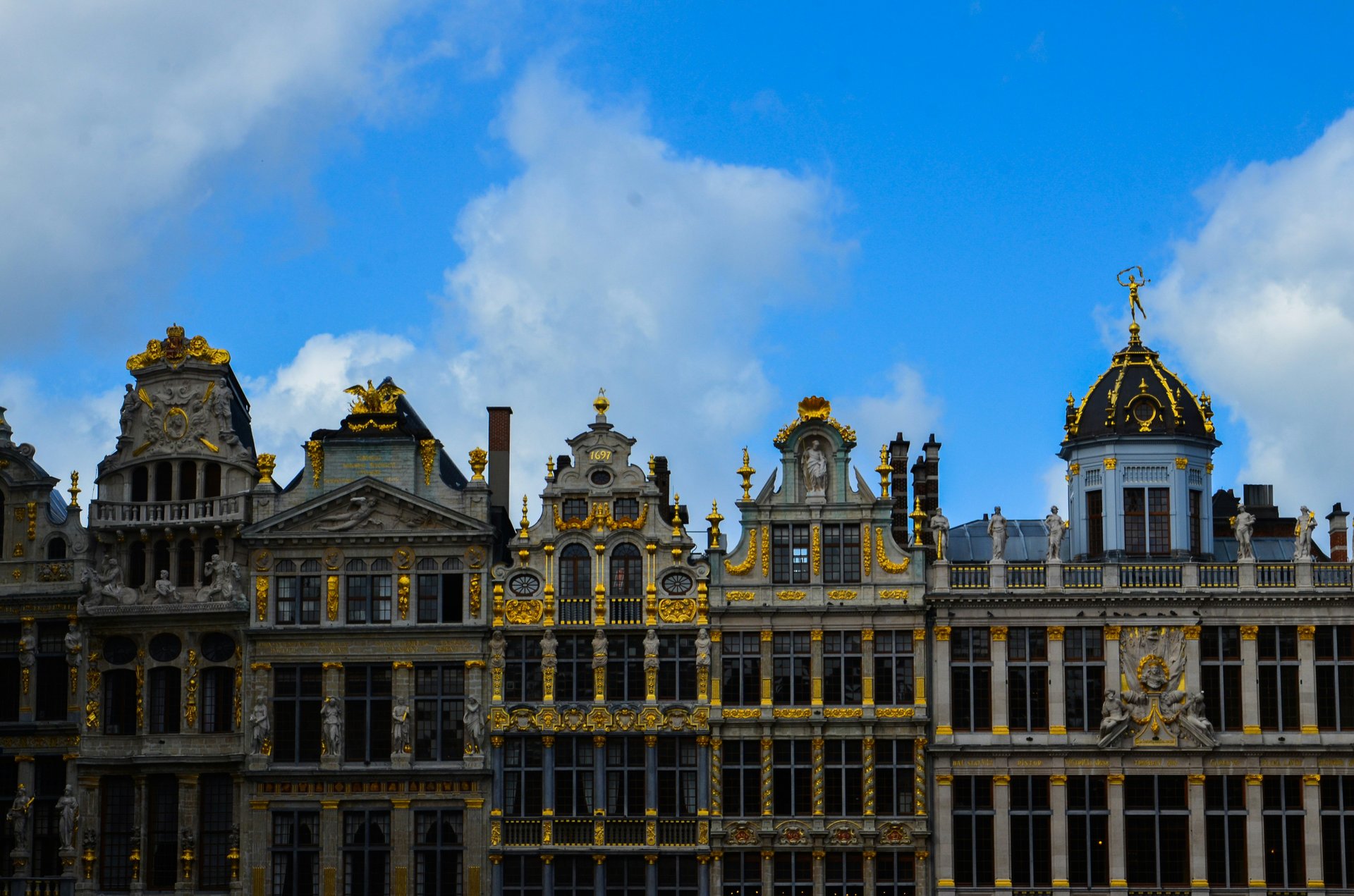
The Belgian capital unfolds across distinct quarters, each with its own rhythm. The Grand Place anchors the historic center, its gilded guildhouses a backdrop to the surrounding Îlot Sacré, where narrow lanes shelter everything from century-old chocolate houses to modernist dining rooms. South of the center, the Sablon district draws antique dealers and gallery owners to its weekend market, while the European Quarter's glass towers give way to the leafy avenues of Ixelles and Saint-Gilles, where Art Nouveau townhouses line streets like Avenue Brugmann and Rue Defacqz.
Brussels operates as a city of villages. Each commune—from bourgeois Uccle to multicultural Matongé—maintains its own mayor, its own market day, its own preferred café terraces. This decentralized character shapes the hospitality scene: grand hotels cluster near the Bois de la Cambre, while design-forward boutique properties have colonized the Dansaert district's converted warehouses. The dining culture reflects the city's position as a crossroads: Flemish classics like waterzooi and carbonnade share menus with French technique and a strong Mediterranean influence from the city's Italian and Portuguese communities.