Chef Gerhard Fuchs's signature Dotterraviolo—delicate pasta cradling a molten egg yolk—has earned cult status at this one-Michelin-starred table in Ehrenhausen. Surprise tasting menus arrive without fanfare, each course matched by sommelier Christian Zach from a staggering 35,000-bottle cellar spanning 4,000 labels. With only a handful of seats in the warm, wood-lined dining room, reservations are essential.
Explore Styrian Wine Country
Siblings Richard and Sonja Rauch helm this one-Michelin-starred table in Trautmannsdorf, where the kitchen's own pig farm supplies the free-range pork that anchors dishes like Styrian Orient with citrus hollandaise. Two tasting menus pivot between local tradition and global accent—cauliflower with smoked ricotta, chanterelles, Tropea onions. Summer dining unfolds on a vine-canopied terrace; a gourmet shop extends the experience home.
A 13th-century rectory beneath the parish church of Sankt Andrä im Sausal provides the atmospheric backdrop for Harald Irka's one-starred cooking. Working alongside sous-chef Jan Gollinger, Irka constructs five- and seven-course surprise menus where regional Austrian ingredients meet international accents—pike-perch paired with scallops and bouillabaisse, Pyrenean lamb with spiced crackers. Sommelier René Kollegger's precise pairings complete the experience; converted stables offer refined overnight accommodation.
Tucked into the rolling vineyards of southern Styria, Lieperts holds a Michelin star for its surprise tasting menus of five to seven courses. Chef Manuel Liepert's contemporary cooking draws on regional produce with international accents—pan-seared pike-perch arrives with beurre blanc, green strawberry, and wild mushrooms. The wine list favors local Styrian bottles, and four modern rooms allow guests to linger beyond dessert.
Siblings Markus and Anna Sattler now helm this Michelin-starred family estate amid Styrian vineyards, both forged in top international kitchens before returning home. The six-course seasonal menu draws entirely on local producers and the property's own herb garden, while Anna guides diners through 650 wine labels—including acclaimed bottles from the family's own vines. A destination for serious oenophiles and gastronomes alike.
Chef Markus Rath helms this one-Michelin-starred table within a protected heritage building near Leibnitz, where contemporary design intersects with centuries-old stonework. His five- and seven-course surprise menus showcase rigorously local ingredients inflected with subtle Asian accents—farm-to-table cooking given unexpected dimension. Summer diners claim the terrace for its sweeping Styrian views, while the experienced front-of-house team, occasionally joined by Rath himself, orchestrates service with relaxed precision.
Opposite Sankt Veit am Vogau's Baroque parish church, this family-run address dating to 1882 now holds a Michelin star and Green Star under chef Norbert Thaller. His seven-course menu follows seasonal rhythms, drawing from an on-site garden, greenhouses, and fish pond. The natural wine list runs deep, and Manuela's house-made vermouth opens the meal. A garden terrace and home-style lunch service round out the experience.
Chef Walter Triebl's ambitious tasting menus—four to six courses—showcase Styrian terroir through dishes like sturgeon with Alpine caviar and Amur carp paired with Hungarian pörkölt. Regional sourcing drives every plate, while the modern dining room's glass partition retracts in summer, blurring the line between interior and garden. An Austrian-forward wine list rounds out the experience.
A 1581 mill building houses this refined Styrian table, where Johann Schmuck and Maximilian Grandtner compose seasonal surprise menus—four or seven courses—from regional produce. Summer diners claim terrace seats above the Stainzbach River. Sommelier Joachim Retz guides through local wines from Styria and Burgenland, while the bar lounge offers aperitifs and lighter bites for those seeking a more casual visit.
Adjacent to the respected Neumeister Weingut winery, this one-Michelin-starred restaurant showcases chef Christoph Mandl's ingredient-driven contemporary cooking—dishes like salmon trout with dill and horseradish demonstrate his clear, signature approach. His wife Ruth oversees the wine program with sommelier precision, while the terrace delivers sweeping views across the Styrian village and surrounding hills. A few guest rooms extend the stay.
Frequently Asked Questions
What is Styrian pumpkin seed oil and why is it important to local cuisine?
+
Styrian pumpkin seed oil (Kürbiskernöl) is a protected regional specialty made from the seeds of a hull-less pumpkin variety native to the area. Dark green and intensely nutty, it's drizzled over salads, soups, and even vanilla ice cream. The oil has been produced here since the 18th century and remains central to Styrian culinary identity — most restaurants source from small local mills.
Which wine varieties define southern Styria?
+
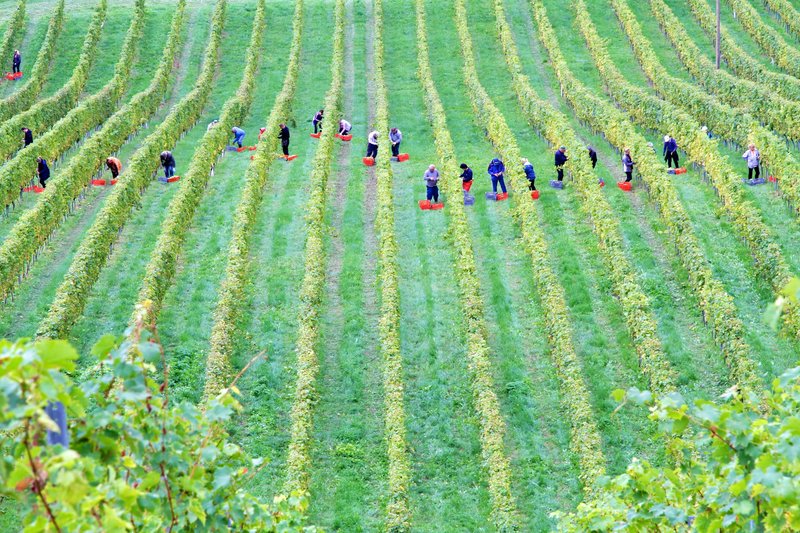
Sauvignon Blanc dominates the steep slopes of Südsteiermark, producing mineral-driven wines with distinctive herbaceous notes shaped by the region's foggy mornings and warm afternoons. Welschriesling, Gelber Muskateller, and Morillon (the local name for Chardonnay) round out the portfolio. Many estates offer tastings directly at the vineyard, often paired with regional charcuterie.
How does Graz differ from other Austrian cities for visitors?
+
Graz operates at a slower tempo than Vienna, with a university-town energy and stronger Italian influences due to its proximity to Slovenia and the Adriatic. The Schlossberg hill offers panoramic views, while neighborhoods like Lend and Gries have transformed former industrial spaces into galleries, wine bars, and design studios. The farmers' markets at Kaiser-Josef-Platz remain essential to daily life rather than tourist attractions.
Nearby Destinations
Explore AustriaAustria's green heart stretches from the vine-covered slopes of southern Styria to the forested peaks of the Hochschwab massif. The capital Graz, a UNESCO World Heritage site, anchors the region with its Renaissance courtyards, modernist Kunsthaus, and a food market culture that has shaped Austrian gastronomy for centuries. Beyond the city, the landscape fragments into distinct terroirs: the Südsteiermark wine roads winding past Sauvignon Blanc vineyards, the thermal basin around Bad Radkersburg, and the wild Gesäuse gorges cutting through limestone.
The dining scene draws heavily on local sourcing — Styrian pumpkin seed oil, Almo beef raised on alpine pastures, and wild herbs foraged from mountain meadows appear on menus from village inns to chef-driven restaurants in Graz's Lend quarter. The region's winemakers, many working biodynamically on steep hillside plots, have earned international recognition while maintaining the Buschenschank tradition of serving house wines alongside cold platters in rustic tasting rooms.