Skip to content

Klagenfurt Worthersee

Explore Klagenfurt Worthersee

Restaurants (5)

Where to Stay

1. Falkensteiner Schlosshotel Velden

2 Michelin Keys

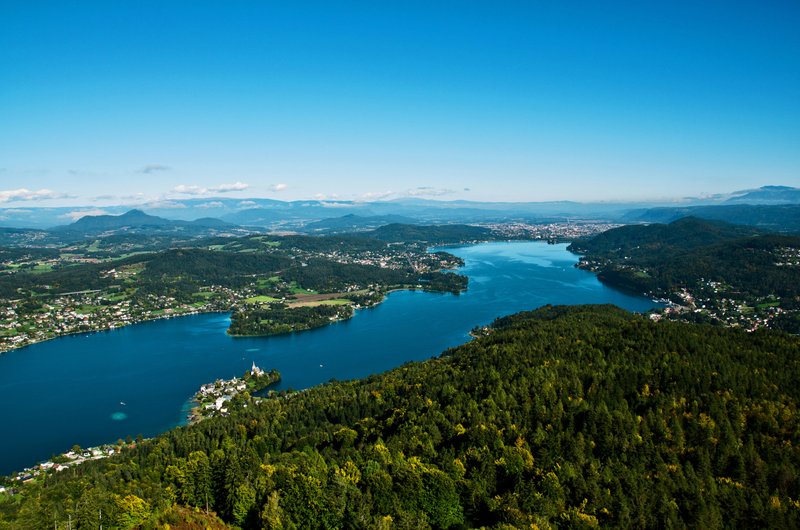
A goldenrod castle from 1603 anchors this lakeside resort on Wörthersee's shores, its 39 heritage rooms preserving period details while a contemporary wing curves around the courtyard, framing water views beyond. The 37,000-square-foot Acquapura Lake SPA delivers thermal indulgence through saunas, steam rooms, and jacuzzi. Tennis courts, bicycles, and nearby golf complement dual swimming pools—ideal for active travelers seeking Austrian elegance.

Where to Eat

1. Die Forelle

★ Michelin· Green Star ●

Chef-patron Hannes Müller's six-course BERG.SEE. menu draws directly from the restaurant's own farm and local producers, yielding dishes like garden courgette with fruity caramel, fermented black cherries, and foraged ground elder. The Michelin-starred kitchen holds a Green Star for sustainability, complemented by an Austrian-focused selection of organic and biodynamic wines. Floor-to-ceiling windows frame meadows sloping toward Weissensee—a fitting backdrop for such terroir-driven cooking.

2. Hubert Wallner

★ Michelin

Summer evenings on Wörthersee find their finest expression at Hubert Wallner's lakeside terrace, where sunset views frame one-star cooking rooted in Alpine tradition. The chef's playful creativity surfaces in dishes like his signature Germknödel 2.0—foie gras terrine lifted by yeast espuma and Reindling ice cream. Sommelier Christoph Janger navigates a 3,000-label cellar with precision, matching wines to five or nine-course tasting menus.

3. Moritz

★ Michelin· Green Star ●

Glass walls slide open to reveal the orchard that supplies chef Roman Pichler's kitchen at this one-Michelin-starred countryside table. His pared-back cooking—think delicate char medallions lifted by a tangy dill vinaigrette with courgette brunoise and mustard seeds—demonstrates how restraint can amplify contrast. Five- or seven-course surprise menus arrive with thoughtfully matched wines, while the restaurant's Green Star signals a genuine commitment to sustainable gastronomy.

4. Rouge Noir

★ Michelin

Ten seats, twelve courses, one lake: Rouge Noir's chef's table distills the Weissensee terroir into an intimate evening orchestrated by chefs Stefan Glantschnig and David Traun. The signature char—skin seared to a delicate crisp, paired with fennel nage and roasted guanciale—anchors a menu built entirely from the surrounding valley. A resident fisherman discusses the night's catch while panoramic windows frame the Alpine waterscape.

5. Gamskogelhütte Fine Dining by Stefan Lastin

Michelin Selected

Perched at 1,850 meters in the Austrian Alps, this intimate dining room wrapped in aged wood and natural stone offers three- to six-course menus personally presented by chef Stefan Lastin. Winter guests arrive by snowmobile or ski directly to the slope-side entrance, while proprietor Peter Aschbacher circulates among tables, guiding diners through a wine list rich with rare Austrian and European bottles.

6. Bär & Schaf Wirtschaft

Michelin Selected· Green Star ●

Inside a centuries-old inn with worn floorboards and contemporary art on whitewashed walls, chef Martin Nuart crafts plant-forward set menus from his family's farm and neighboring producers—an approach that earned a Michelin Green Star. Front-of-house partner Philipp Medved pours Austrian wines alongside Slovenian and Italian bottles with easy expertise. The atmosphere is relaxed yet precise, ideal for diners seeking substance over spectacle.

7. Das Loewenzahn

Michelin Selected

Jakob and Lilly Lilg welcome diners to their lakeside terrace, where views across Weissensee accompany five- to eight-course menus of creative cooking. The kitchen draws on regional Austrian traditions while embracing broader influences—octopus paired with cauliflower, Amalfi lemon, and saffron illustrates the approach. Contemporary interiors retain alpine warmth, and the unhurried pacing suits travelers seeking a refined evening meal away from urban bustle.

8. Das Vogelhaus

Michelin Selected

Vaulted ceilings frame an intimate dining room where chef Fabian Kautz crafts Mediterranean-inspired set menus of three to five courses, rotating monthly to showcase seasonal produce, much of it regional. He emerges from the kitchen to present each plate personally, an unhurried ritual matched by house-made non-alcoholic pairings or carefully selected wines. A quiet, considered address for travelers seeking substance over spectacle.

9. Dolce Vita

Michelin Selected

A compact dining room with living-room warmth, Dolce Vita channels the Mediterranean through wild-caught fish, house-made pasta, and risotto built on rigorously sourced ingredients. The kitchen strips each plate to essentials—meagre with grilled courgettes, gnocchi lifted by clams in white wine. Evening brings ambitious surprise menus of five to nine courses, paired with a thoughtful selection of orange and natural wines.

10. La Torre

Michelin Selected

Within the medieval keep of St Veit fortress, chef Rosemarie Trabelsi crafts Italian and Mediterranean dishes stripped to their essence—turbot paired with samphire and datterini tomatoes, house-made paccheri tossed with wild prawns and rocket. Fish dominates, changing with the market. Her husband Ammar, Sicilian-born, orchestrates the dining room with old-school elegance. The small terrace amid greenery rewards those who venture beyond Wörthersee.

Frequently Asked Questions

When is the best time to visit Wörthersee for swimming?

+

The lake reaches its warmest temperatures between late June and early September, often exceeding 25°C — unusually warm for alpine waters. The traditional Strandbäder open from May through September, though July and August offer the most reliable conditions for extended swimming.

What makes Carinthian cuisine different from other Austrian regions?

+

Carinthia's border position created a distinctive kitchen blending Austrian, Slovenian, and Italian influences. Signature dishes include Kasnudeln (cheese-filled pasta with browned butter), Reindling (cinnamon-walnut bread), and Kärntner Kirchtagssuppe. The region also produces notable Lavanttaler wines and benefits from proximity to Slovenian and Friulian wine regions.

How do I travel between Klagenfurt and the lakeside resort towns?

+

Regular buses connect Klagenfurt to Velden, Pörtschach, and Maria Wörth throughout the day, with the journey taking twenty to forty minutes depending on the destination. From late spring through early autumn, scheduled boat services link the major lakeside towns, offering a scenic alternative to road transport.