


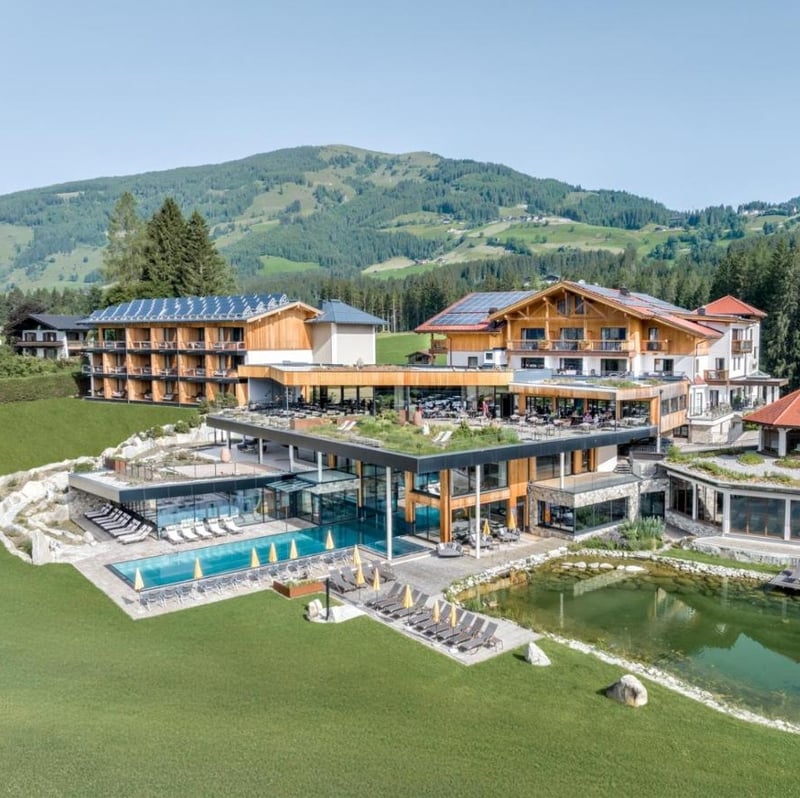
Within Hohe Tauern National Park, this 59-room retreat channels Alpine tradition through elegant spruce, pine, and larch woodwork, with gorgeously carved furnishings filling sun-drenched rooms. The onsite organic farm supplies the kitchen, grounding the experience in terroir. Wellness facilities include an outdoor pool, Turkish bath, and sauna — ideal for hikers and nature lovers seeking refined simplicity amid dramatic mountain scenery.
Grossglockner & High Tauern Travel Guide: Best Hotels, Restaurants & Experiences 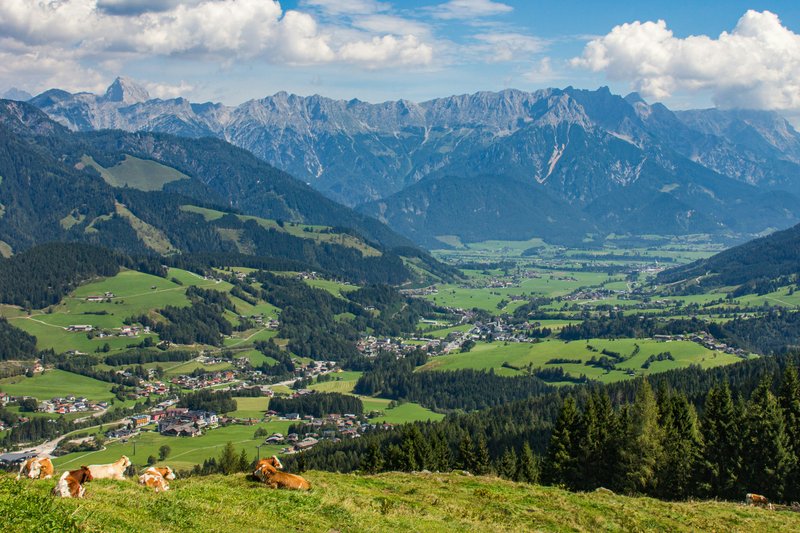
Explore Grossglockner
Hotels (3)
Restaurants (3)
Where to Stay

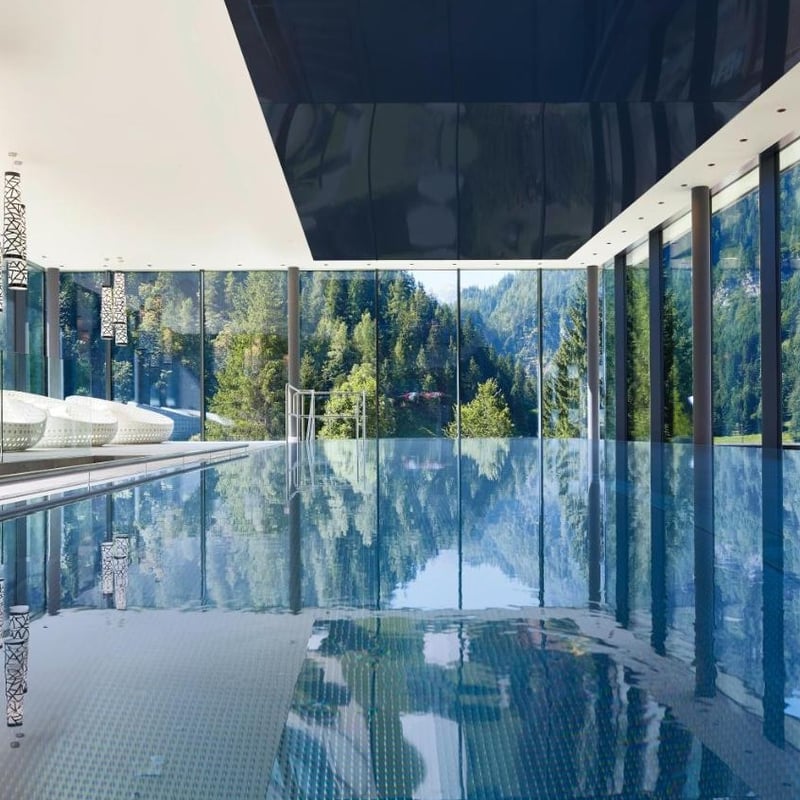
Six pools and swimming ponds anchor a sprawling wellness complex at this sixty-room Austrian retreat, where Turkish baths, jacuzzi, and multiple saunas offer methodical relaxation against dramatic alpine scenery. Rooms feature floor-to-ceiling windows framing mountain panoramas, their interiors playfully decorated with whimsical prints. The atmosphere remains deliberately casual—pet-friendly, family-oriented—favoring indulgence over formality for travelers seeking active days and restorative evenings.

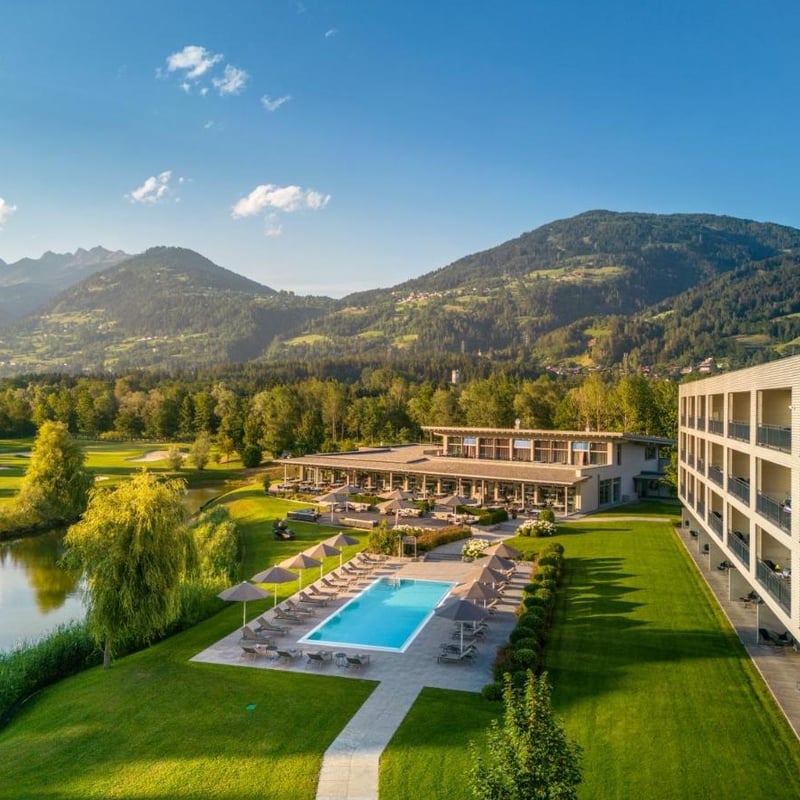
A 36-hole championship course spreads directly from this riverside retreat on the Drava, where the forested slopes of the Tyrolean Dolomites frame every fairway. Golf dominates the agenda, yet the wellness facilities compete for attention: hammam, sauna, panoramic terrace, and both indoor and heated outdoor pools. Suites dressed in Italian furnishings open onto private balconies surveying the alpine landscape.
Where to Eat

★ Michelin· Green Star ●
Perched at 1,400 meters amid three centuries-old Villgrater farmhouses, Gannerhof earns its Michelin star through husband-and-wife team Carola and Josef Mühlmann's seven-course menus rooted in alpine terroir. Dishes like goat curds paired with lightly sautéed trout heart and crispy kale demonstrate their inventive regional approach. The chef mills his own flour for house-baked bread, a detail recognized with a Michelin Green Star for sustainability.

★ Michelin
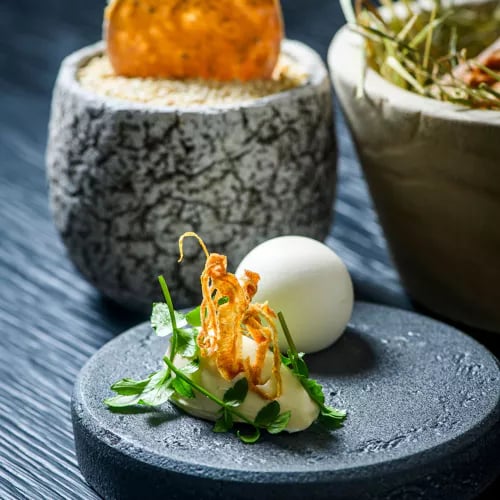
Within the thick stone walls of a 1420 building in Mauterndorf, chef Josef Steffner crafts expressive, one-starred cuisine rooted in Salzburg's UNESCO Biosphere Park terroir. His signature Lungau potato crowned with sour cream, egg yolk, and Grüll caviar distills the region onto a single plate. Maria Steffner oversees the wine program and six intimate guest rooms, making this family-run address ideal for extended Alpine gastronomic stays.

Michelin Selected
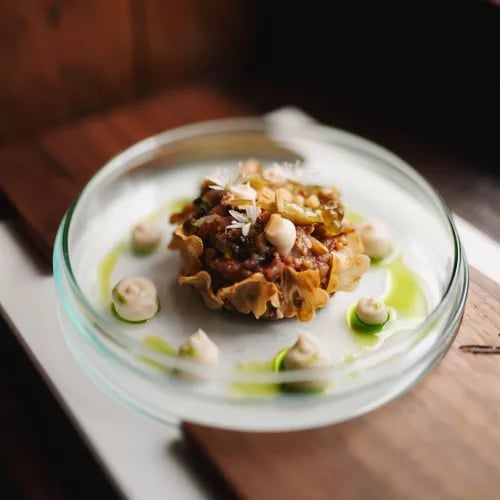
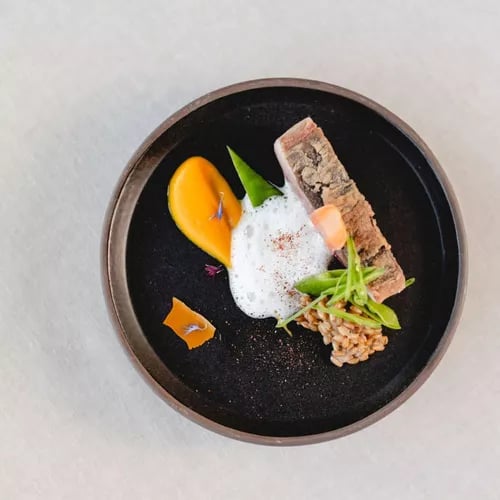
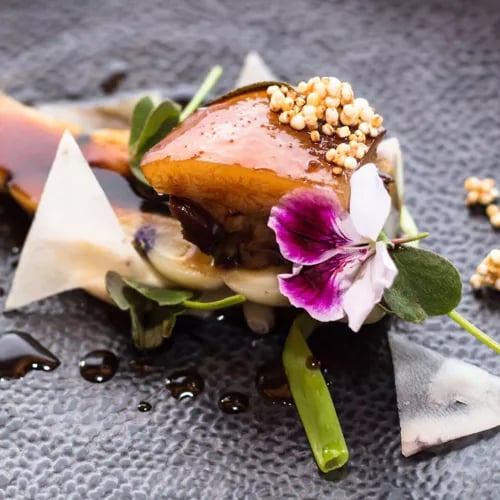
Brothers Clemens and Markus Gesser run this intimate regional dining room where eight guests share a single table beside the open kitchen. The surprise menu—four to seven courses—draws exclusively on local ingredients, yielding precise compositions like smoked salmon trout tartare with buttermilk and herb oil or delicate pumpkin ravioli cloaked in milk foam. A focused, convivial evening for those who appreciate Austrian Alpine cooking at its most personal.

Michelin Selected
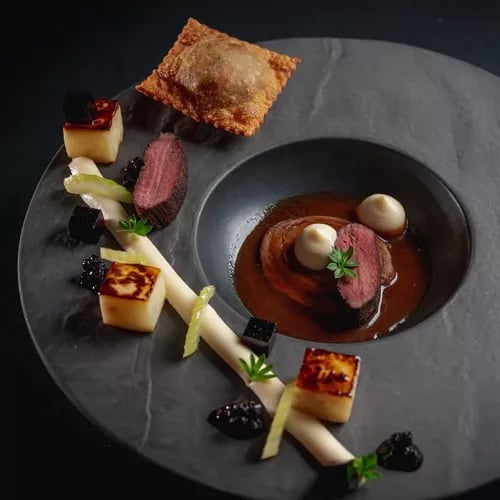
A striking contemporary structure rises from the Lungau countryside, its minimalist interior dressed in muted tones that let the mountain panorama command attention. The kitchen channels Austria's alpine larder—wild game, freshwater trout—through a modern lens, presenting flexible tasting menus that adapt to appetite. Service maintains warmth without intrusion, and the terrace proves essential when weather permits.

Michelin Selected
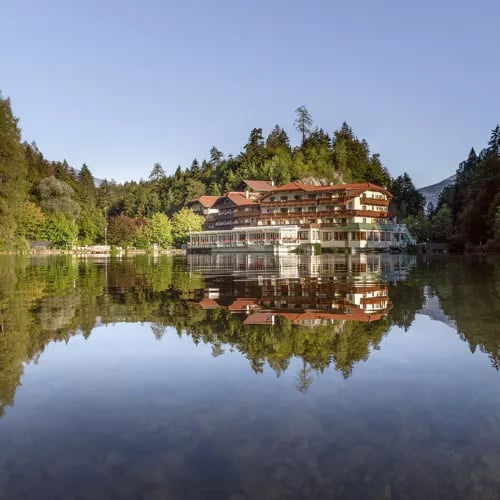
The Kreuzer family's lakeside restaurant occupies a glass-walled winter garden extending directly over Tristachersee, converting to an open terrace when summer arrives. Char, trout, and Danube salmon come from their own fish ponds minutes away, appearing alongside regional produce in both tasting menus and à la carte selections. The hotel's private spring water flows freely throughout—a small detail reflecting the family's attentive stewardship.

Bib Gourmand
Chef Ernst Moser brings Bib Gourmand-recognized sophistication to this alpine address, where regional cooking takes refined form through dishes like vitello forello, pigeon royale, and glazed belly of local pork. His signature spaghetti 'Ernesto' anchors a pasta selection that rewards return visits. A thoughtfully assembled wine list and attentive service complete the picture, with a small terrace extending the experience outdoors.

Bib Gourmand
Perched at the base of the ski slopes, this Bib Gourmand restaurant welcomes both hotel guests and outside visitors to a cheerful Alpine dining room. The kitchen champions seasonal regional produce in dishes like braised piglet cheeks with creamed parsnips and crispy apricot-rosemary dumplings. For the full experience, THE TASTE surprise menu delivers at least twelve inventive courses—exceptional value for such creative, territory-rooted cooking.

Michelin Selected
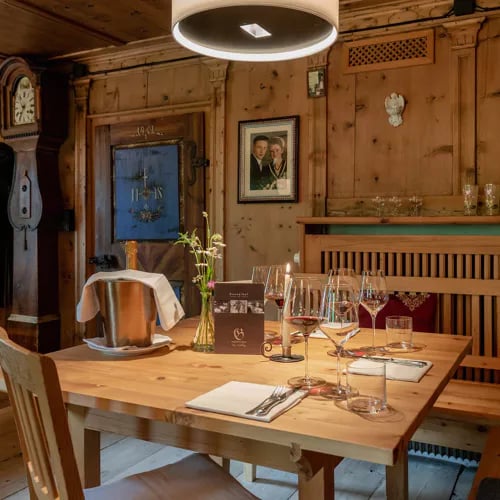
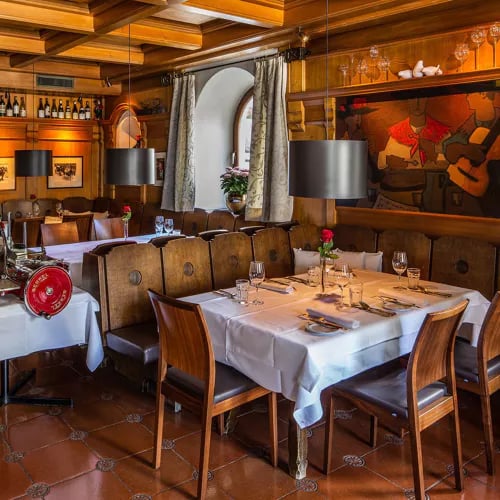
Inside a historic building adorned with old paintings, wood panelling, and a traditional tiled stove, the Obwexer family runs this refined yet relaxed dining room. Chef Max van Triel moves between classic Wiener schnitzel and modern compositions—pan-fried turbot paired with spinach, horseradish, and lemon ravioli among them. Owner Michael Obwexer guides wine selections personally, drawing from Austrian, Italian, and French estates with evident passion.
Frequently Asked Questions
When is the Grossglockner High Alpine Road open to visitors?
+
The road typically opens from early May through late October, weather permitting. June through September offers the most reliable access, though snow can close higher sections even in summer. The road operates with toll gates at Ferleiten and Heiligenblut.
Which valley town offers the best base for exploring the High Tauern region?
+
Heiligenblut provides the most atmospheric setting with its landmark spire church and direct access to the Grossglockner High Alpine Road. Kals am Grossglockner on the Tyrolean side suits serious mountaineers, while Matrei in Osttirol offers a larger town infrastructure with easier access to multiple valley trailheads.
What traditional Carinthian dishes should visitors expect in local restaurants?
+
The regional kitchen features Kasnudeln, crescent-shaped pasta filled with curd cheese and mint, typically served browned in butter. Schlipfkrapfen from East Tyrol use a potato-based filling. Game dishes — venison, chamois, and wild boar — appear alongside freshwater fish from alpine streams, particularly char and trout.
Nearby Destinations
Explore Austria

Grossglockner
Austria's highest peak rises 3,798 meters above the Hohe Tauern National Park, where the Pasterze glacier still creeps down the mountain's eastern flank. The Grossglockner High Alpine Road — 48 kilometers of hairpin turns built in the 1930s — delivers visitors to the Kaiser-Franz-Josefs-Höhe viewpoint, though the serious dining happens in the valley towns below. Heiligenblut clusters around its fifteenth-century Gothic church, while Kals am Grossglockner serves as the preferred base for mountaineers tackling the Stüdlgrat ridge.
The culinary scene draws from Carinthian and East Tyrolean traditions: Kasnudeln (cheese-filled pasta), Schlipfkrapfen, and game from the surrounding forests. Summer brings hikers to the 150-kilometer Glockner Trail; winter transforms the landscape into backcountry skiing terrain far removed from the manicured pistes of the Arlberg. Hotel kitchens source from local dairy farms, and the region's mountain huts serve substantial alpine fare to climbers returning from the Erzherzog-Johann-Hütte, Europe's highest staffed refuge.