Skip to content

Hue

Explore Hue

Hotels (2)
Verified
Small Luxury Hotels · Verified

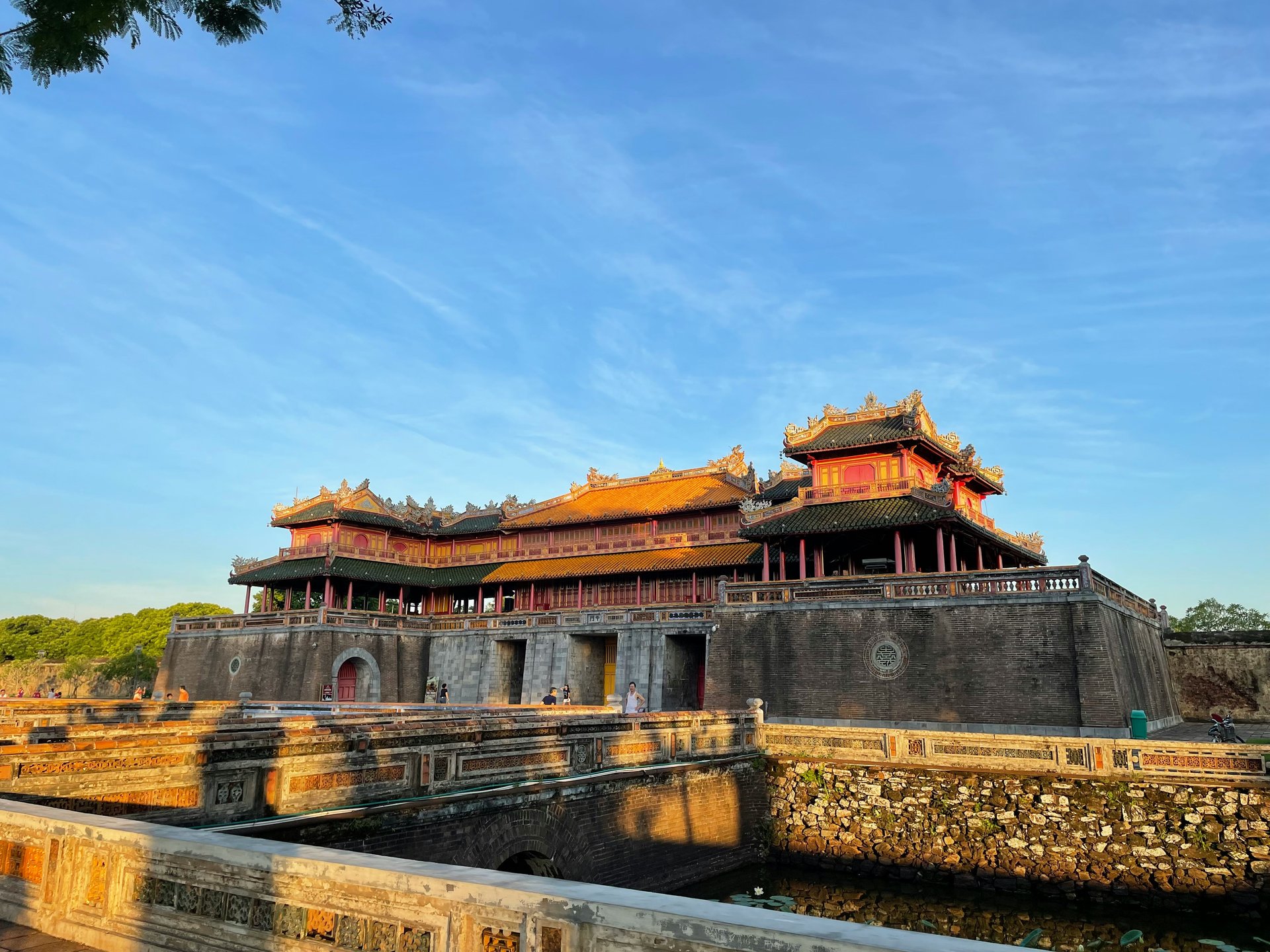
The former French Governor's mansion retains its 1930s Art Deco grandeur—original hardwood floors, terrazzo tiles, ceiling fans turning slowly beneath high ceilings. A 40-metre salt-water pool stretches along the Perfume River, the Imperial Citadel visible across the water. Le Parfum restaurant and Le Gouverneur Bar maintain the period aesthetic, while Le Spa draws on traditional Vietnamese remedies. The house scent, Woody Ylang, was crafted with perfumer Laurent Séverac.

2. Banyan Tree Lang Co.

2 Michelin Keys

Eighty-nine pool villas draw their design from Hue's historic garden houses, with lacquer artwork, silk embroideries, and Vietnamese calligraphy throughout. Resident guides lead expeditions to Ke Bang National Park or cycling tours through nearby fishing villages. Dining ascends to Saffron, a hilltop Thai restaurant reached by tree-lined path, while the crescent beach and Nick Faldo golf course command the coastline below.

Frequently Asked Questions

Which neighborhoods in Hue offer the best accommodation options?

+

The Citadel district provides proximity to the Imperial City and traditional architecture, while properties along the Perfume River's southern bank offer waterfront settings with views toward the historic walls. The area around Le Loi Street serves as a central base with walking access to both the old quarter and the river promenade.

What makes Hue's cuisine different from other Vietnamese regions?

+

Central Vietnamese cooking developed under imperial patronage, emphasizing complex spice combinations, smaller portion sizes, and elaborate presentation. Dishes like bún bò Huế feature lemongrass, fermented shrimp paste, and chili oil in proportions rarely found elsewhere. The city's cooks also maintain traditions of vegetarian cuisine tied to Buddhist practice at the numerous pagodas surrounding the citadel.

When is the ideal season to visit Hue?

+

February through April brings mild temperatures and minimal rainfall, ideal for exploring the citadel complex and royal tombs. The dry season extends through August, though summer months see higher humidity. September through January coincides with the monsoon, when the Perfume River rises and afternoon downpours become routine, though the atmospheric mist adds a particular quality to the historic sites.