


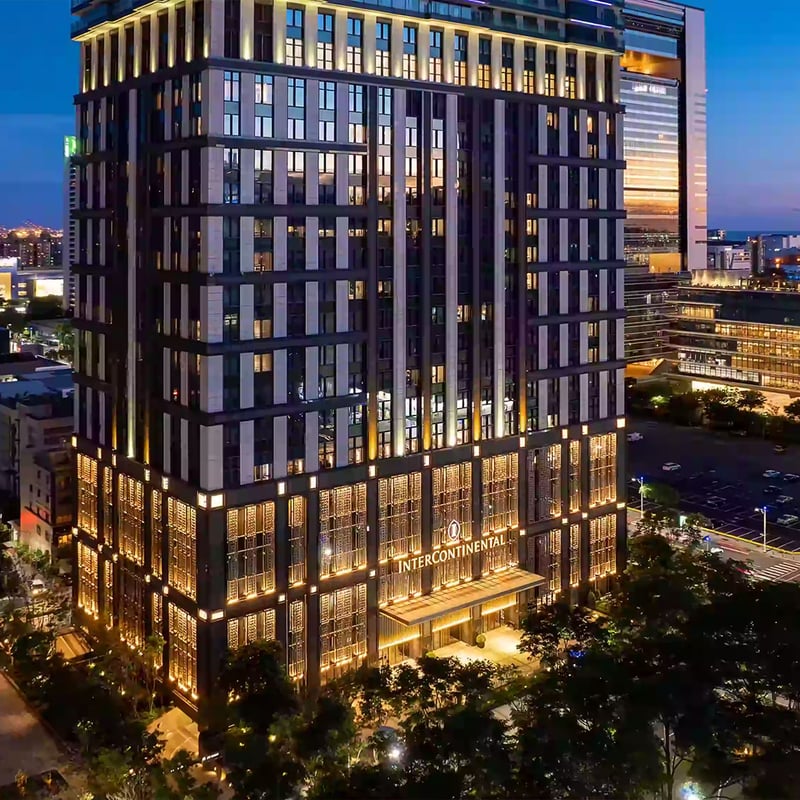
Taiwan's tallest residential tower rises above Kaohsiung's Asia New Bay Area, placing guests within steps of the Exhibition Center and Music Center concert halls. The 253 rooms offer sweeping harbor views, Japanese washlets, and Byredo amenities, while a dramatic indoor pool and jacuzzi provide respite. Three on-site restaurants span Chinese, Japanese, and international cuisines—ideal for business travelers and culture-seeking visitors alike.
Kaohsiung Travel Guide: Best Hotels, Restaurants & Experiences 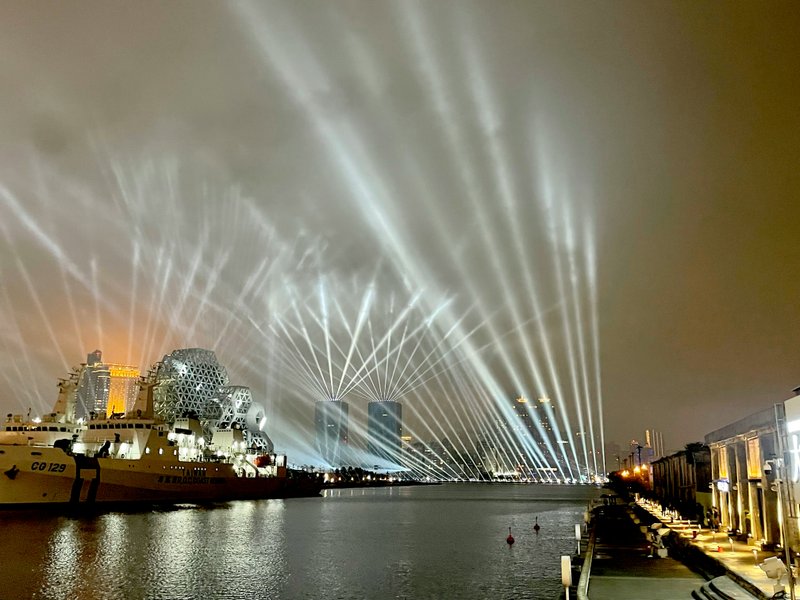
Explore Kaohsiung
Hotels (1)
Restaurants (5)
Where to Stay
Where to Eat

★ Michelin
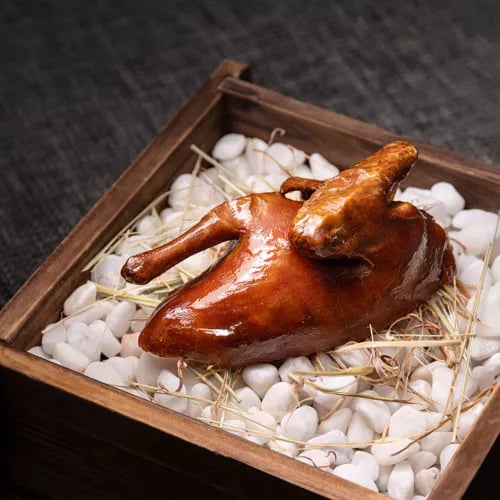
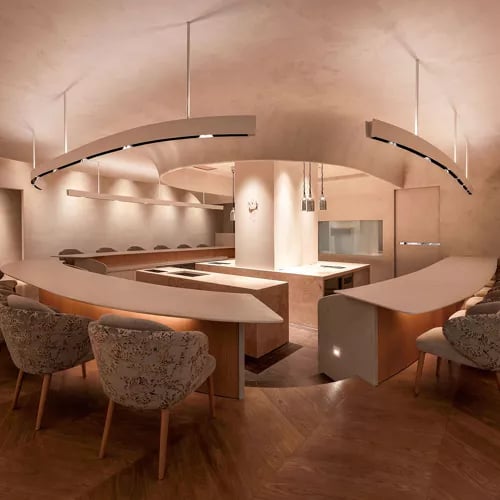
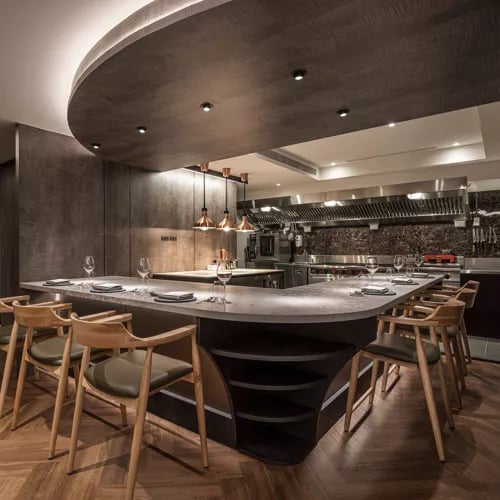
A Macau and Hong Kong kitchen brigade commands this one-starred dining room, where lofty ceilings meet camel tones offset by gunmetal grey. Three tasting menus showcase prized dried seafood—bird's nest, abalone—while reimagining 1980s Cantonese classics with inventive flourishes. Guests choose between the arc-shaped counter, round tables, or private rooms, with an extensive tea selection rivaling the French wine list.

★ Michelin
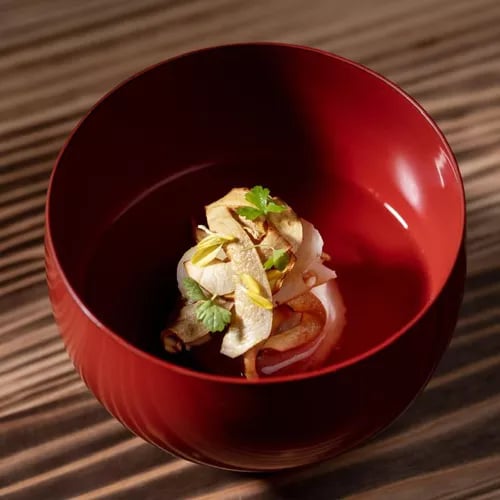
Chef Kang, a Taipei native who trained in renowned kitchens across Taiwan, chose Kaohsiung for his debut restaurant. The single seasonal menu navigates between local Taiwanese ingredients and Japanese produce, interpreted through a Japanese-French lens. Counter seating around the open kitchen offers an intimate view of the precision involved. Each iteration includes a course paying homage to Kaohsiung's culinary heritage—a thoughtful anchor in an ever-evolving repertoire.

★ Michelin
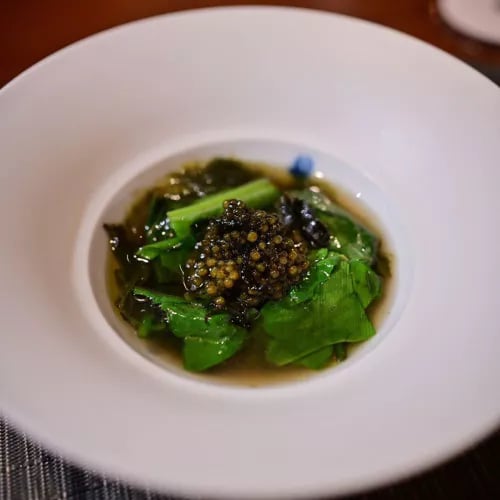
Tokyo's celebrated Den chose Kaohsiung for its first international address, bringing one Michelin star to southern Taiwan. The single-menu format showcases traditional Japanese techniques applied to local ingredients: a signature salad assembles over ten Taiwanese vegetables through frying, steaming, grinding, and pickling, while kamameshi rice pots arrive fragrant with local yam, Brussels sprouts, and sakura shrimp.

★ Michelin
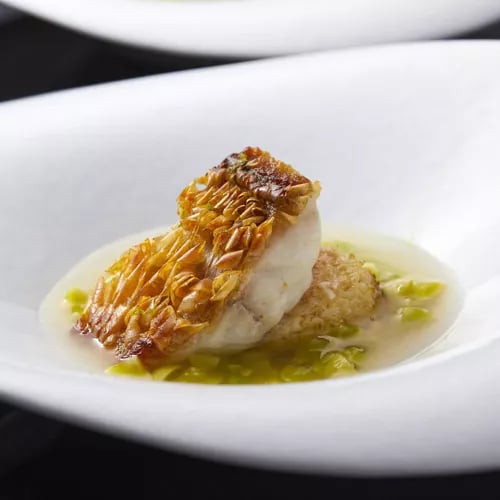
Warm wooden curves and muted textures frame a deeply personal menu at this one-starred Kaohsiung table. The chef-owner, with two decades in fine dining, threads Taiwanese heritage through every course—dried cauliflower, black garlic, aged radish appear alongside seasonal proteins. Winter brings line-caught fish from his native Penghu, a quiet homage to coastal roots. Half-glass wine pours encourage exploration.

Michelin Selected
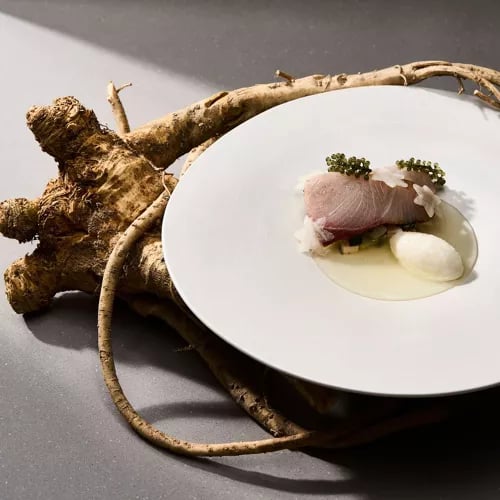
Chef Kei Kurusu applies Japanese and French techniques to Kaohsiung's local vegetables and fish, stripping away excess to let ingredients speak. The minimalist dining room mirrors this philosophy—spare, intentional, focused. First-time visitors receive a set menu designed to convey Kurusu's vision; regulars encounter entirely different compositions. A Michelin-recognized address for diners seeking purity over spectacle.

Michelin Selected
No sign marks the entrance to Nibbon, yet Kaohsiung's food cognoscenti know exactly where to find this Michelin-recognized Taiwanese table. The chef channels global culinary explorations into tasting menus that rotate quarterly, built on premium local and Japanese produce. Norwegian blue lobster—springy, intensely sweet—ranks among the essential add-ons. Reservations require persistence; the reward is worth the pursuit.

Michelin Selected
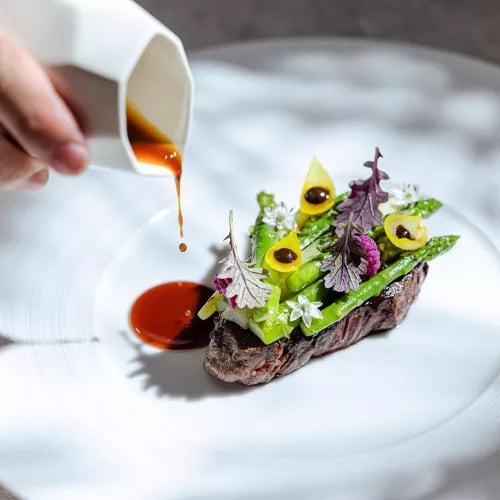
Japan's celebrated Ukai group chose Kaohsiung for its first international outpost, installing a teppanyaki stage where chefs work premium ingredients on iron plates with theatrical precision. The signature Wagyu menu showcases rump cuts selected for their marbling, while a dedicated local course highlights Taiwanese seafood. A sweeping circular staircase leads to warm-toned dining rooms of understated refinement—serious teppanyaki for collectors of Japanese culinary craft.

Michelin Selected
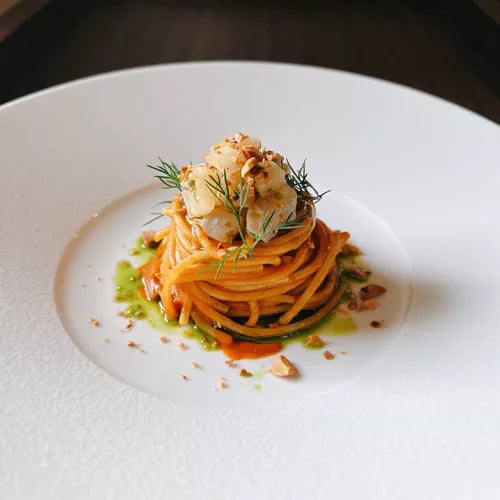
Named after Tasmania's Cradle Mountain—a peak the owner once conquered—Cratain applies a mountaineer's precision to its cooking. The pristine white dining room serves as backdrop for a set menu built around impeccably chargrilled and pan-seared meats, with pasta emerging as an unexpected strength. European techniques guide every dish, while seasonal specialities offer diversions for repeat visitors seeking new summits.

Michelin Selected
Brick-red walls and sculptural pendant lighting frame the dining room at Cho, where a Taiwanese chef with formal dietician training orchestrates tasting menus that marry local ingredients with global technique. The approach favors balance and vitality without sacrificing flavor, resulting in inventive plates that feel nourishing rather than indulgent. Private rooms accommodate groups, and the pricing remains accessible for this caliber of creative cooking.

Michelin Selected
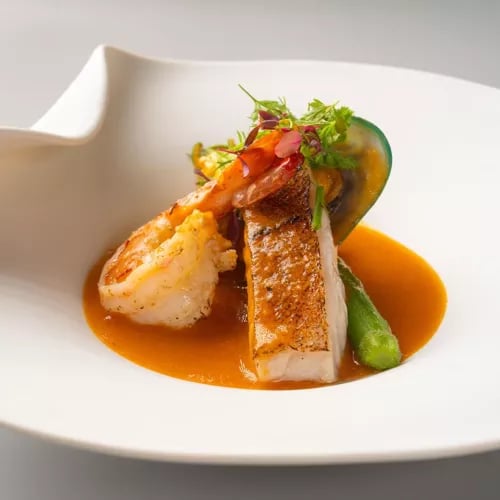
A US-trained chef helms this Kaohsiung table, orchestrating ten-course menus that pivot with the seasons. Local Taiwanese vegetables and Japanese seafood receive precise treatment through French, Italian, and American techniques—each plate a quiet assertion of craft. Counter seating places diners at the edge of the semi-open kitchen's choreography. Housemade bread from chestnut flour marks autumn's arrival with understated sweetness.
Frequently Asked Questions
What neighborhoods should I explore in Kaohsiung?
+
Yanchengpu offers century-old shophouses converted into cafés and galleries. Pier-2 Art Center along the harbor showcases contemporary Taiwanese artists in repurposed warehouses. Cijin Island provides a slower pace with temple visits and fresh seafood. The Weiwuying district in Fengshan draws culture-seekers to its concert halls and parkland.
When is the best time to visit Kaohsiung?
+
October through March brings comfortable temperatures and low humidity, ideal for outdoor exploration. Summer months are hot and wet, though typhoon season typically spares the south more than Taipei. The Lantern Festival in early spring transforms the Love River with elaborate floating displays.
How does Kaohsiung differ from Taipei for visitors?
+
Kaohsiung moves at a slower tempo with wider streets and less crowding. The MRT connects major sites efficiently, but cycling paths along the harbor and river offer a more local experience. Expect stronger southern Taiwanese and Hakka culinary traditions, with night markets that feel less tourist-oriented than those in the capital.
Nearby Destinations
Explore Taiwan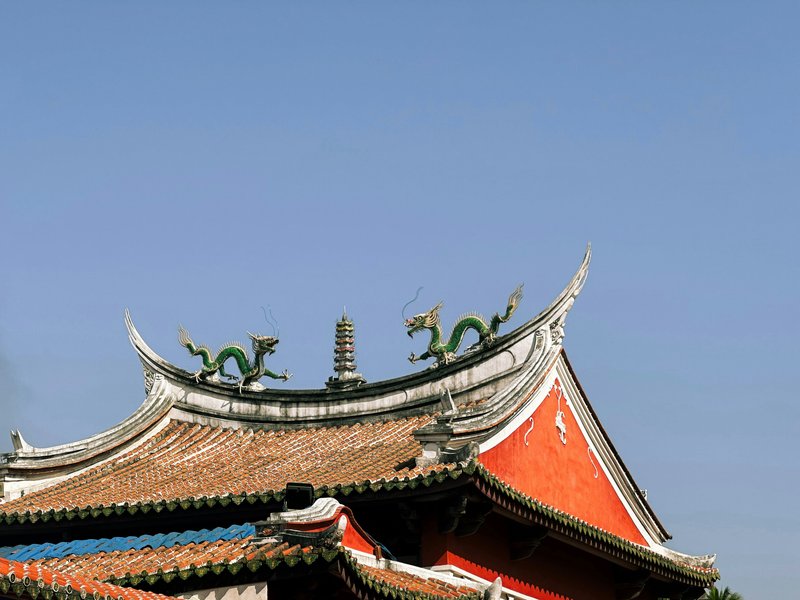

Kaohsiung
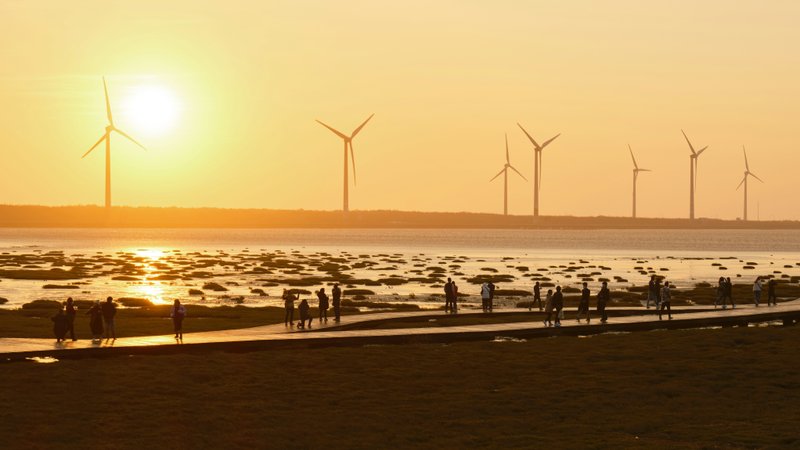
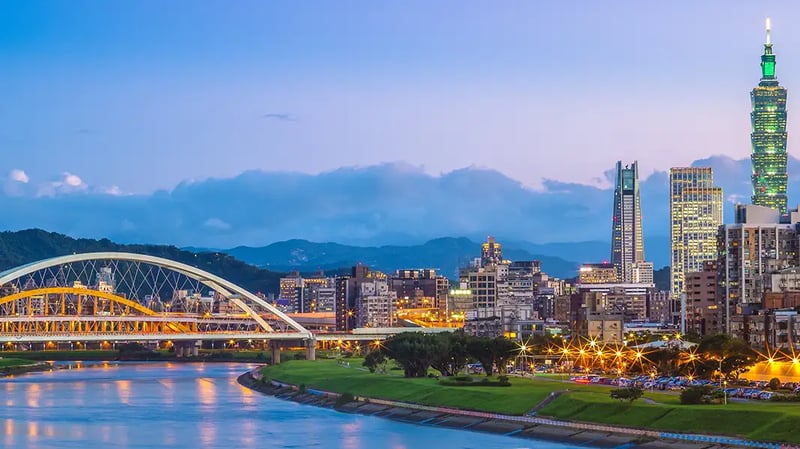
Taiwan's second city sprawls along the Love River and around a vast natural harbor that once made it the island's busiest port. The industrial grit has given way to ambitious urban renewal: Pier-2 Art Center occupies former warehouses with rotating installations, while the Weiwuying arts complex — Asia's largest performing arts venue — anchors the eastern districts. Cijin Island, a short ferry ride from Gushan, retains its fishing-village tempo with seafood stalls and crumbling Qing-era fortifications.
The dining scene draws from Hakka, Hokkien, and Japanese influences layered over a century of maritime trade. Liuhe Night Market runs nightly with papaya milk stands and grilled squid vendors who've worked the same corners for decades. Yanchengpu, the old commercial district, has attracted specialty coffee roasters and wine bars to its narrow lanes. Summer brings punishing humidity; winter offers warm, dry days ideal for cycling the waterfront paths that now connect the harbor to Lotus Pond's dragon and tiger pagodas in the north.