


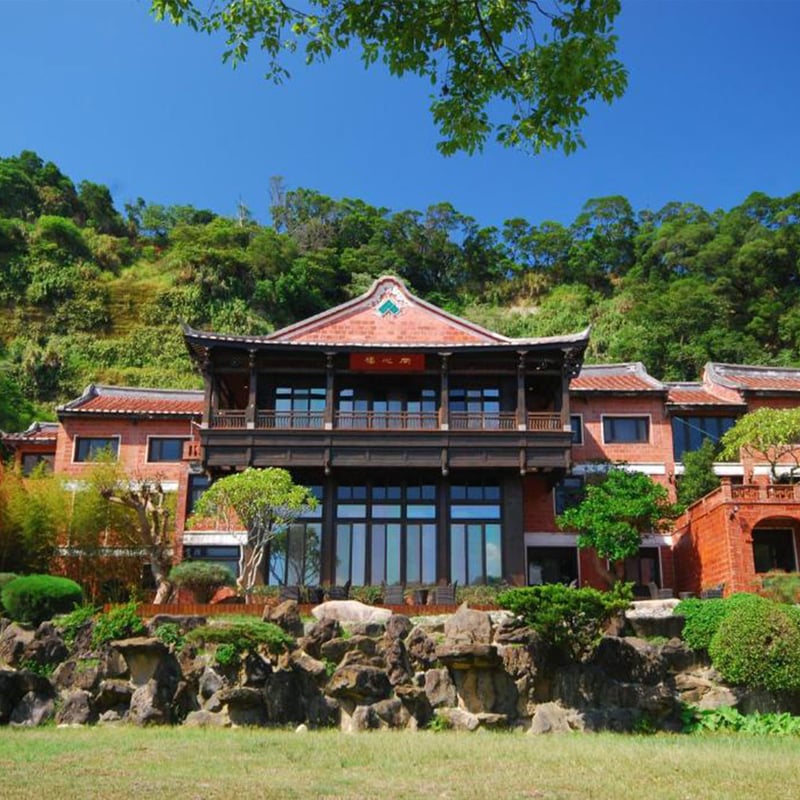
Taiwanese architect Han Baode drew from a Song Dynasty painting to create this 20-room retreat in Xinpu's wooded hills, where Jiangnan garden traditions meet Fujian craftsmanship and Baroque arcades. Hundreds of artisans hand-carved the woodwork that lines winding courtyards, each turn revealing new layers of philosophical intent. A contemplative escape for travelers seeking architecture as lived experience.
Hsinchu Travel Guide: Best Hotels, Restaurants & Experiences 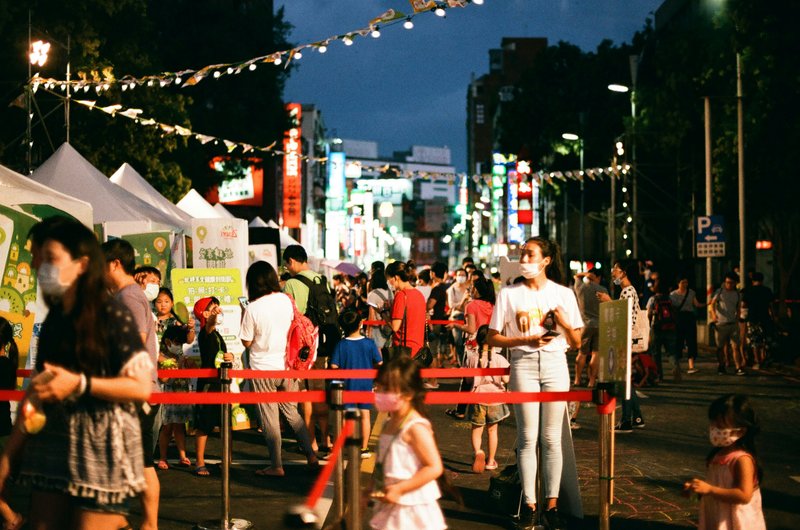
Explore Hsinchu
Hotels (1)
Restaurants (3)
Where to Stay

Small Luxury Hotels
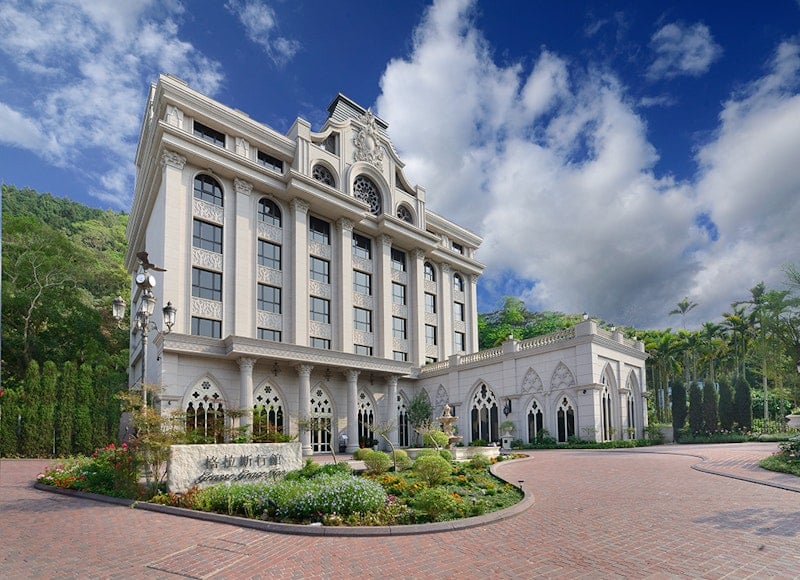
Gothic arches and a grand marble foyer set the tone at this nine-room manor inspired by Grasse, France's perfume capital. Rooms dressed in soft pastels and ornate bedheads open onto views of Miaoli's green hills, while Jasmine restaurant delivers refined French gastronomy beneath chandeliers. The setting suits families and wine enthusiasts drawn to Nanzhuang's certified Slow City pace and nearby Hakka villages.
Where to Eat

Michelin Selected
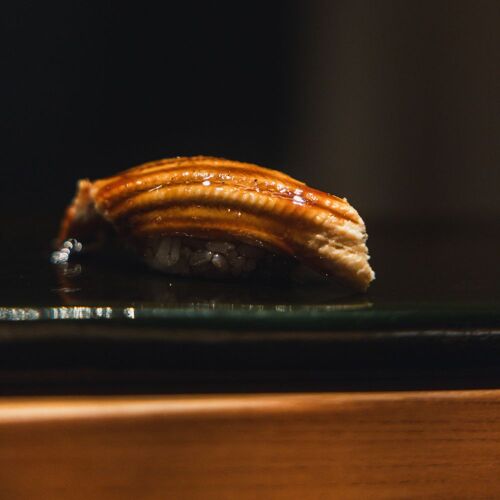
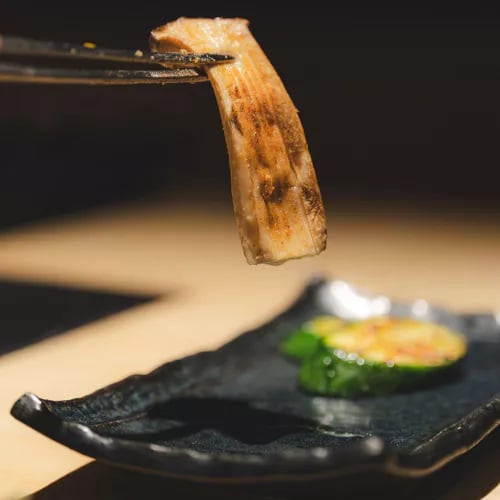
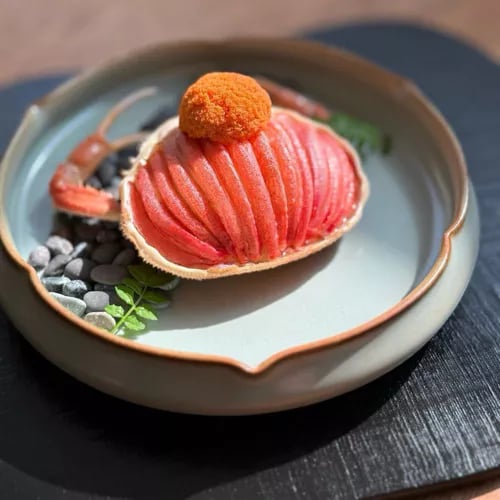
Cypress wood and refined tableware set a contemplative tone at this secluded Japanese address in Zhubei. The chef, formerly based in Taipei, presents three omakase progressions that move fluidly between raw preparations and cooked dishes, balancing tradition with invention. Toyosu-sourced fish arrives atop rice seasoned with a nuanced white-red vinegar blend, while a crispy spring roll packed with crabmeat, roe, and tomalley delivers concentrated umami.

Michelin Selected
A Japanese-trained chef returned to Hsinchu County to craft an omakase experience built on impeccable sourcing: most fish arrives directly from Tokyo's Toyosu Market, while prized catches like ishidai and nodoguro come from Taiwan's northeastern waters. The focused menu delivers ten-plus pieces of sushi, concluding with tamagoyaki and fragrant Oriental Beauty tea—a fitting tribute to the region's terroir.

Michelin Selected
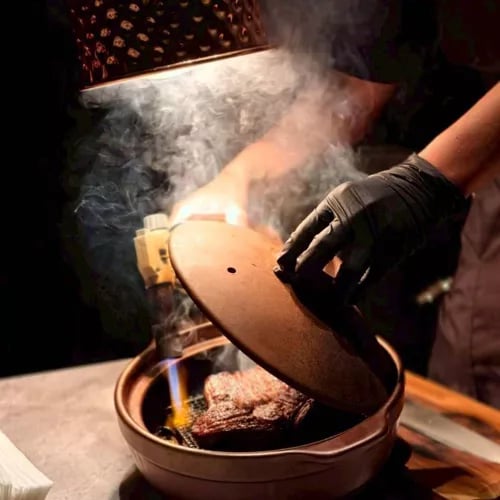
Beef connoisseurs seeking rare Japanese Wagyu cuts will find satisfaction at this Zhubei yakiniku specialist. The tableside grill delivers chateaubriand and zabuton—prized muscles seldom seen outside Japan—charred to precise doneness and paired with wasabi and garlic chips that amplify the meat's natural richness. The house-made Wagyu sausage deserves attention, while seafood and lamb options accommodate non-beef diners.

Michelin Selected
Stone walls and a wooden counter set a moody stage where European grill techniques absorb unmistakably Asian inflections. The six-cut meat selection features pork belly steeped in red koji, paired with salted mustard greens, while diced Wagyu flap steak arrives perfumed by pine needles, hay, and Chinese herbs. A house-made harissa-XO sauce amplifies every char-kissed bite.

Michelin Selected
A decade spent cooking across Japan and Taiwan informs the confident technique at this Hsinchu address, where Japanese foundations meet inventive flourishes. Grilled fish arrives seasoned with salt enriched by dried salmon roe, while Taitung's champion rice simmers in Mt Fuji spring water within a traditional donabe. The finale—koya tofu mousse beneath toffee sauce, strawberries, and pistachios—encapsulates the kitchen's playful precision.

Michelin Selected
SABI applies molecular gastronomy to vegetarian cooking, producing dishes that arrive as edible sculptures—familiar Japanese flavors reimagined through unexpected textures and architectural plating. The dining room embraces wabi-sabi aesthetics: raw stone, weathered wood, and trickling water bathed in low light. Counter seats offer the full theatre, each course unfolding like a quiet performance. A contemplative address for plant-based fine dining.

Bib Gourmand
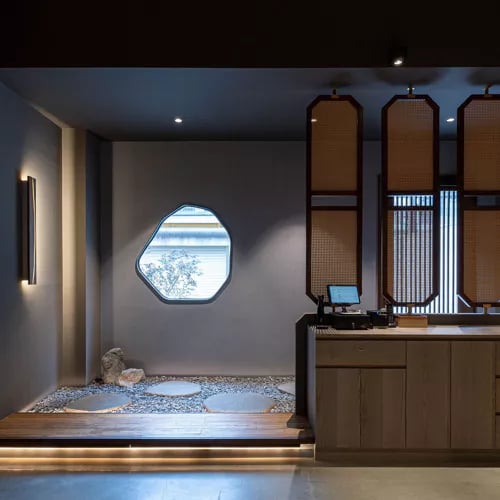
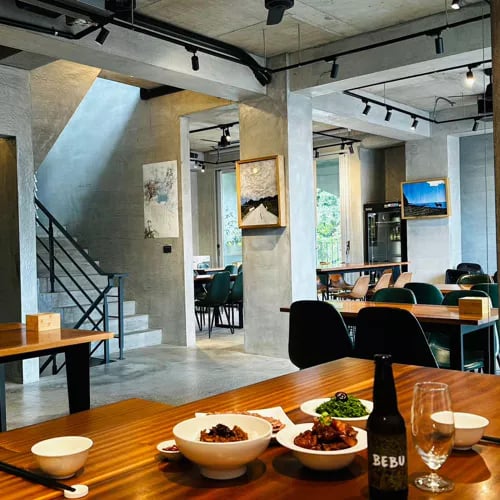
Three generations of flat rice noodle mastery anchor this Bib Gourmand address, where a béton brut villa down a quiet Beipu alley houses an open kitchen and stark minimalist interiors. The current steward has broadened the Hakka repertoire beyond the ancestral bantiao, though the braised pork—its skin melting into savoury-sweet glaze—remains the essential order. Arrive early; popular dishes vanish fast.

Bib Gourmand
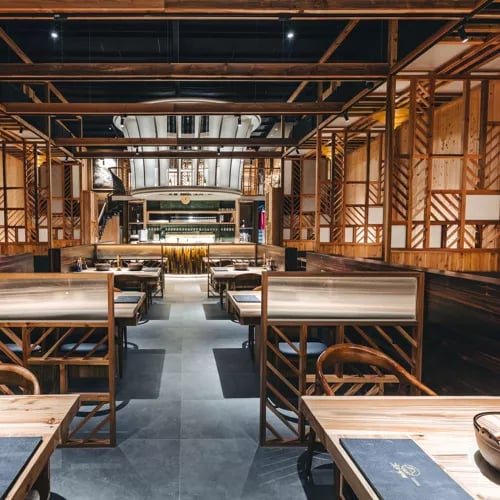
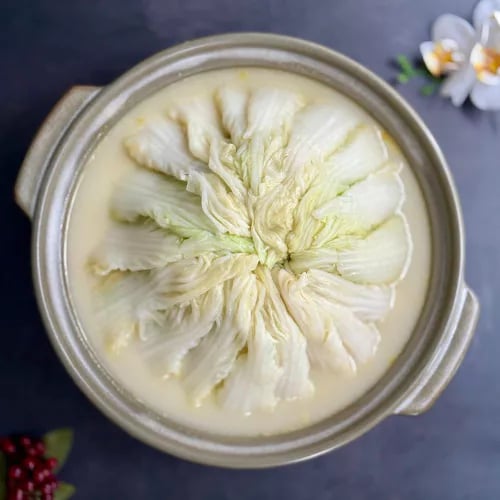
Two decades of loyal local patronage speak to Garden.V's mastery of Jiangzhe cuisine. The three-storey dining room, flooded with natural light through floor-to-ceiling windows, sets the stage for generous portions of regional classics. A glass display case tempts with cold appetizers—the kao fu, braised wheat gluten with mushrooms and bamboo shoot, delivers addictive savoury-sweet depth. Advance orders unlock the prized cabbage rice with Jinhua ham.

Bib Gourmand
A century-old farmhouse in Hsinchu County's countryside, Hung Chin serves rustic Hakkanese cooking with Bib Gourmand recognition. The owner-chef works directly with small local farms, building each day's menu around seasonal availability—there's no fixed offering, so calling ahead is essential. His stir-fries arrive with remarkable textural precision, vegetables still crisp, surfaces lacquered with intense wok hei.

Bib Gourmand
Four decades of mastery in Chinese cooking anchor this intimate Hakkanese table, where the chef reimagines regional classics through a health-conscious lens. The signature braised pork belly arrives with shredded bamboo shoot, its sauce lighter than tradition dictates, the fat and salt dialed back without sacrificing depth. Portions flex to accommodate any party size, though the limited seating makes reservations essential for this Bib Gourmand address.
Frequently Asked Questions
What makes Hsinchu's food scene different from Taipei?
+
Hsinchu's culinary identity is shaped by its Hakka population and local wind-dried specialties. The city is famous for rice vermicelli, produced in Nanliao where constant winds naturally dry the noodles. Hakka influences appear in dishes like lei cha (pounded tea) and stir-fried pork with dried tofu. The science park's international workforce has also brought diverse dining options that complement these traditional roots.
Which neighborhoods should visitors explore in Hsinchu?
+
The historic center around East Gate and Chenghuang Temple offers the densest concentration of heritage architecture and traditional food stalls. Nanliao Fishing Harbor provides waterfront dining and sunset views. Zhubei, across the Touqian River, has developed as a modern commercial district with contemporary restaurants and hotels catering to business travelers. Beipu, a short drive into the hills, preserves traditional Hakka village atmosphere with tea houses and old streets.
When is the best time to visit Hsinchu?
+
October through April offers the most comfortable weather, with the persistent winds that give the city its nickname providing natural cooling. Avoid July through September when typhoon season brings heavy rains. The Lantern Festival in early spring sees Chenghuang Temple at its most atmospheric, while the autumn months coincide with harvest celebrations in nearby Hakka communities.
Nearby Destinations
Explore Taiwan



Hsinchu
Known locally as the Windy City, Hsinchu sits on Taiwan's northwestern coast where sea breezes sweep through streets lined with Qing-dynasty temples and Japanese colonial architecture. The old town clusters around the East Gate and Chenghuang Temple, where fortune-tellers and traditional snack vendors operate beneath centuries-old eaves. Beyond this historic core, the Hsinchu Science Park has transformed the city into Taiwan's answer to Silicon Valley, drawing an international workforce that has reshaped the dining landscape with unexpected sophistication.
The city's Hakka heritage runs deep, evident in the rice noodle factories of Nanliao and the lei cha tea houses where ground sesame and peanuts are pounded tableside. Night markets like Chenghuang Temple Market serve local specialties — pork balls, oyster omelets, and the city's signature rice vermicelli — while a newer wave of chef-driven restaurants has emerged around Zhubei's high-rise district. Accommodation options cluster near the train station and science park, offering convenient access to both the city's tech-industry present and its temple-filled past.