Perched between floors 21 and 30 of Almaty's tallest tower, this 145-room retreat commands panoramic views of the snow-draped Alatau Mountains from freestanding soaking tubs and the 30th-floor Vista Restaurant alike. Evening entertainment takes theatrical form at Seven Bar, where Le Petit Chef's 3D projections dance across dinner plates. A hammam, sauna, and sky-high indoor pool complete the vertical sanctuary.
Nineteen modular cabins climb the Medeu Gorge, each built from wood, stone, and metal with panoramic windows framing the Almaty peaks. Private saunas and heated floors counter the mountain chill, while hiking trails begin at the doorstep—ski slopes minutes away in winter. The restaurant focuses on regional Kazakh dishes prepared with seasonal local produce, rewarding guests who prefer alpine solitude over urban convenience.
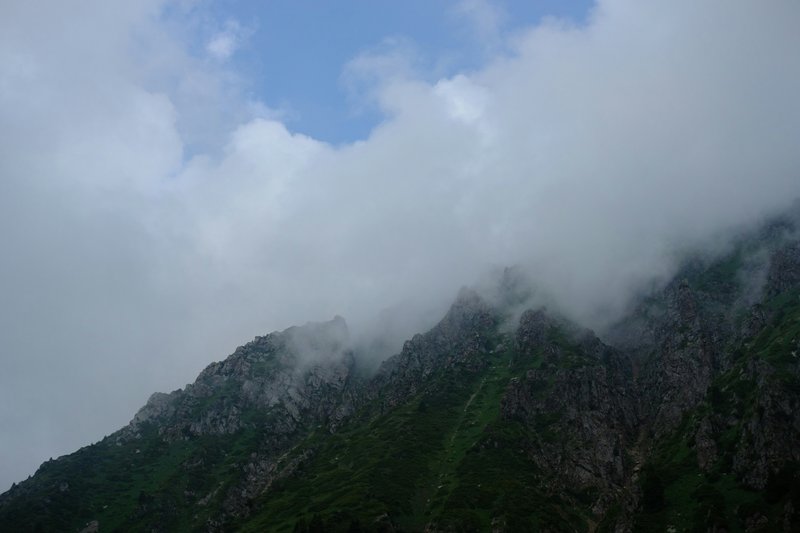
Accessible only by cable car, this ten-room retreat sits at 3,200 meters on Shymbulak's summit—among the world's highest mountain hotels. Named for Tengri, the ancient Turkic sky deity, it channels that elemental spirituality through floor-to-ceiling windows framing Trans-Ili Alatau glaciers. Each room includes a private Finnish sauna and ski storage. Altitude restrictions bar children under six, ensuring meditative quiet for adults seeking genuine remoteness.
Frequently Asked Questions
What neighborhoods should I focus on when visiting Almaty?
+
The Dostyk and Samal districts concentrate most high-end addresses and international dining. For historical character, explore the area around Panfilov Park and the pedestrianized Zhybek Zholy street. The Esentai district offers contemporary architecture and upscale shopping.
When is the best season to visit Almaty?
+
Late spring (May-June) brings mild temperatures and blooming apple orchards — the city's name derives from 'alma' meaning apple. Autumn (September-October) offers golden foliage against mountain backdrops. Winter draws skiers to nearby Shymbulak resort, just 25 kilometers from the city center.
What local dishes should I try in Almaty?
+
Beshbarmak (boiled meat with flat noodles) remains the ceremonial centerpiece of Kazakh cuisine. Sample kumys (fermented mare's milk) and shubat (camel milk) at the Green Bazaar. The city's Korean-Kazakh population has created distinctive fusion dishes, particularly at family-run cafés in the Malaya Stanitsa area.
Kazakhstan's former capital sprawls beneath the snow-capped Zailiysky Alatau range, a dramatic backdrop that shapes the city's identity. The tree-lined avenues of the Samal and Dostyk districts host the most compelling addresses, where Soviet-era monumentalism gives way to contemporary glass towers and restored merchant houses. Panfilov Park and its wooden Zenkov Cathedral anchor the historic core, while Esentai Tower marks the commercial pulse of a city increasingly attuned to international standards.
The dining scene draws from the Silk Road's legacy — lagman noodles, beshbarmak, and plov share menus with Georgian khachapuri and Korean-Kazakh fusion born from the region's deportation history. Kok Tobe's hillside restaurants offer panoramic sunset views, and the Green Bazaar remains essential for sampling kurt, horse sausage, and Central Asian dried fruits. Cocktail culture has arrived in earnest along Dostyk Avenue, where converted Soviet apartments now house speakeasies and rooftop bars.