Skip to content

Ubud

1. Mandapa, a Ritz-Carlton Reserve

3 Michelin Keys· Forbes Five-Star

Designed as a traditional Balinese village complete with temple and working rice paddies, Mandapa occupies a secluded stretch of the Ayung River valley just ten minutes from Ubud. Villas reach up to 2,000 square meters—the island's largest—while the spa offers sessions with a Balian healer and chakra balancing rituals. Families appreciate Mandapa Camp, where resident cows and an organic farm keep young explorers engaged.

2. Viceroy Bali

1 Michelin Key· Forbes Five-Star· Small Luxury Hotels

Perched above Bali's Valley of the Kings, this family-owned retreat arranges forty thatched villas along a dramatic ridge overlooking the Petanu River gorge—each with a private infinity pool and views of monkeys traversing the jungle canopy. The Art Deco Apéritif restaurant ranks among Indonesia's finest, while Lembah Spa merges Balinese healing arts with Swiss techniques. A private helipad and owner-curated tours complete the picture for travelers seeking seclusion with substance.

3. Buahan, a Banyan Tree Escape

2 Michelin Keys

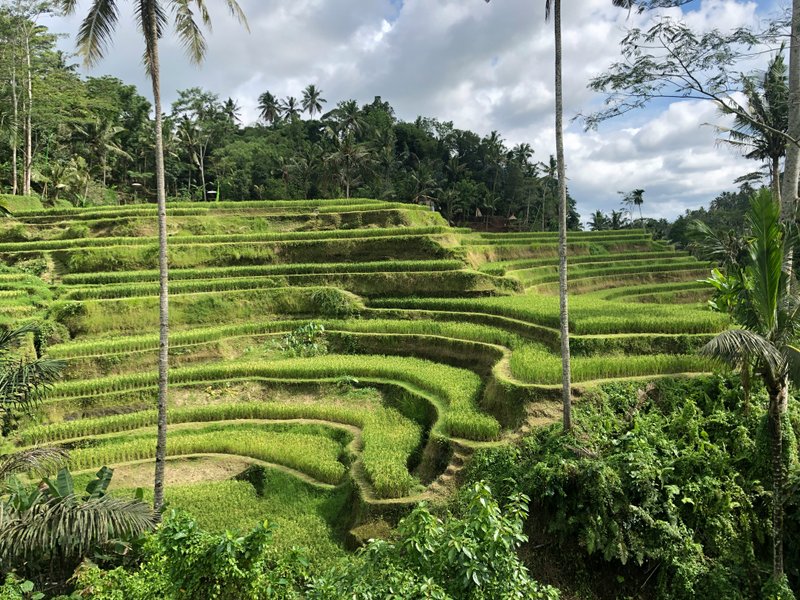
Sixteen villas without walls or doors open onto uninterrupted rainforest and rice terraces north of Ubud, each a private theatre of jungle and distant volcanic peaks. A suspended infinity pool hovers above the canopy, while the Toja Spa draws on locally cultivated herbs. The single restaurant serves five-course, predominantly plant-based dinners from the estate's own farm—adults only, radically open, deeply quiet.

4. COMO Shambhala Estate

1 Michelin Key· Forbes Five-Star

Sprawling across 23 acres of jungle-covered riverbank north of Ubud, this wellness estate draws from a natural spring locals consider sacred. Resident Ayurvedic doctors, Oriental medicine masters, and yoga instructors guide personalized programs, while traditional oil massages rank among Bali's finest. Guest rooms in five palatial residences showcase Balinese teakwood and Chinese antiques; retreat villas by Koichiro Ikebuchi add private heated pools and steam rooms.

5. Capella Ubud

1 Michelin Key· Forbes Five-Star

Bill Bensley's theatrical imagination runs wild across this jungle ravine property, where 23 canvas tents channel Dutch colonial explorers through themed interiors—the Baker's adorned with traditional utensils, the Photographer's with vintage equipment. Batik-lined walls and flower-shaped rain showers define each space, complemented by private saltwater plunge pools. The Auriga Spa conducts moon-cycle treatments in canvas pavilions, while complimentary afternoon cocktails await in the Officer's Tent.

6. Four Seasons Resort Bali at Sayan

1 Michelin Key· Forbes Five-Star

A suspended walkway crosses a lotus pond to reach this striking modernist retreat perched above the sacred Ayung River, where space-age concrete architecture built with traditional materials cascades down terraced hillsides. The intimate 60-room property keeps restaurants to 30 seats and wraps its bi-level pool along the riverbank. The jungle-enclosed Sacred River Spa crafts treatments from organic ginger root, fenugreek, and turmeric, while on-site gardens supply the kitchens and guests can plant rice alongside local farmers.

7. Amandari

1 Michelin Key· Forbes Five-Star

Architect Peter Müller shaped Amandari as a traditional Balinese village above the Ayung River gorge, its teak and mahogany pavilions linked by stone pathways and small temples where staff place daily offerings. The spa draws on ancient melukat purification rituals with black rice and volcanic clay treatments. For total seclusion, the five-pavilion Amandari Villa sits among working rice terraces with a private two-tiered pool and dedicated staff.

8. Hanging Gardens of Bali

Forbes Five-Star

A funicular descends through dense jungle to reach forty thatched-roof villas, each with a private plunge pool suspended above the Ayung River gorge. The resort's signature terraced infinity pool, designed to echo Balinese rice paddies, has become one of the world's most photographed. Open-air spa pavilions channel local healing traditions, while Three Elements restaurant serves Indonesian-Western fusion beneath the canopy—try the lavish nasi goreng satu juta crowned with lobster and scallops.

9. Hoshinoya Bali

Hoshinoya Bali translates the Japanese ryokan tradition to the Payon Valley through thirty villas connected by winding pools that trace the terraced landscape. Balinese artisanship meets minimalist Japanese interiors, while the spa offers valley-view yoga sessions and traditional massage. Children find activities and a dedicated library, making this a rare luxury retreat that accommodates families without compromising its meditative atmosphere.

10. Amandarix (Bali)

Perched above the Ayung Valley's jungle canopy, Amandari commands one of Bali's most dramatic settings—wild, green, seemingly infinite. The boutique property has spent three decades perfecting its interpretation of Balinese village architecture, with pavilion-style suites opening onto rice terraces and ravine views. Families find genuine welcome here, with batik workshops and painting classes keeping younger guests engaged while parents surrender to the valley's meditative stillness.

Frequently Asked Questions

Which Ubud neighborhoods offer the most scenic hotel locations?

+

Sayan and Kedewatan along the Ayung River gorge provide dramatic valley views and proximity to river rafting. Tegallalang to the north offers rice terrace panoramas, while Penestanan west of the center delivers quieter village atmosphere with easy walking access to town.

What is the best time of year to visit Ubud?

+

The dry season from April to October brings lower humidity and minimal rainfall, ideal for outdoor activities and temple visits. May and September offer good weather with fewer visitors than peak months of July and August. The wet season sees afternoon showers but lush landscapes and lower rates.

How far is Ubud from Ngurah Rai International Airport?

+

The drive from Bali's main airport takes approximately 90 minutes to two hours depending on traffic, which can be heavy through Denpasar and around Gianyar. Most hotels arrange private transfers, and the route passes through craft villages selling woodcarvings, batik, and silver jewelry.