Skip to content

Cusco

Where to Stay

1. Inkaterra La Casona

2 Michelin Keys· Relais & Châteaux

A sixteenth-century manor that once sheltered conquistadors, Inkaterra La Casona preserves its colonial gravitas through eleven suites arranged around a Spanish courtyard, each fitted with carved wooden doors, stone fireplaces, and underfloor heating. The intimate scale—small enough for exclusive buyouts—suits travelers seeking a refined base before Sacred Valley expeditions or the Inca Trail to Machu Picchu.

2. Monasterio, A Belmond hotel

1 Michelin Key· Forbes Five-Star

A sixteenth-century Jesuit seminary risen from Inca foundations, Monasterio spreads across stone cloisters and a courtyard shadowed by a 300-year-old cedar. The 117 rooms—former monks' quarters—retain antique furnishings and gilded artwork beneath frescoed ceilings, with oxygen enrichment easing altitude adjustment. Evening dining at El Tupay unfolds by candlelight in the vaulted refectory, opera voices echoing off centuries-old walls.

3. Palacio Nazarenas, A Belmond Hotel

1 Michelin Key· Forbes Five-Star

A 17th-century convent turned all-suite sanctuary, Palacio Nazarenas layers Inca stonework beneath colonial grandeur—visible through glass-floored spa treatment rooms where therapists work with pink Andean salt and purple corn. The 55 suites pump supplemental oxygen to ease altitude effects, while chef Pía León's Mauka restaurant serves high-altitude ceviche with locally foraged ingredients. Cusco's only outdoor heated pool completes the refuge.

4. JW Marriott Cusco

Forbes Five-Star

A sixteenth-century convent built over Incan foundations required six years of meticulous restoration before becoming this 153-room property steps from Plaza de Armas. Ancient stonework surfaces in select rooms; archaeological discoveries line the corridors in glass vitrines. Oxygen-enriched accommodations ease altitude adjustment at 3,400 meters, while Qespi restaurant showcases market-sourced Peruvian cooking beneath vaulted ceilings. After dark, the city's largest courtyard glows with lantern light and fire pits.

5. Palacio del Inka (Peru)

Forbes Five-Star

Five centuries of history unfold within this former palace facing Coricancha, the sacred Temple of the Sun. The 203 rooms showcase vaulted, hand-painted ceilings and baroque antiques from Peru's colonial era, while 195 artworks trace the region's artistic heritage from pre-Incan times. The spa features Cusco's only hydrotherapy circuit, and the guest-exclusive Inti Raymi restaurant pairs Peruvian cuisine with sommelier-selected wines.

6. Antigua Casona San Blas

Thick adobe walls and hand-carved balconies date this San Blas mansion to the late 18th century, though a Ministry of Culture restoration brought modern comforts to its 48 rooms without disturbing the colonial bones. The central courtyard, warmed by fire pits and anchored by a relaxed bar, draws guests together after days exploring Cusco's steep cobbled streets. A spa with sauna and jacuzzi offers recovery at altitude.

What to Do

1. Spa Yacu Therapy Room

Relais & Châteaux

Within a 16th-century colonial manor steps from Cusco's main square, this intimate therapy room channels Andean wellness traditions through botanical treatments. Quinoa extracts, Peruvian vine essences, eucalyptus oils, and coca leaf preparations—prized for their cellular-level skin rejuvenation—form the basis of each ritual. The single treatment space maintains a contemplative atmosphere suited to travelers seeking restorative pause between highland explorations.

Frequently Asked Questions

Which neighborhoods in Cusco are best for upscale accommodation?

+

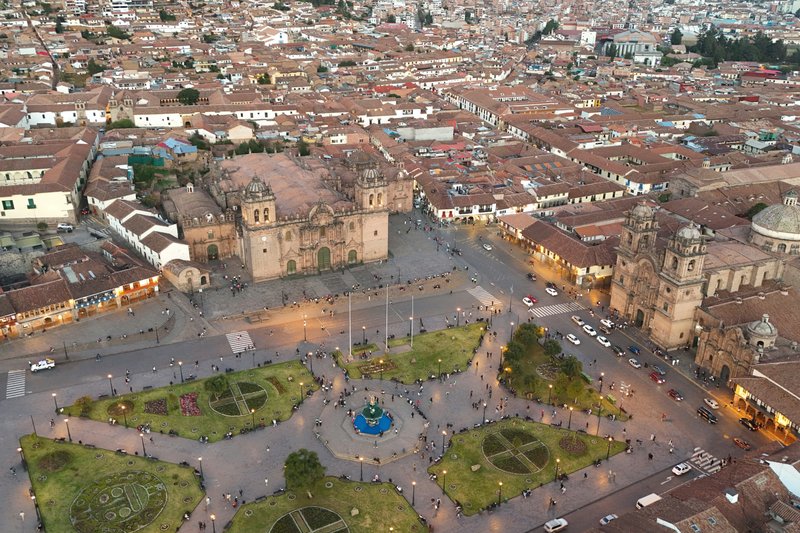
The centro histórico around Plaza de Armas offers converted colonial mansions and convents with original stonework. San Blas, the artisan quarter uphill from the main square, provides boutique properties on quieter cobblestone streets. For countryside settings, the Sacred Valley towns of Urubamba and Ollantaytambo host hacienda-style retreats.

How does altitude affect a stay in Cusco?

+

At 3,400 meters, most visitors need a day or two to acclimatize. Quality hotels provide coca tea on arrival and oxygen in rooms upon request. Starting with light meals, avoiding alcohol initially, and scheduling strenuous activities for later in the trip helps. Many travelers spend their first nights in Cusco before descending to the Sacred Valley.

What is the best time of year to visit Cusco?

+

The dry season from May through October brings clear skies and cold nights, ideal for exploring ruins and trekking. June hosts Inti Raymi, the Festival of the Sun, with processions from Qorikancha to Sacsayhuamán. The wet season from November to March sees afternoon showers but fewer crowds and green hillsides throughout the Sacred Valley.