

Explore by Region
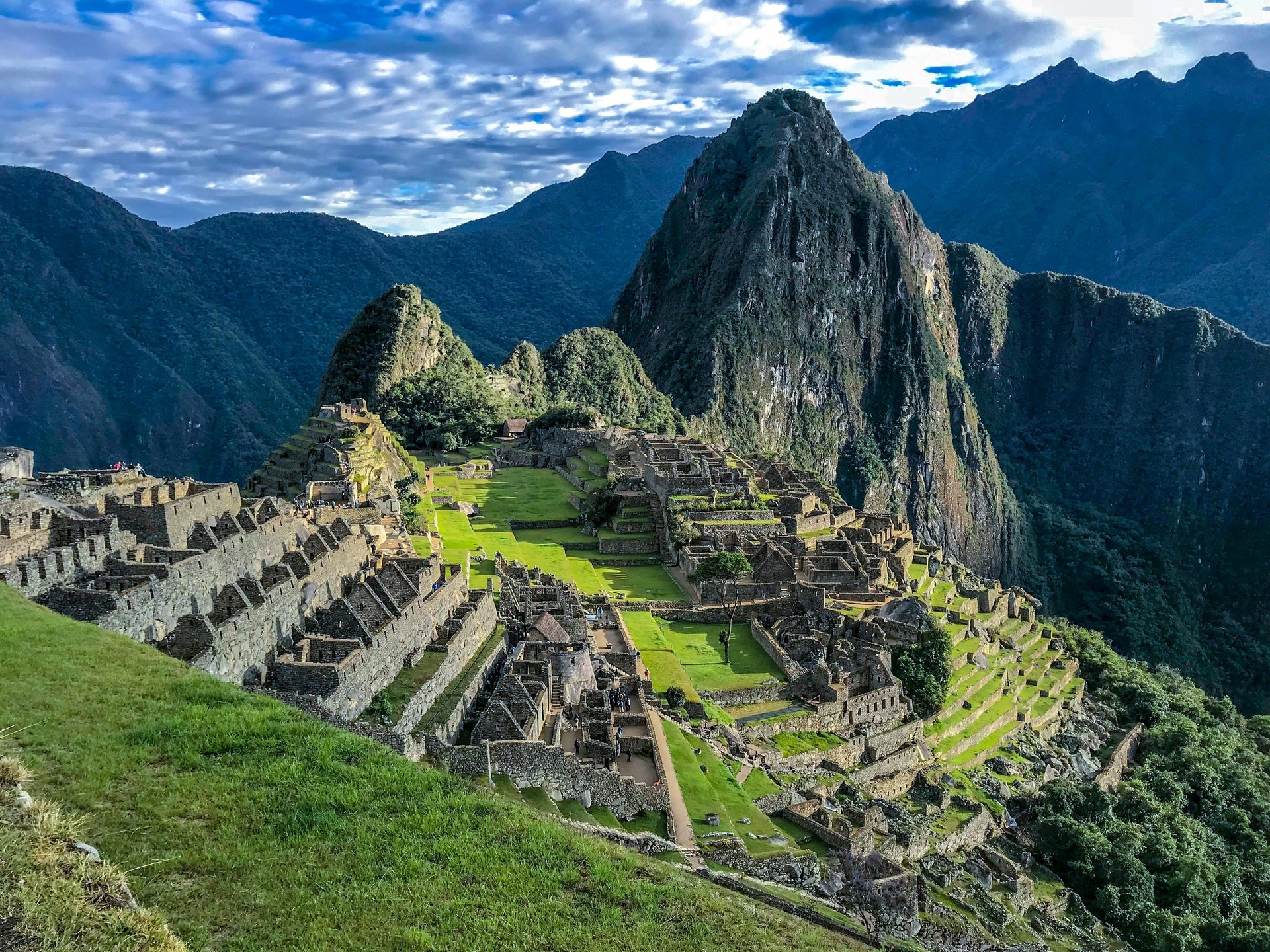
Cusco & Sacred Valley
Lima
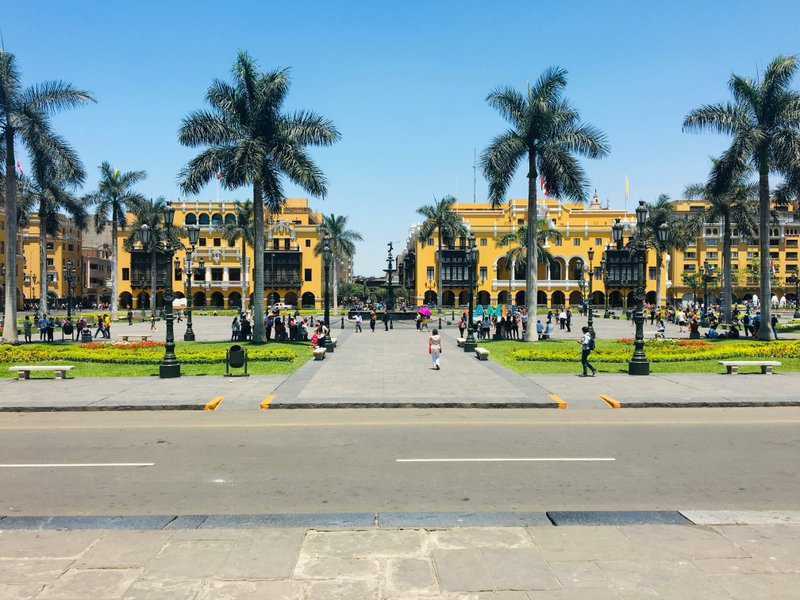
Arequipa & the South
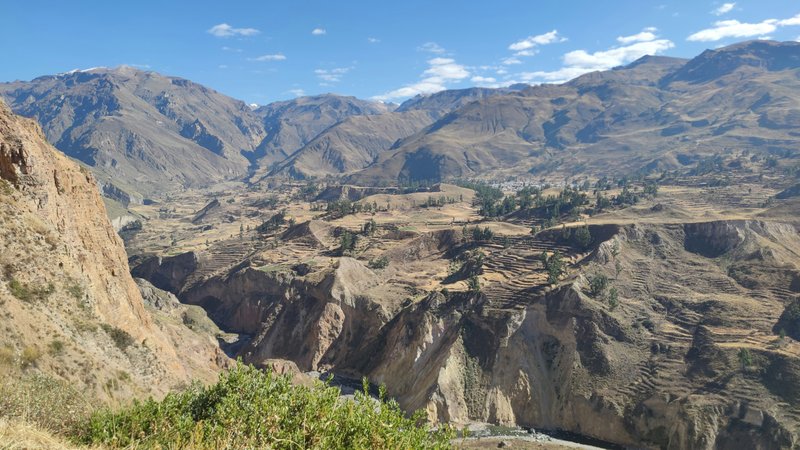
Arequipa & Colca Canyon
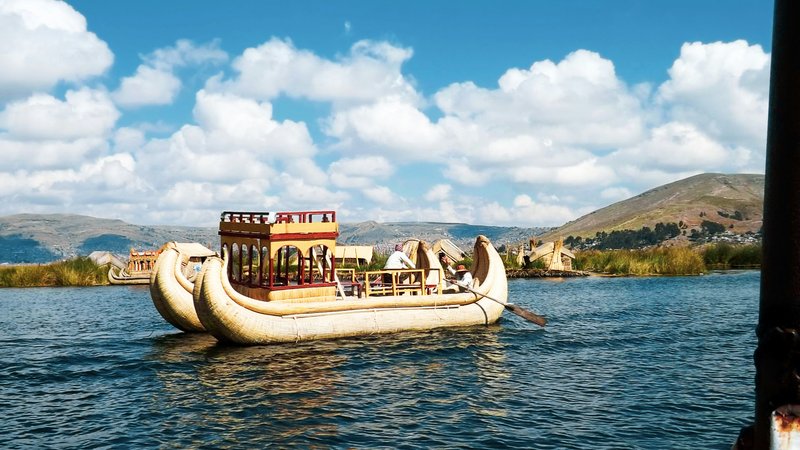
Puno & Lake Titicaca
Amazon

Puerto Maldonado
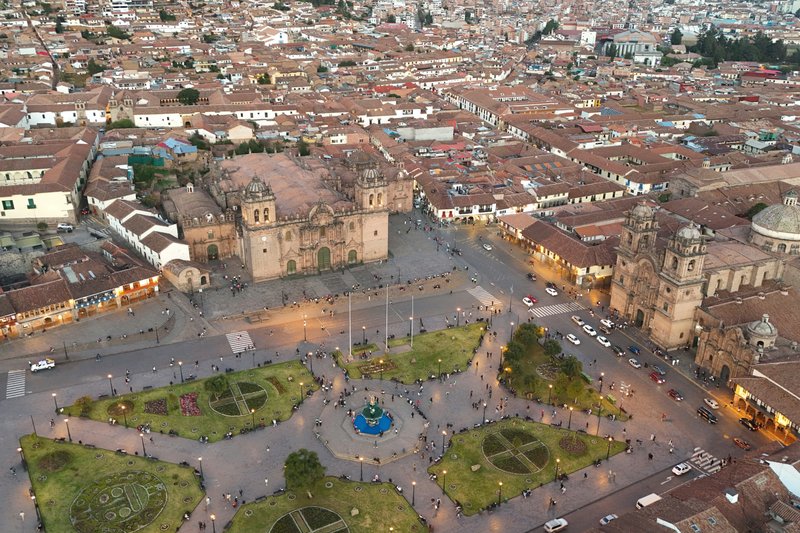
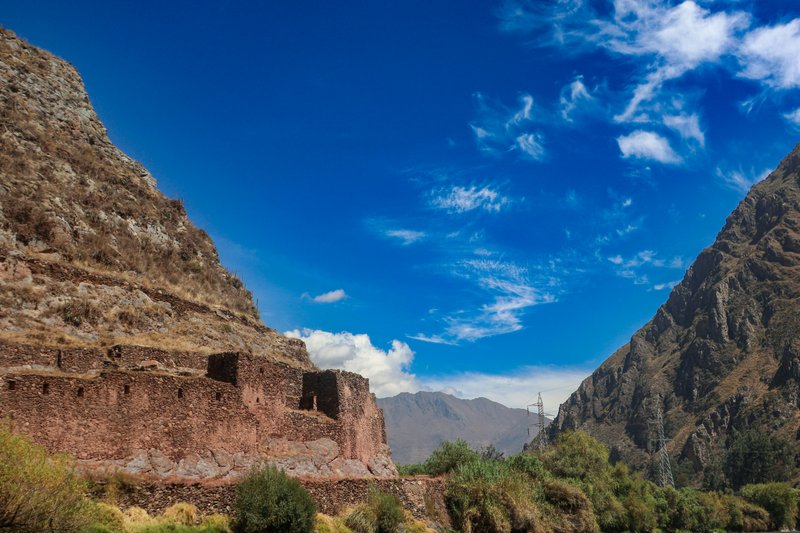
From the windswept altiplano around Lake Titicaca to the humid forests of the Amazon basin, Peru's geography reads like a catalogue of extremes. The colonial grid of Cusco, built over Inca foundations, anchors the southern highlands; Lima's clifftop districts — Miraflores, Barranco, San Isidro — face the Pacific with a mix of pre-Columbian temples and Art Deco villas. The Sacred Valley cradles terraced farmland and stone villages between mountain walls, while Arequipa's sillar-block mansions stand in the shadow of snow-capped volcanoes. Coastal desert gives way to cloud forest, and the rhythms of daily life shift accordingly: cevicherías open at midday in fishing towns, anticucho vendors set up charcoal grills after dark in Lima, and high-altitude markets convene at dawn.
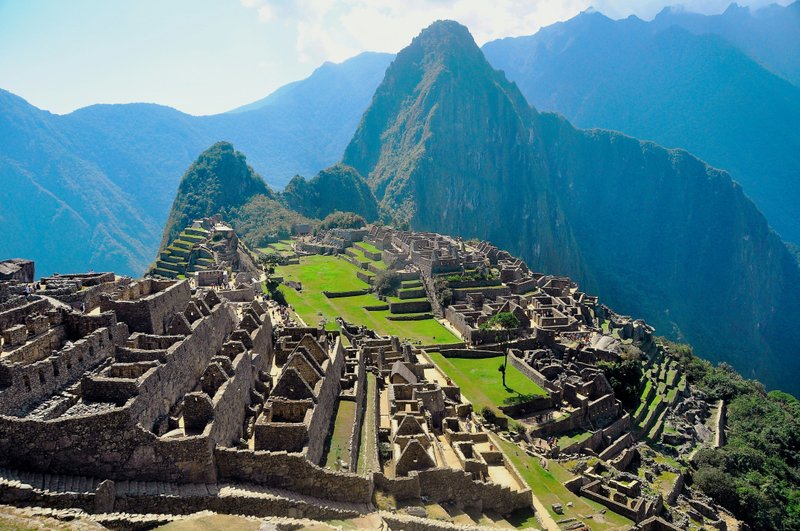
Peru's hospitality scene reflects this topographic breadth. In Cusco and the Sacred Valley, restored colonial houses and purpose-built lodges cater to travellers en route to Machu Picchu; many incorporate local textiles, stone fireplaces, and oxygen-enriched rooms. Lima's dining culture — rooted in Nikkei technique, Andean tubers, and Amazonian ingredients — has made the capital a reference point for modern Peruvian cooking. Brazil and Argentina share the continent, but Peru's culinary and architectural identity remains distinct, shaped by centuries of Indigenous, Spanish, African, Chinese, and Japanese influence.