Glass walls dissolve the boundary between bedroom and cloud forest at this 24-room eco-lodge set within a private 3,000-acre conservation reserve. The Dragonfly aerial gondola carries guests through the canopy for bird's-eye wildlife observation, while modern interiors incorporate indigenous building techniques. A secluded spa opens to the surrounding wilderness, and hyper-local cuisine reflects the Chocó region's biodiversity. Ideal for nature-focused families with children four and older.
This Renaissance-style mansion commands a prime corner of Plaza San Francisco, its 1920s restoration preserving painted ceilings, murals, and Art Deco furnishings throughout thirty-one rooms. An interior courtyard with palm trees and original fountain anchors the ground floor, while the rooftop terrace frames views stretching to snow-capped Volcán Cayambe. The restaurant champions Ecuadorean ancestral cuisine; families appreciate interconnecting rooms and a relaxed residential atmosphere.
A 19th-century building salvaged from demolition and reconstructed plank-by-plank on the banks of the Daule river, Hotel del Parque occupies a 10-acre wildlife sanctuary and botanical garden outside Guayaquil. The 44 rooms balance period character with contemporary comfort. Birdwatching and garden tours fill the days; Casa Julián serves refined seafood inflected with avocado, banana, and cocoa, while open-air El Jardín offers a lighter alternative.
A 17th-century residence in Quito's Old Town, Illa takes its name from the Quechua word for sacred light. Ten rooms preserve period architecture while introducing modern sleep technology. The kitchen trades on Ecuadorian nostalgia—childhood soups, regional comfort dishes—while coffee rituals and florally scented linens evoke domestic memory. A small spa with jacuzzi and garden completes this intimate, sensory retreat.
A 1930s Spanish colonial landmark restored as a 26-room boutique hotel, Hotel Otavalo preserves its original brick archways, exposed stone walls, and heavy wooden doors carved with intricate reliefs. Rooms display art objects and antiques alongside hand-carved headboards and coffee stations stocked with local beans. The rooftop bar surveys the Andes beyond terracotta rooftops, while the restaurant draws on ancestral Ecuadorian recipes—ideal for travelers lingering beyond Otavalo's famous market.
Solar panels and water recycling systems power this 150-room property without the earnest aesthetics typical of eco-hotels—interiors instead showcase Ecuadorian craftsmanship and volcanic-inspired design. The rooftop Altitude restaurant serves Ecuadorian-Mediterranean plates against Andean panoramas. A spa with indoor pool, jacuzzi, and sauna offers recovery at elevation, while the in-house connection to a veteran Galápagos tour operator streamlines island expedition planning.
Pink marble quarried locally forms the French-inspired façade of this former newspaper headquarters in Cuenca's UNESCO district. Inside, exposed brick archways and hand-carved headboards honor indigenous bahreque traditions, while rooms feature black marble bathrooms and Jacuzzis overlooking the Tomebamba River. The third-floor restaurant frames the cathedral's blue domes; above, a rooftop bar surveys the Andes in panoramic sweep.
A working hacienda with aristocratic roots, this 19-room estate delivers an immersive Andean countryside experience. Days unfold between horseback rides through highland pastures, traditional embroidery workshops, and encounters with the on-site condor conservation program. Families find particular appeal here—children can try their hand at milking cows while interconnecting rooms keep everyone close. Hearty, homemade meals anchor each evening.
A 19th-century mansion once belonging to the president's son now operates as a 19-room boutique hotel in central Cuenca. Ornate courtyards and lush gardens preserve the residence's aristocratic character, while thoughtful family programming—cooking classes, child-friendly spa sessions—makes it a rare find for travelers with children seeking heritage properties that accommodate rather than merely tolerate younger guests.
Frequently Asked Questions
Which neighborhoods in Quito are best for upscale accommodations?
+
The historic center offers converted colonial properties and hacienda-style stays near Plaza Grande and La Ronda. For contemporary design hotels and easier access to restaurants, La Mariscal and the northern business district along Avenida 12 de Octubre provide more options. La Floresta suits travelers seeking a quieter, artistic atmosphere within walking distance of galleries and independent cafés.
What is the best time of year to visit Quito?
+
Quito sits near the equator, so temperatures remain consistent year-round — typically 10-21°C. The drier months from June through September see less afternoon rain and clearer views of surrounding volcanoes like Cotopaxi. December through May brings more precipitation, usually as brief afternoon showers that rarely disrupt plans.
How does Quito's altitude affect visitors?
+
At 2,850 meters, Quito requires some adjustment. Most visitors experience mild symptoms — shortness of breath on stairs, occasional headaches — that pass within a day or two. Hotels often provide coca tea, and taking it slow the first 24 hours helps. Those planning excursions to higher elevations like Cotopaxi should allow time to acclimatize in Quito first.
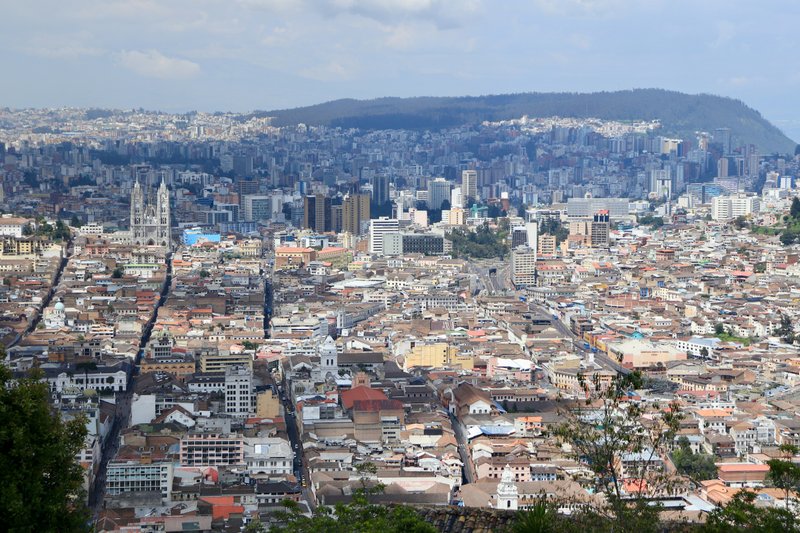
Quito sprawls across a narrow Andean valley at 2,850 meters, its colonial center a UNESCO-protected grid of whitewashed churches, ironwork balconies, and cobbled plazas. The historic quarter clusters around Plaza Grande, where the Presidential Palace faces the Cathedral — evenings here bring brass bands and the smell of empanadas from corner vendors. North along Avenida Amazonas, La Mariscal delivers a different energy: international restaurants, rooftop bars, and boutique hotels in converted mid-century villas.
The city's geography creates distinct micro-neighborhoods. La Floresta attracts creative types with its galleries and third-wave coffee shops. Guápulo tumbles down a hillside toward the valley, village-like despite being minutes from the center. For dining, cevicherías serve coastal-style preparations while contemporary Ecuadorian restaurants work with Sierra ingredients — tree tomatoes, melloco tubers, fresh trout from highland lakes. The dining scene remains concentrated but ambitious, with young chefs returning from abroad to reinterpret Andean traditions.