French owners Raoul and Stéphanie Fenestraz have shaped this Córdoba province estancia into something closer to a country palace, with vaulted ceilings, curated antiques, and haute cuisine built around their own beef, mutton, and garden vegetables. Days drift between polo lessons, horseback rides through gaucho country, and visits to nearby Jesuit churches, while evenings bring convivial asados and local wine tastings. The full spa complex and outdoor pool suit families seeking refined rusticity.
Where to Stay
A hundred-year-old estancia spread across 100 hectares of Andean foothills, House of Jasmines keeps just 14 rooms dressed in hand-embroidered 400-thread linens and four-poster beds. La Table restaurant cooks meat in a traditional earthen oven beside an open hearth, while the garden hosts elaborate asado barbecues under centuries-old trees. A full spa with Turkish bath and jacuzzi rounds out the unhurried days.
Architect owners from Buenos Aires's competitive boutique scene transformed this colonial mansion near Salta's main square into an eleven-room concept hotel, each space honoring Argentine historical figures—indigenous tribes, gauchos, a feminist sculptor. Masculine leather armchairs, dark wood, and oil paintings in slate grey and deep red fill the interiors, while a tiled patio, garden, and cozy library reward those who linger.
Spanish tile roofs and stucco walls give this ten-room family property the air of an Andalucian manor, while indigenous textiles and local craftsmanship fill the interiors with regional character. Eight rooms feature private jacuzzis beside floor-to-ceiling windows framing the Tres Cerritos foothills. A garden pool, sun-drenched solarium, and quiet residential setting suit travelers seeking intimacy over scale. Adults and children ten and older only.
Among Argentina's oldest estancias, El Bordo de las Lanzas wraps guests in living history—antique firearms line the walls, leather-bound volumes spill from shelves, and restored carriages rest just outside bedroom doors, all maintained with meticulous care. The gardens surrounding the property are immaculate. Families traveling with children of any age find genuine welcome here, as do guests with pets.
Twelve rooms occupy a 1,360-acre wine estate where the Andes rise sharply behind endless vineyard rows. Grace Cafayate splits the difference between rustic Patagonian estancia and sleek Porteño boutique, with a spa that incorporates grapes from the surrounding vines into its treatments. One of Argentina's most prestigious championship golf courses anchors the property, while the restaurant applies refined contemporary technique to regional cuisine.
What to Do
After days spent in the saddle exploring the Sierras de Córdoba or practicing polo on the estancia grounds, El Colibri offers a complete wellness circuit: hammam, sauna, hot tub, and outdoor pool set against mountain panoramas. Massages provide restorative counterpoint to the property's adventure-focused rhythm, while the authentic Argentine countryside setting ensures relaxation feels earned rather than merely indulgent.
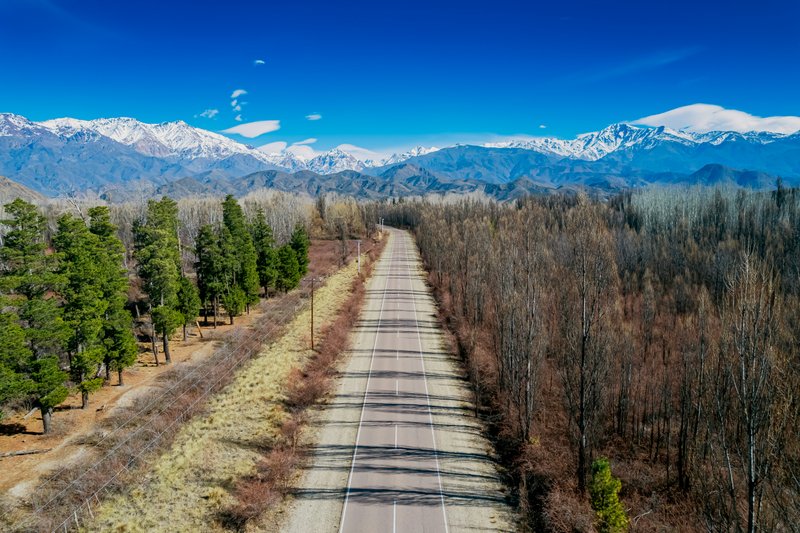
Spread across 300 square meters, this spa offers sauna, hammam, and tension-releasing treatments for individuals or couples amid an estate where centuries-old trees shade 100 hectares of flowering jasmine. The setting draws on Quechua heritage—a landscape where wellness feels ancestral. Afterward, tea service beside the heated outdoor pool unfolds against the snow-capped Andes, extending relaxation into the golden afternoon light.
Frequently Asked Questions
When is the best time to visit Salta for wine touring?
+
The harvest season from February to April brings activity to the Calchaquí Valley bodegas, though the dry autumn months of April and May offer clearer skies and cooler temperatures ideal for exploring the high-altitude vineyards around Cafayate without summer rains.
How accessible are the Quebrada de Humahuaca and Calchaquí Valleys from Salta city?
+
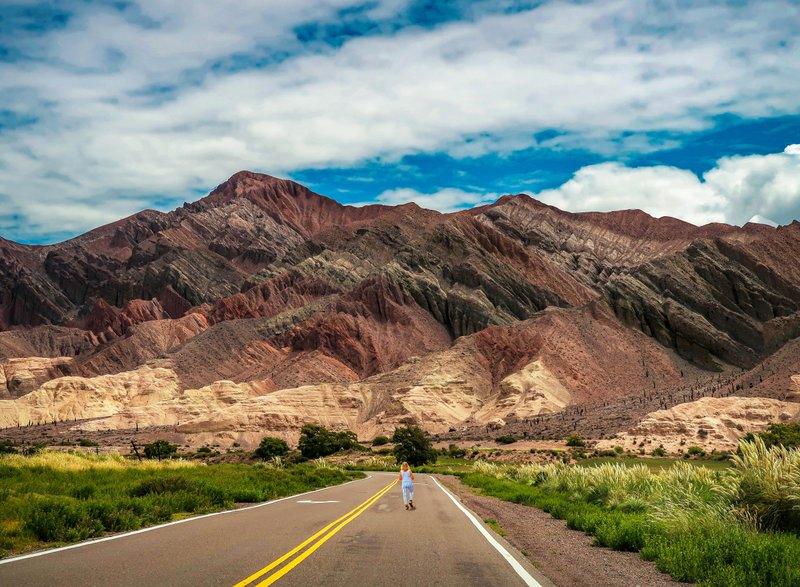
The Quebrada lies roughly two hours north via Ruta 9, passing through Purmamarca and its cerro de los siete colores. The Calchaquí route south through Cachi requires a full day — the unpaved Ruta 40 winds through spectacular desert landscapes but demands patience and ideally a 4x4 during wet season.
What local dishes should visitors try in Salta?
+
The empanada salteña — baked, juicy, seasoned with cumin and paprika — differs markedly from versions elsewhere in Argentina. Locro, a hearty white corn and meat stew, appears on menus during national holidays. Humita en chala, corn paste steamed in husks, and tamales reflect the region's Andean culinary heritage.
Nearby Destinations
Explore ArgentinaSalta sits at 1,200 metres in the Lerma Valley, ringed by the Andes and the rust-red Quebrada de Humahuaca to the north. The colonial centro histórico remains remarkably intact — terracotta rooftops, wrought-iron balconies, and Plaza 9 de Julio anchored by the pink Cathedral and the Cabildo museum. Calle Balcarce, once the city's bohemian fringe, now draws evening crowds to its peñas folklóricas, where chacarera and zamba musicians play until late.
Beyond the city limits, the Calchaquí Valleys stretch south through Cachi and Molinos toward Cafayate, Argentina's high-altitude wine country. Torrontés thrives here at 1,700 metres, the grape finding its purest expression in the sandy, sun-drenched vineyards. Estancias converted from colonial-era farms offer riding, gaucho traditions, and silence measured in hectares. The contrast defines Salta's appeal: morning mass at San Francisco's baroque bell tower, afternoon empanadas salteñas at a corner bodegón, then sunset over the cerros from a vineyard terrace two hours south.