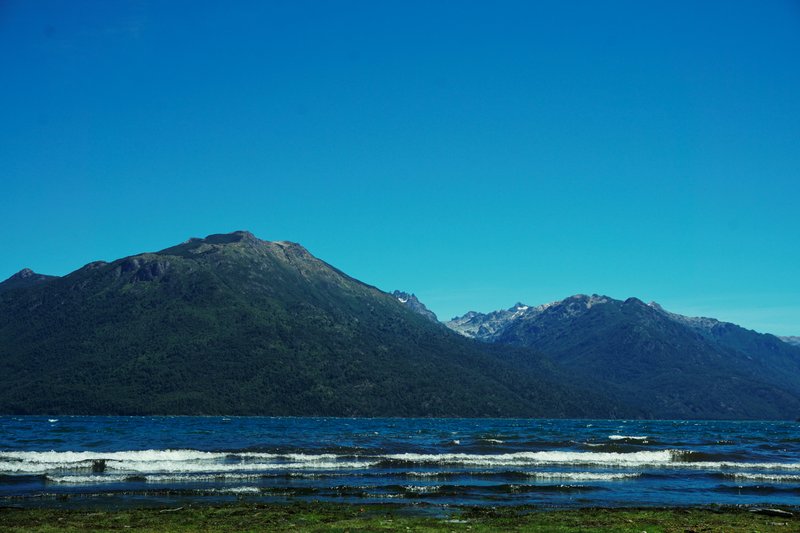
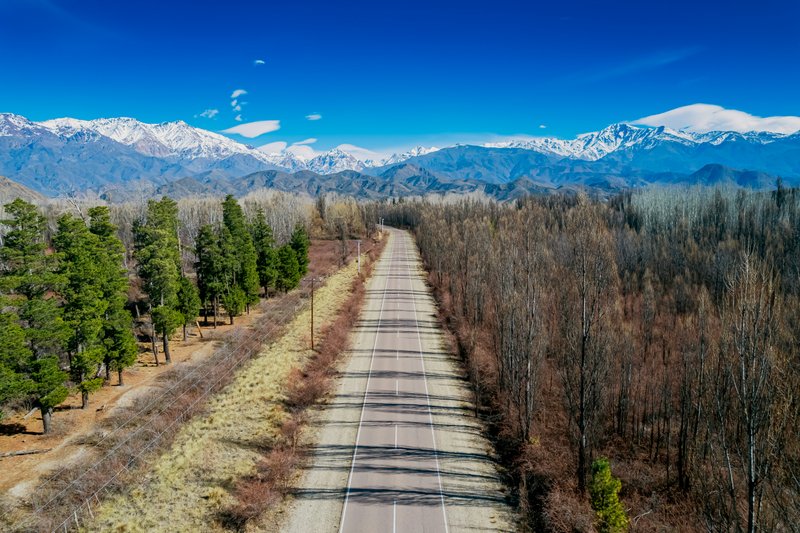
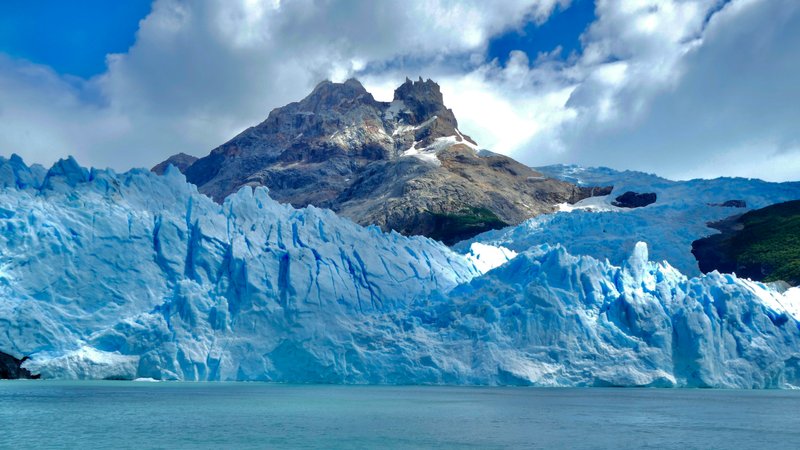
A cobalt-blue wooden lodge with a private dock on Lake Nahuel Huapi, Las Balsas keeps its scale intimate at just twenty rooms—each oriented toward the water and the Andean peaks beyond. Exposed timber beams and native stone fireplaces define the alpine-chic interiors, while an award-winning spa and year-round heated infinity pool extend the lakefront serenity. Patagonian cuisine at dinner and traditional afternoon tea complete the retreat for couples and families drawn to sailing, fly fishing, and horseback trails.
Explore Bariloche
Where to Stay
Twenty-four suites line the shores of Lake Nahuel Huapi, each with a private jacuzzi facing the water and underfloor heating for Patagonian winters. The spa circuit moves from Turkish bath to Finnish sauna to bracing Scottish showers, while a rooftop terrace bar and wine cellar reward hikers, skiers, and lake adventurers at day's end. Larger residences add wood-burning stoves and full kitchens for extended wilderness stays.
Italianate architecture rises from the shores of Nahuel Huapi Lake, where this thirteen-suite retreat on Península Arriba commands unobstructed Andean views. Private terraces overlook the water; freestanding tubs frame snowcapped peaks. A cedar sauna and heated infinity pool precede dinner at Avellana, where wood-fired steaks meet hydroponic greens. Kayaking and skiing await beyond the gardens—ideal for active families and couples seeking Patagonian grandeur.
Perched on a cliff above Lake Nahuel Huapi, this ten-room boutique hotel trades Patagonia's ubiquitous chalet kitsch for clean lines in smooth gray stone and local timber. The indoor-outdoor pool allows starlit swims year-round, while Sirius restaurant serves grass-fed beef and Malbec in an intimate stone-walled dining room. Each room opens onto a private lakeview terrace—ideal for hikers and kayakers seeking refined solitude.
Built in the style of Canada's grand mountain lodges, this 205-room landmark commands a spectacular position between Lake Moreno and Lake Nahuel Huapi, with snow-capped Patagonian peaks framing every window. Exposed cypress timbers and massive stone fireplaces anchor the public spaces, while an on-site golf course, spa with sauna and jacuzzi, and both indoor and outdoor pools complement adventure pursuits from skiing to condor-watching expeditions.
What to Do
Floor-to-ceiling windows frame the Andes and Lake Nahuel Huapi at this award-winning Patagonian spa, where treatments draw on local minerals and native plant extracts to channel the region's elemental force. Heated indoor and outdoor pools, sauna, hot tub, and solarium complete the facilities, each space designed to absorb the landscape's raw, restorative energy through panoramic views of craggy peaks and pristine waters.
Frequently Asked Questions
When is the best season to visit Bariloche?
+
Ski season runs from late June through early October, with July being peak period for Argentine school holidays. Summer months (December to March) offer hiking, kayaking, and warmer lakeside conditions, though January sees the heaviest crowds. Autumn in April and May brings spectacular foliage along the Circuito Chico with fewer visitors.
How far is Bariloche from Buenos Aires?
+
Flights from Buenos Aires Aeroparque to Bariloche take approximately two hours. The airport sits fifteen kilometres east of town. The drive from Buenos Aires spans roughly 1,600 kilometres through the Pampas and northern Patagonia — scenic but requiring at least two days.
What are the main areas to stay in Bariloche?
+
The Centro offers walkable access to shops and restaurants along Mitre street. Avenida Bustillo, running west toward Llao Llao peninsula, hosts most lakefront properties with mountain views. The Llao Llao area itself, about twenty-five kilometres from downtown, provides the most secluded setting within the national park boundaries.
Nearby Destinations
Explore ArgentinaSan Carlos de Bariloche sprawls along the southern shore of Nahuel Huapi, a glacial lake of improbable blue framed by the Andes. The Centro Cívico, built from local greenstone and timber in the 1930s, anchors a town that has long attracted Argentine families and international visitors drawn to its chocolate shops, cervecerías artesanales, and proximity to Cerro Catedral's ski runs. The western road toward Llao Llao passes through forests of coihue and arrayán, with several of the region's most established properties commanding private lake frontage.
The dining scene reflects both Patagonian terroir and the town's Swiss-German heritage — smoked trout, wild boar, lamb cooked over open flame, and fondue served in alpine-style dining rooms. Avenida Bustillo, the lakeside route stretching twenty-five kilometres toward the national park, hosts most notable addresses. Winter brings skiers; summer draws hikers and anglers. The town operates at a slower rhythm than Buenos Aires, and properties here tend toward stone fireplaces, picture windows, and a certain rustic polish suited to the landscape.