On Zanzibar's quieter southeastern coast, this Relais & Châteaux property spreads eleven 500-square-meter villas across private tropical gardens, each with its own pool and freestanding outdoor tub. The spa draws on local seaweed and spices, while Doors to Zanzibar serves Tanzanian fusion from the hotel's organic garden. A three-bar progression—beach, lounge, rooftop champagne—frames the sunset ritual, complemented by butler service and complimentary Swahili lessons.
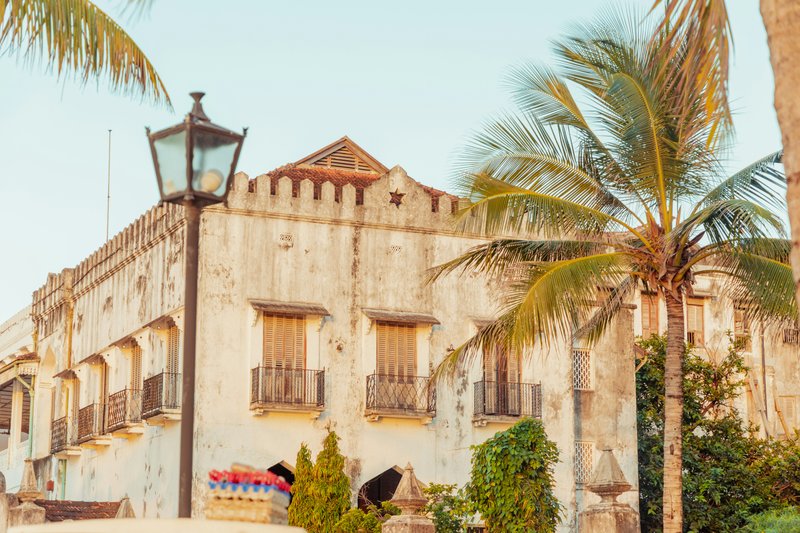
Partly occupying Mambo Msiige, a UNESCO-listed 19th-century mansion with carved wooden doors and shaded courtyards, Park Hyatt Zanzibar connects Swahili heritage to contemporary refinement. The infinity pool frames dhows crossing the harbor, while the Beach House delivers sunset cocktails and fresh seafood on white sand. Rooms feature Omani arches and balconies overlooking Stone Town's rooftops—a polished base for families and couples exploring the labyrinthine old quarter.
Stretched along a mile of pristine southern coastline, this expansive retreat comprises 66 freestanding suites—each a private cottage with its own deck and plunge pool. Families find particular appeal here: a Kids Club runs Swahili lessons and cooking classes, while a petting farm and bird sanctuary occupy younger guests. Adults retreat to the spa or cycle the grounds on complimentary bicycles.
Nine white villa-suites rise from Bwejuu's subtropical forest, their circular rooms, domed roofs, and arched windows echoing Zanzibar's Arab architectural heritage. Private pools sit enclosed by sculptural orchid-petal walls, while personal butlers deliver meals anywhere on the grounds—beneath makuti-roofed pavilions or on moonlit terraces. Day trips reach historic Stone Town and nearby spice farms, though many guests prefer the retreat's languorous rhythm.
Sprawling across a lush subtropical garden that cascades toward Kendwa's white sand beach, Zuri Zanzibar scatters 56 bungalows, suites, and villas through dense tropical foliage. Warm wooden interiors open through oversized doors onto private terraces, dissolving the line between shelter and landscape. A dedicated kids' programme and interconnecting accommodations make this a rare five-star option where families travel in genuine comfort.
Four rustic bungalows scattered across a two-and-a-half-acre beachfront garden on Zanzibar's undeveloped Michanvi Peninsula — Jua Retreat operates with deliberate intimacy. The adults-only property channels old-school hospitality: a private kitchen responds to guests' whims, service earns top marks, and the tropical setting remains refreshingly unpolished. For travelers seeking seclusion without sacrificing attentiveness, this remains exceptional value.
Fifteen white-domed pavilions rise from a 35-acre forested hillside above Zanzibar's northern coast, each a self-contained retreat with private garden, plunge pool, and dedicated butler. Kilindi was conceived for romance—guests over sixteen only—where days drift between beach and spa, punctuated by hands-on cooking classes that reveal the island's spice-trade heritage. Seclusion here feels both theatrical and deeply personal.
Six freestanding suites scattered across a lush slope at Michamwi Peninsula's tip define this intimate home-hotel, where seclusion comes standard. The only interruptions here are tidal rhythms and shorebirds picking along the sand. Families or couples seeking complete privacy will find two-bedroom configurations in the Coastal, Sultan, Kaskazi, and Bahari units—though those wanting organized activities should look elsewhere.
With just sixteen rooms on Pongwe beach, Tulia delivers the attentiveness of a boutique property alongside the playful energy of a small resort. Waterslides and inflatables keep children occupied while parents unwind; a dedicated children's menu ensures family dining runs smoothly. Yet the intimate scale works equally well for honeymooners seeking seclusion or solo travelers after unhurried personal service.
Three landmark buildings from Zanzibar's aristocratic past now house just eleven rooms, each laden with antiques beneath soaring timbered ceilings that speak to centuries of Swahili-Arab craftsmanship. The ground-floor Secret Garden offers intimate courtyard dining, while the rooftop Tea House delivers a singular ritual: sunset cocktails followed by a five-course tasting menu with panoramic views across Stone Town's labyrinthine skyline.
Frequently Asked Questions
Which neighborhoods in Stone Town have the best boutique hotels?
+
Shangani and Kiponda concentrate the highest density of restored heritage properties, many within walking distance of the waterfront and the House of Wonders. Hurumzi Street also hosts several well-regarded converted mansions with rooftop dining.
When is the best season to visit Stone Town?
+
June through October brings dry weather and cooler temperatures, ideal for exploring on foot. The short rains of November offer fewer crowds, while January and February provide hot, clear days before the long rains arrive in April.
How far are beach resorts from the historic center?
+
Seafront properties within the old town sit directly on the waterfront. The popular northern beaches of Nungwi and Kendwa require approximately 60 to 90 minutes by road, while the southeastern coast around Paje and Jambiani lies about 45 minutes away.
Nearby Destinations
Explore TanzaniaThe labyrinthine alleys of this UNESCO-listed quarter open onto carved wooden doors, brass-studded and centuries old, behind which colonial-era merchants' houses have been converted into intimate properties. Many occupy former Arab trading palaces along Shangani Street or Portuguese administrative buildings near the Old Fort, their original coral-stone walls and zidaka niches preserved beneath contemporary comforts. Rooftop terraces look across a jumble of corrugated iron and whitewashed minarets toward the dhow harbor.
Along the western seafront, larger resorts claim positions where the afternoon sea breeze cuts the equatorial heat. Properties here tend toward Swahili-inspired architecture — heavy timber beams, embedded china plates, interior courtyards with frangipani — while newer builds on the northern beaches of Nungwi and Kendwa sit an hour's drive away for those seeking sand over history. The town itself remains the cultural anchor: spice-market mornings, taarab music drifting from cultural centers, and the nightly Forodhani Gardens seafood stalls illuminate why travelers use this port as both gateway and destination.