Dining Room: The Culinary Poetry of Jiangnan Overlooking Shanghai


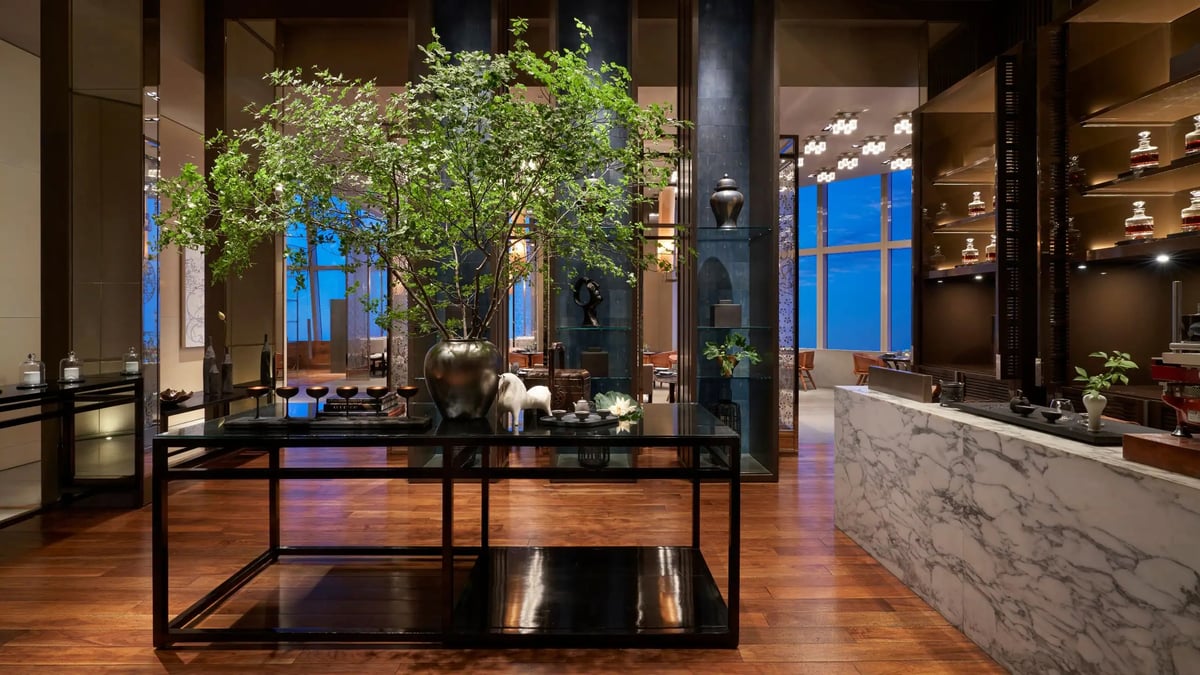
At the top of the Park Hyatt Shanghai, Dining Room stands out as a place where one comes to experience gastronomy imbued with elegance and serenity. In a setting evoking the warmth of a contemporary Chinese residence, Jiangnan cuisine is reinvented without ever betraying itself. Each dish celebrates the culinary identity of the region with measured finesse, delicate attention to detail, and deep respect for the product. Between a breathtaking panorama, a soft atmosphere, and precise culinary gestures, Dining Room creates an experience where serenity meets flavor, and where refinement unfolds naturally, with gentle grace.
Park Hyatt Shanghai: Refinement Suspended Above the City
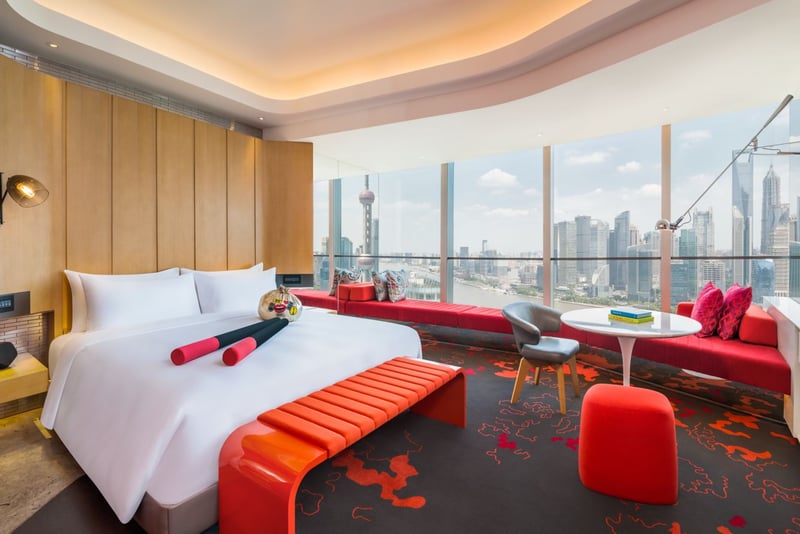
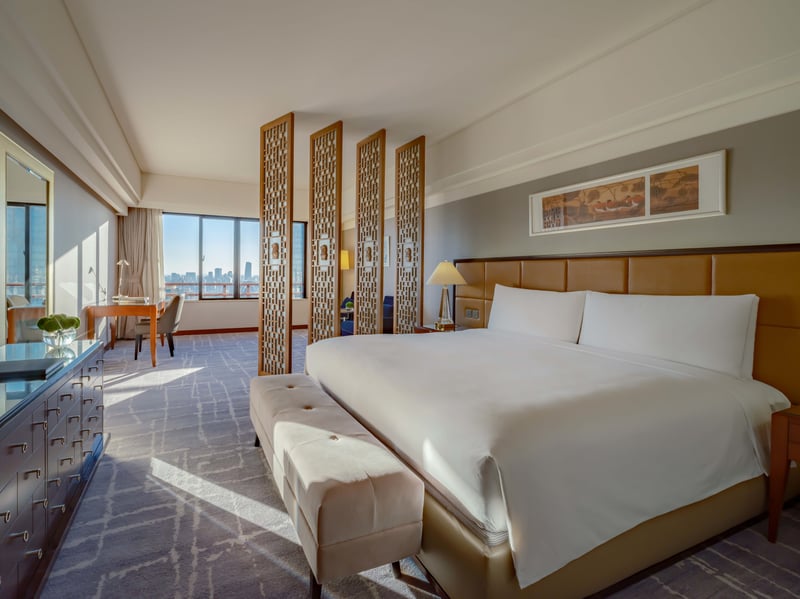
Located between the 79th and 93rd floors of the Shanghai World Financial Center, Park Hyatt Shanghai offers a refined experience that seems to touch the stars. Designed by Tony Chi as a modern Chinese residence, the hotel blends contemporary elegance with architectural traditions, creating soothing spaces in natural tones where calm contrasts with the lively energy of the Lujiazui district. From the moment you arrive, the atmosphere becomes hushed and exclusive, extending to the rooms with clean lines and bathed in light, whose large picture windows reveal panoramic views of the city. The hotel's restaurants celebrate both local and international cuisine with engaging presentation, while the infinity pool on the 85th floor appears to float above Shanghai. A true haven of serenity in the heights, Park Hyatt Shanghai offers an experience that is intimate, sophisticated, and unforgettable.

The Art of Reimagined Jiangnan Cuisine
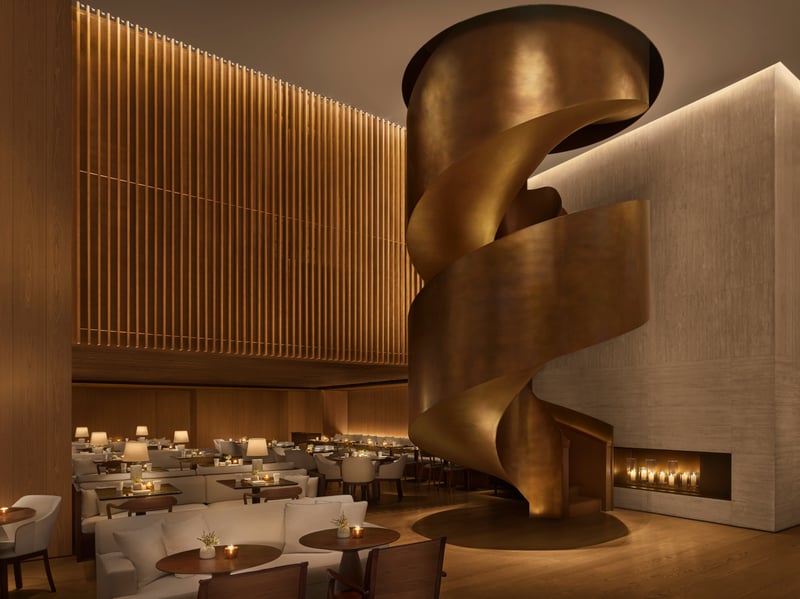
At the heart of Park Hyatt Shanghai, Dining Room stands out with a design that is both contemporary and intimate, intended to evoke the warm atmosphere of an elegant Chinese residence. Located on the 87th floor, the space benefits from large windows that open onto panoramic views of the Pudong skyline and the Huangpu River, while maintaining a soft ambiance thanks to understated furnishings, gentle lighting, and natural materials. The interior architecture balances modern refinement with subtle references to Chinese traditions, creating a calming setting where one immediately feels at home despite the dizzying altitude.


When it comes to cuisine, Dining Room celebrates the culinary heritage of Jiangnan, highlighting the flavors of Shanghai, Zhejiang, and Jiangsu, interpreted with contemporary sensitivity. The chef uses innovative techniques while preserving the memory of recipes passed down through generations, giving rise to cuisine that is elegant and expressive. The dishes reveal delicate finesse, enhanced by a selection of rare teas and Chinese wines. This harmony between tradition and modernity, combined with attentive hospitality, makes Dining Room an authentic and memorable gastronomic experience.

The Poetry of Flavors: A Refined Dinner Story
The dinner begins with appetizers, including Chef Yang's famous poached chicken, presented under a layer of deep green, nearly satin scallion oil. This oil, made from four carefully selected varieties of scallion, unfurls a delicate herbal fragrance and velvety texture. The chicken, sourced from free-range poultry, is tender and juicy, subtly absorbing the gentle nuances of the aromatic oil. The dish exudes discreet elegance, where the precision of culinary technique is revealed in the apparent simplicity of the presentation.

In the same spirit, the foie gras terrine arrives in small cylinders resting on a bed of puffed wild rice, whose airy crunch highlights the softness of the foie gras. First softened in whole milk and then steamed, the foie gras is marinated for twelve hours in a red wine sauce, developing deep aromatic complexity. It is then wrapped in a crisp leaf and rolled in okra powder, giving it a satin green hue and an elegant vegetal note. A touch of caviar completes the balance, adding its briny note and delicate texture. Each bite becomes a harmony of softness, crunch, and perfectly mastered umami.
This search for balance continues with a bright pumpkin salad where textures play together. The puffed wild rice reappears as a guiding thread, bringing airy lightness. Tender, slightly sweet slices of pumpkin and carrot intertwine with pieces of fresh strawberry whose brisk acidity enlivens the dish. A few shoots and edible flowers introduce a delicate vegetal aroma: a vibrant, colorful dish where sweetness, acidity, and crunch meet.
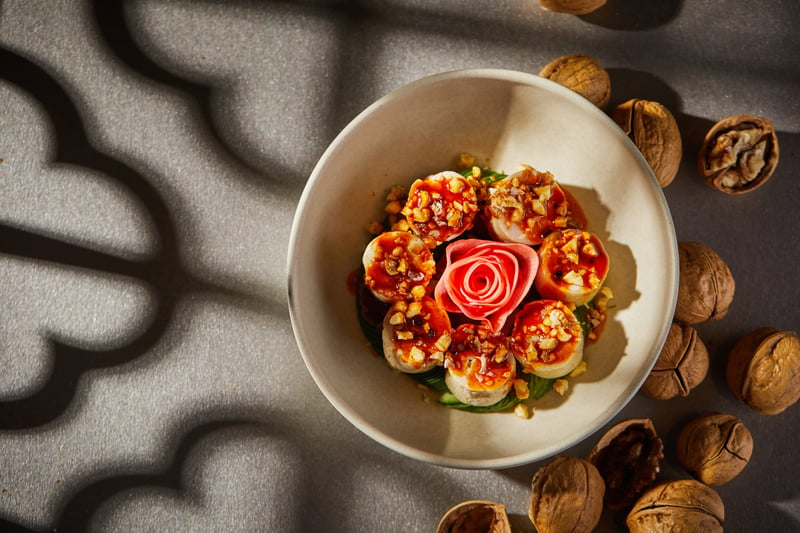
Next come bright red tomatoes, perfectly peeled and topped with delicate shards of sparkling jelly. Before plating, they were immersed in champagne; the fine bubbles gently infused the fruit's flesh, giving it elegant juiciness and a subtle wine-like note. Inside, a silky blend of light mayonnaise and Hangzhou pecans reveals a surprising contrast between fresh crunch and soft voluptuousness.

The meal continues with a clear soup whose limpidity reveals patient preparation. Made using the double-boiling method, it extracts the purest essence of chicken without boiling. Floating in this golden broth are lily bulb petals, adding a soothing sweetness, while aged tangerine peel releases a subtle zest aroma.

Then come the main courses, beginning with ribbonfish from the East China Sea, cut into thick, tender slices and steamed precisely to preserve the pearly softness of its flesh. A sauce of fermented grains, emblematic of Jiangnan, brings deep notes reminiscent of sticky rice and a gentle sweetness from fermentation. A few touches of red fermented rice add a fruity visual accent, while finely sliced scallions bring vegetal freshness to balance the dish.

Bohai black beef arrives in savory bites seared at high heat to achieve a caramelized, crisp surface while keeping the inside tender and juicy. Butter, black pepper, and a hint of oyster sauce envelop the meat in a deep aromatic richness. Fried garlic slices add subtle crunch, and a sprinkle of green seaweed powder brings a delicate marine and vegetal note. As an accompaniment, pea shoots are simply stir-fried, preserving their bright color, crunch, and lightly sweet flavor. A touch of seaweed underscores without overwhelming their fresh aroma: a tribute to the season, the purity of the product, and respect for nature.


Chef Yang's dry noodles conclude the savory courses, coated in meticulously infused scallion oil. Supple and slightly springy, they carry the softness of fresh shrimp and the concentrated umami of dried shrimp. Generous fresh scallion adds a clean, lively aroma. A dish of apparent simplicity, yet one of perfect harmony.

Finally, dessert arrives as a whisper. Chef Yang's sesame pudding, smooth and satiny, concentrates the aromas of white and black sesame seeds slowly roasted for two hours. Its sweetness is natural, its lightness surprising. A delicate swirl of black sesame paste adorns the surface, creating subtle visual contrast. On the palate, it is soft, silky, and warm: a final gesture of purity and balance, faithful to the spirit of Jiangnan.

My Opinion
Dining Room offers a contemporary interpretation of Jiangnan cuisine without losing its essence. The precision of technique, the quality of ingredients, and the pursuit of balance give rise to dishes that are both subtle and expressive. The refined, calm setting naturally accompanies this culinary approach. The result is a coherent, delicate, and memorable experience. A place that reminds us that simplicity, when perfectly mastered, can become a true luxury.
Contact Details
Dining Room