Skip to content

Tokyo

Explore Tokyo

Hotels (10)
Restaurants (10)
Tea (2)
Spa (8)

Where to Stay

Verified
3 Michelin Keys· Forbes Five-Star · Verified

Overlooking the Imperial Palace Gardens and its swan-filled moat, this 23-story tower delivers modern-Japanese refinement through Terry McGinnity's design: marble bathrooms that open to 45-square-meter rooms, most with balconies framing greenery and cityscape. Japan's first Evian Spa features a cedar-scented sauna with Alpine LED light therapy, while the 20-meter pool commands panoramic Tokyo views. The Royal Bar's legendary martinis and afternoon tea in lacquer jyubako boxes complete the experience.

Verified
1 Michelin Key· Forbes Five-Star · Verified

Crowning the top six floors of Toranomon Hills Mori Tower, Andaz Tokyo frames the city through floor-to-ceiling glass, with bedrooms gazing toward Tokyo Tower's latticed silhouette. Tony Chi and Shinichiro Ogata's interiors layer washi paper, natural wood, and intricate kumiko panels throughout. The 37th-floor AO Spa floats above the Imperial Palace gardens, its pool catching reflected light, while fifty-two stories up, an open-air rooftop bar surveys Tokyo Bay at dusk.

Verified
1 Michelin Key· Forbes Five-Star · Verified

Architect Yuko Nagayama's 47-story Tokyu Kabukicho Tower houses this 97-room retreat on its uppermost floors, where minimalist interiors inspired by traditional Japanese dwellings frame floor-to-ceiling views across Shinjuku. Five residential penthouses offer exceptional space, while ground-level dining spans modern French cuisine, teppanyaki, and sushi. A full-service spa, house car, and 24-hour room service cater to adults seeking calm above Tokyo's neon pulse.

Verified
1 Michelin Key· Forbes Five-Star · Verified

Occupying floors 30-38 of the Nihonbashi Mitsui Tower, this high-altitude retreat delivers Mount Fuji sightlines from Mandarin Corner Rooms with 270° panoramas, and a 25-meter pool on the 37th floor that creates the sensation of suspended flight above the metropolis. Nine restaurants span gastronomic French at Signature, experimental pipette-served creations at the six-seat Tapas Molecular Bar, and super-fresh nigiri at Sushi Shin by Miyakawa, while the spa's Tranquility Suite suspends an infinity bath between two walls of glass.

Verified
1 Michelin Key· Forbes Five-Star · Verified

Architect Kazukiyo Sato conceived this freestanding 24-story tower as a traditional Japanese lantern, its façade glowing softly above Hibiya Park and the Imperial Palace Gardens. Rooms start at 45 square meters—among Tokyo's most spacious—equipped with in-room tech including nail dryers and ambient lighting controls. The 20-meter indoor pool overlooks the palace grounds, while the spa offers shiatsu-inspired treatments. A fleet of Rolls-Royce Phantoms and Teslas handles airport transfers.

Verified
Forbes Five-Star · Verified

Contemporary design defines this 387-room hotel occupying 21 floors of the Roppongi Hills complex, where spacious bathrooms feature traditional ofuro-style soaking tubs and separate rainfall showers. The fifth-floor spa spans nearly 14,000 square feet with hydrotherapy pools, sauna, and steam rooms, while west-facing rooms frame views of Mount Fuji. Direct access to the Roppongi Hills cultural center places the Mori Art Museum, Tokyo City View observation deck, and luxury boutiques steps away.

Verified
1 Michelin Key· Forbes Five-Star· Small Luxury Hotels · Verified

The Tokyo Station Hotel occupies the city's iconic red brick railway building, a rarity in modern Tokyo with its restored prewar domes and Victorian architecture dating to 1915. Following a complete six-year renovation, it now offers unusually spacious rooms and some of the city's largest bathrooms, blending European grandeur with contemporary comforts. Select suites overlook the Imperial Palace or the station's vaulted cupola interiors, while the 900-square-meter spa features hot springs and saunas.

Verified
Verified

Immortalized in Sofia Coppola's Lost in Translation, this 177-room legend occupies the uppermost floors of Shinjuku Park Tower, where a 2025 Studio Jouin Manku renovation has restored its status as Tokyo's definitive contemporary luxury address. The 46th-floor spa features a 20-meter pool suspended above the city, while Kozue serves Japanese cuisine with direct sightlines to Mount Fuji. The New York Bar's late-night jazz sessions and Girandole by Alain Ducasse complete a quietly sophisticated urban retreat.

9. Four Seasons Hotel Tokyo at Otemachi

3 Michelin Keys· Forbes Five-Star

Occupying the upper six floors of a 39-storey tower in Tokyo's financial district, this modern Four Seasons delivers cinematic views extending to Mount Fuji on clear days. Chef-driven dining includes Est's cloud-level terrace, Italian fare at Pigneto, and Virtu's French-Japanese fusion cocktails. The top-floor spa centres on traditional Zen treatments like the Yakusugi Massage with Japanese cedar oil, while 190 minimalist rooms wrapped in natural textiles prioritize tranquil neutrals and natural light.

10. Bvlgari Hotel Tokyo

3 Michelin Keys· Forbes Five-Star

Patricia Viel and Antonio Citterio's design for Bvlgari Hotel Tokyo delivers modern Italian luxury atop a Yaesu skyscraper, anchored by the 25-meter mosaic pool with private cabanas in the spa below. The eight-seat Sushi Hōseki overlooks a zen garden, while Il Ristorante - Niko Romito interprets Italian haute cuisine with Tokyo ingredients. On the 45th floor, the Bvlgari Bar extends outdoors among lemon trees, and the lobby Dolci Boutique crafts Tokyo-exclusive pear-and-caramel chocolates.

Where to Eat

Verified
★★★ Michelin · Verified

Chef Olivier Chaignon holds three Michelin stars at this Ginza institution, forging relationships with producers nationwide to craft contemporary French cuisine rooted in Japanese terroir. The name honors the district's historic willow trees, echoed in a glass sculpture that greets arrivals. Fifty years since opening, L'Osier pursues a restless evolution, interpreting classical technique through seasonal ingredients and the precision of Tokyo's culinary culture.

Verified
★ Michelin · Verified

Born from a partnership between the Imperial Hotel and the Ishikawa Group, this Michelin-starred table marries French technique with Japanese culinary heritage. Consommés and confits share the menu with dashi-based preparations and char-grilled specialties, creating a gastronomic dialogue between two traditions. The kitchen's philosophy mirrors the hotel founder's century-old directive: courteous service that creates lasting memories, executed at the highest level of refinement.

Verified
★ Michelin · Verified

Perched on the 49th floor of Toranomon Hills Station Tower, this Michelin-starred establishment pursues three principles: honoring French culinary tradition, exploring Japanese ingredients with rigorous curiosity, and capturing the immediacy of each season. The menu centers meat courses around rice preparations that deepen their impact, while an experimental spirit—freed from convention—reveals the joy inherent in ambitious cooking delivered at skyscraper height.

Verified
★ Michelin · Verified

Alain Ducasse's Michelin-starred table crowns Chanel's Ginza flagship, where Peter Marino's cream-and-beige interiors echo Coco's aesthetic through Jacquard fabrics and Japanese accents. The kitchen applies French technique to exceptional local ingredients—Hokkaido veal, Meishanton pork, Kyushu beef with melting potatoes—while following Ducasse's pioneering emphasis on vegetables and cereals over heavy fats, yielding dishes that feel light yet deeply satisfying.

Verified
★ Michelin · Verified

Alain Ducasse's vision of Japanese terroir unfolds through chef Kei Kojima's one-starred cuisine, where Kamakura market vegetables meet the smoky precision of charcoal flame. The approach prioritizes both wellness and flavor, yielding dishes that honor local ingredients with French technique. Colorful, seasonal produce defines the menu, each element prepared to reveal rather than obscure its origin—a dining experience rooted in restraint and respect for the land.
Verified
★ Michelin · Verified

Chef Kenichiro Sekiya prepares Joël Robuchon's legendary recipes—Challans duck, langoustine, quail—at a counter inspired by sushi bars, where diners watch each dish take shape. The menu weaves French technique with seasonal Japanese ingredients, served in small portions that allow guests to compose their own progression. Red-and-black interiors frame the theatre; lunch menus offer exceptional value for Michelin-starred dining.

Verified
Verified

Inside The Tokyo Station Hotel's 1915 heritage building, Blanc Rouge occupies an elegant dining room where sweeping semi-circular windows frame passing trains against white-lacquered interiors. Executive Chef Masahiro Ishihara, trained in France's Michelin-starred kitchens, crafts a bimonthly seasonal menu weaving Japanese ingredients through French technique—seared swordfish with Iberian pork, TOSA duck with precision. A 1,200-bottle cellar complements each course.

Verified
Verified

From the 28th floor of Conrad Tokyo, floor-to-ceiling windows frame the bay while Chef Takuma Kageyama orchestrates a menu where French technique meets Japanese seasons. His signature Hokkaido potato cappellini—aged two years and paired with fresh catch—exemplifies the kitchen's precision, as do playful trompe-l'œil amuse-bouches shaped like cigars and black rocks. An accomplished sommelier completes each course with rare Rhône Valley selections.

Verified
Verified

From the 28th floor of the Conrad Tokyo, Kazahana surveys Hamarikyu Gardens and Tokyo Bay through floor-to-ceiling windows, its interior evoking traditional kura warehouses and sumi-e paintings. The restaurant houses three distinct kitchens under one roof: refined kaiseki, Edomae sushi served over red vinegar rice, and teppanyaki where A5 wagyu receives almost theatrical preparation. Private tatami rooms accommodate those seeking contemplative dining away from the main floor.

Verified
Verified

Through André Fu's picture windows, Shinkansen trains streak past as diners settle into mandarin-orange banquettes for Daniel Calvert's contemporary bistro cooking—the same chef behind three-starred Sézanne. Kegani crab tart with yuzu mayonnaise and Dover sole meunière scattered with sakura ebi trace a confident French-Japanese dialogue, while chef Raul Savi's nose-to-tail philosophy ensures nothing goes to waste. A polished choice for unhurried business lunches or weekend brunch.

What to Do

Verified
Verified

From the 38th floor of the Mandarin Oriental Tokyo, the Oriental Lounge delivers afternoon tea against a backdrop of sprawling cityscape and, on clear days, Mount Fuji. Executive Pastry Chef Fabien Martin—shaped by mentors Pierre Hermé and Christophe Michalak—brings French technique to Japanese sensibilities: mikan cheesecake, chestnut Mont Blanc, snow crab maritozzo. The theatrical flourish arrives tableside: a strawberry martini prepared à la minute on a gleaming trolley.

Verified
Verified

Beneath a crystal chandelier inspired by hanabi fireworks, The Peninsula Tokyo's lobby transforms afternoon tea into theatrical ritual. Elegant birdcages arrive laden with Japanese-European creations—foie gras paired with muscat-chocolate spheres, delicate lychee-rose mousses. A secret entrance leads to a private balcony for four, positioned before live musicians. The iconic Lying Dragon Gate sculpture presides over this refined spectacle, drawing Tokyo's luxury seekers and visiting connoisseurs alike.

3. AO Spa & Club at Andaz Tokyo Toranomon Hills

Forbes Five-Star

Occupying the 37th floor of Toranomon Hills Mori Tower, AO Spa & Club spans 14,500 square feet of Japanese stone pools, carbon dioxide micro-bubble baths, and a 65-foot three-lane swimming facility overlooking the Imperial Palace. The signature Jiyujizai treatment unfolds over four hours, tailored to personal preferences including favored season, musical style, and culinary tastes. A dedicated Blend Bar displays essential oils and herbs for bespoke formulations.

4. Evian Spa at Palace Hotel Tokyo

Forbes Five-Star

This fifth-floor sanctuary channels the French Alps through mineral water enriched over fifteen years of glacial filtration, rich in calcium and magnesium at pH 7.2. The 13,000-square-foot facility offers five treatment rooms beneath rippled ceilings evoking flowing water, each named for Alpine peaks, plus heated baths, marble sauna, and separate relaxation lounges overlooking Imperial Palace gardens and Mount Fuji. The signature 210-minute Tokyo Ritual includes spirulina body wrap, scrub, and facial.

5. CHI, The Spa at Shangri-La Tokyo

Forbes Five-Star

Perched on the 29th floor of the Marunouchi Trust Tower, CHI applies traditional Chinese principles of ch'i—universal life force—through body massage, stretching and hydrotherapy treatments incorporating rice bran, cherry blossoms and sake pulp. Private cabins frame Tokyo's illuminated skyline, while seasonal Kisetsu Rituals rotate quarterly with thematic ingredients; spa access includes the Health Club's 20-meter pool suspended among the city's towers.

6. Mizuki Spa at Conrad Tokyo

Forbes Five-Star

Occupying the entire 29th floor of Conrad Tokyo, Mizuki—meaning water and moon—is the city's largest spa facility, a 15,000-square-foot lunar-inspired sanctuary with ten treatment rooms arranged in a circular layout. The signature Mizuki Room features side-by-side massage tables and a hinoki cypress tub for two, where aestheticians serve steaming green tea on a built-in platform beside the bath. Warm woods and stone create a Japanese aesthetic, while floor-to-ceiling windows frame Tokyo's skyline.

7. Nagomi Spa at Grand Hyatt Tokyo

Forbes Five-Star

Nagomi Spa at Grand Hyatt Tokyo opened its doors as the first sanctuary worldwide to offer Mdna Skin treatments, developed by Madonna with Japan's MTG. The fifth-floor retreat greets arrivals with chamomile tea and warm towels before guiding them through hydrotherapy zones—steam, hot bath, cold plunge—then into timber-paneled treatment rooms. The couples suite features a Japanese granite soaking tub and private steam shower.

8. Okura Fitness & Spa

Forbes Five-Star

Perched on the 27th floor of The Okura Tokyo, this sky-high wellness retreat holds the distinction of being Japan's sole spa featuring French skincare line Annayake. Treatments draw from both Eastern and Western traditions, incorporating Japanese elements like bamboo and Mount Fuji spring water through a five-element philosophy. The facility centers around a 25-meter indoor pool overlooking Tokyo's skyline, complemented by Jacuzzi, sauna, and multiple quiet lounges for post-treatment relaxation.

9. The Bvlgari Spa Tokyo

Forbes Five-Star

Japan's sole provider of Augustinus Bader treatments, this sanctuary occupies the upper floors of the Bvlgari Hotel with floor-to-ceiling views across the city. Nine treatment rooms deliver European wellness rituals, while the green-and-golden-tiled pool stretches beneath intricate Italian mosaics. The spa suite features a private hammam and green marble bath, and the Bvlgari Gymnasivm uses Technogym equipment for precision fitness programming.

10. The Peninsula Spa Tokyo

Forbes Five-Star

On the sixth floor above Marunouchi's corporate towers, nine treatment rooms channel traditional Japanese aesthetics through shoji screens with yukimi windows—apertures once designed for contemplating snowfall. Sculptural washi paper fixtures by artist Eriko Horiki cast soft light over aji-ishi granite from Kagawa Prefecture. The relaxation lounge, lined in bubinga wood and cream marble, offers heated beds and private showers that reward lingering.

Frequently Asked Questions

Which Tokyo neighborhoods are best for first-time visitors?

+

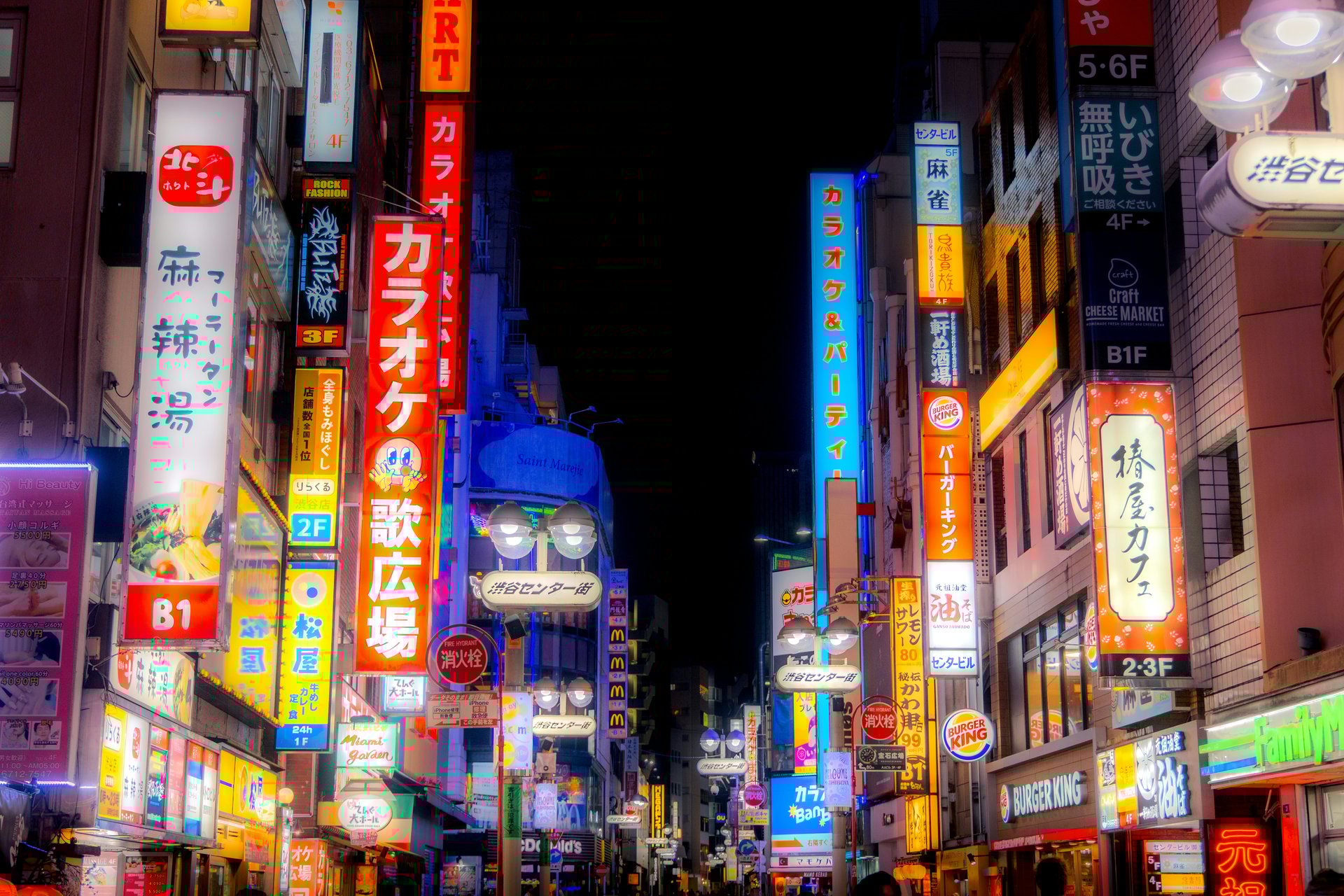
Shibuya and Shinjuku offer the quintessential neon-lit experience with easy metro access to everywhere. Ginza suits those seeking refined shopping and dining, while Asakusa provides traditional temple culture. Marunouchi and Tokyo Station area work well for business travelers who want proximity to the Shinkansen network.

What is the best season to visit Tokyo?

+

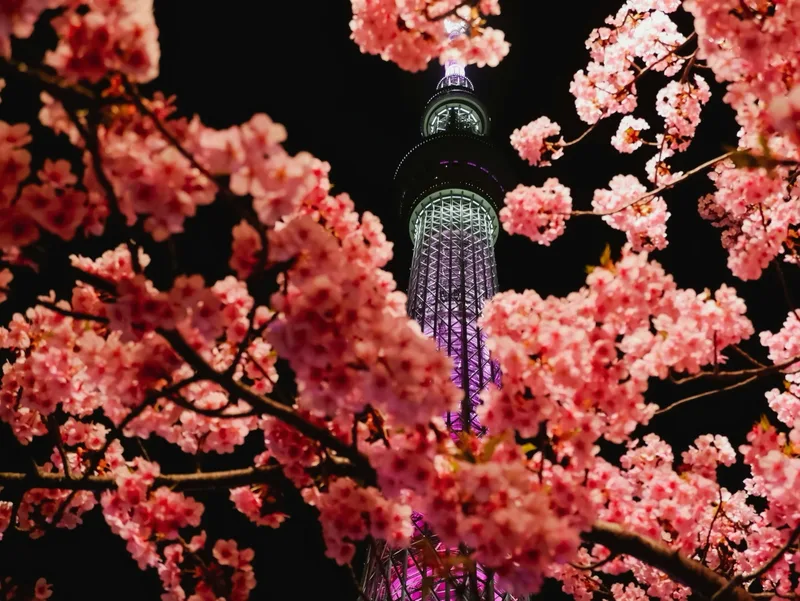
Late March through early April brings cherry blossom season, when parks like Ueno and Shinjuku Gyoen fill with hanami picnics. Autumn (mid-November to early December) offers mild weather and vivid foliage at Rikugien and Koishikawa Korakuen gardens. Winter provides clear skies and views of Mount Fuji, though temperatures drop near freezing.

How does the Tokyo metro system work for tourists?

+

The metro runs two networks — Tokyo Metro and Toei — plus JR lines including the circular Yamanote line connecting major stations. Rechargeable Suica or Pasmo cards work across all systems and in convenience stores. Most stations display signage in English and Japanese, with color-coded lines and numbered exits.