


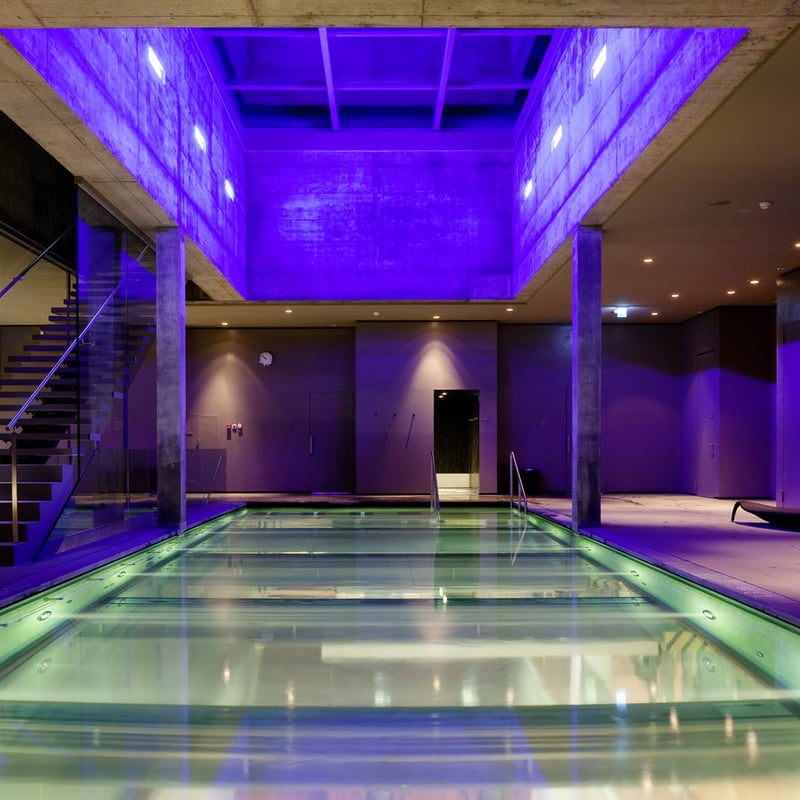
Adjacent to St. Gallen's thousand-year-old abbey cathedral, this 113-room property commands the city's finest address. Interiors layer marble, cherry wood, and silk curtains over parquet floors, while the Einstein Fitness Park delivers an atrium pool and full spa facilities. Gastronomy reaches its peak at the two-Michelin-star Einstein Gourmet; evenings wind down at the English-style bar's Davidoff Cigar Lounge.
St. Gallen Travel Guide: Best Hotels, Restaurants & Experiences 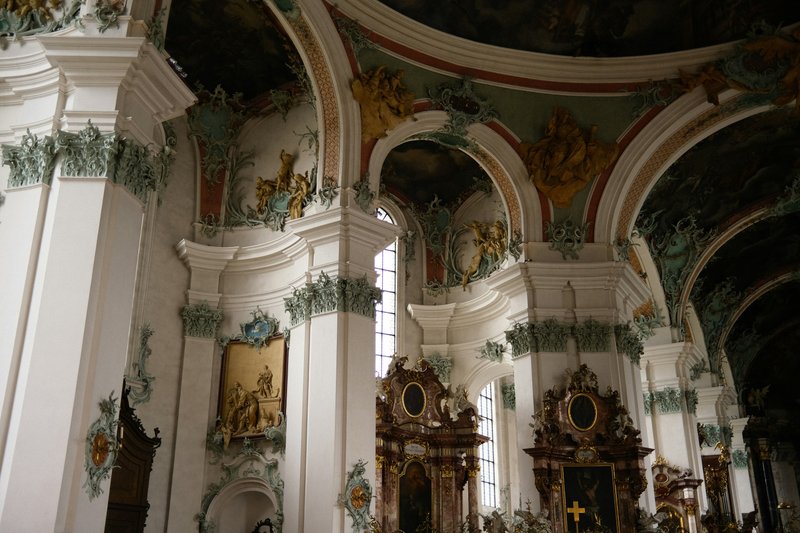
Explore Sankt Gallen
Hotels (1)
Restaurants (7)
Where to Stay
Where to Eat

★★ Michelin
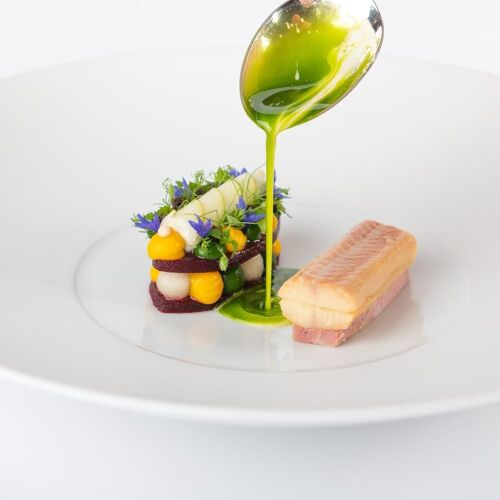
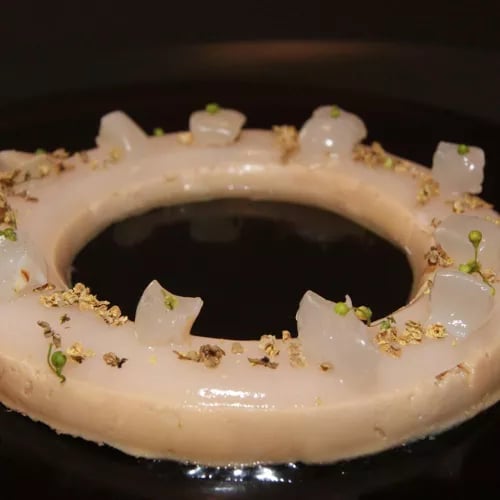
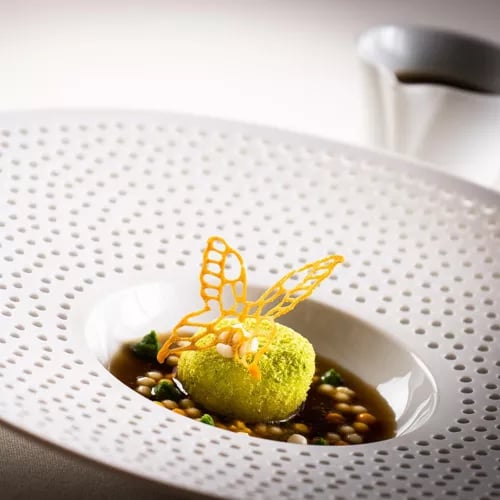
Perched on the fifth floor of Hotel Einstein, this two-Michelin-starred table showcases the precise, unpretentious cooking of Sebastian Zier and Richard Schmidtkonz. Their four-to-six-course menus favor impeccable ingredients over theatrics—Lake Maggiore pike-perch arrives with beluga lentils and silken horseradish foam. Sommelier Loris Lenzo navigates a 3,000-label cellar housed in white Bordeaux limestone vaults, surfacing Swiss rarities alongside celebrated estates.

★★ Michelin
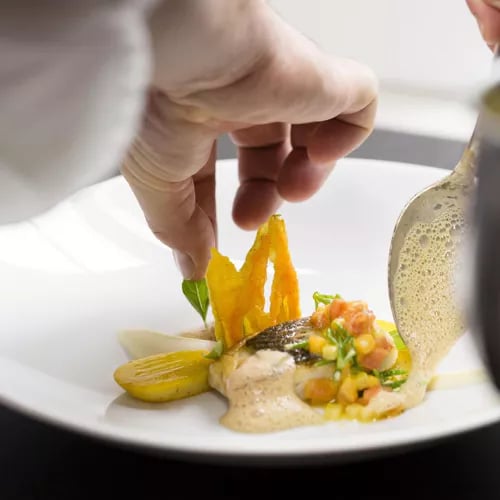
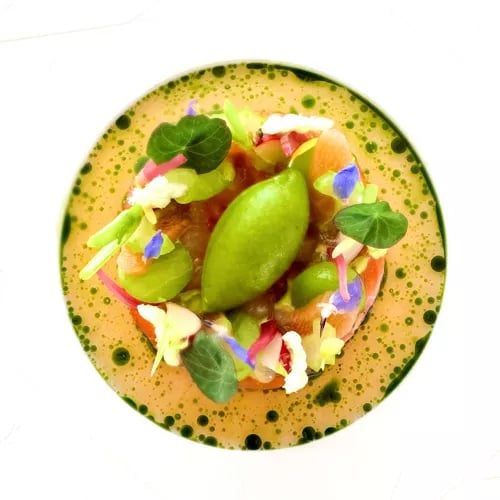
Silvio Germann orchestrates a two-Michelin-starred kitchen alongside Andreas Caminada at this hilltop address overlooking Lake Constance. The cuisine strips complexity to its essence—Lostallo salmon arrives with emulsified buttermilk and herb oil, deceptively simple yet layered with precision. A cellar of over a thousand wines awaits exploration, while the terrace beckons for languorous summer aperitifs against panoramic alpine views.

★ Michelin
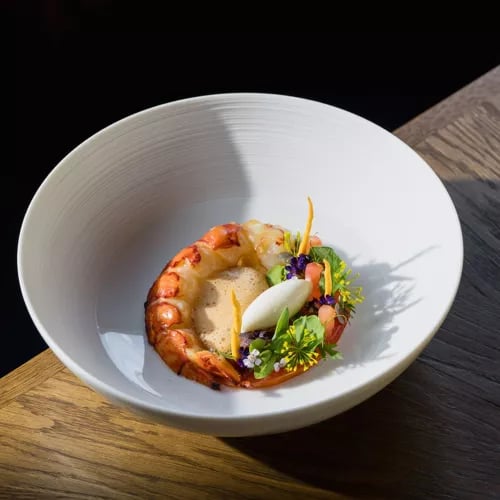
An unlikely location in a business park belies the Mediterranean refinement within. Chef Martin Benninger holds a Michelin star for his philosophy of essential cooking—dishes stripped to their core yet richly flavored, exemplified by his carpaccio of just-caught scampi with champagne butter and raw mushroom shavings. The modern conservatory opens fully in summer, while an experienced sommelier navigates a thoughtfully curated digital wine list.

★ Michelin
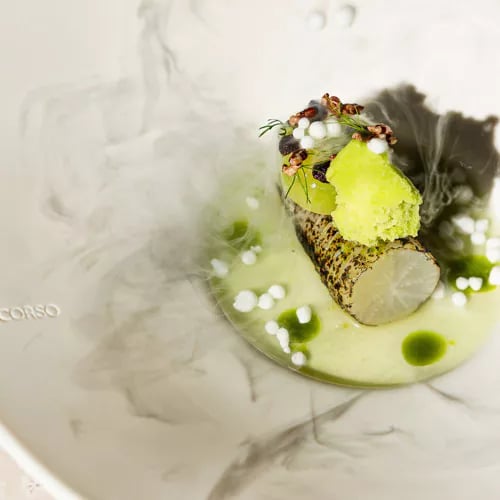
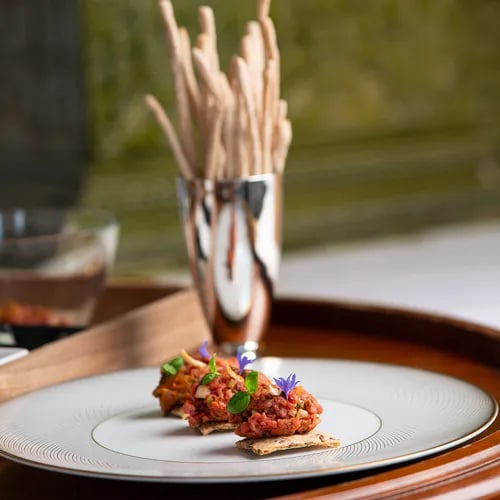
Brothers Benjamin and David Geisser have earned a Michelin star for their bold, regionally rooted yet cosmopolitan cooking served in themed menus of three to five courses. The two-storey dining room impresses with warm wood, gold accents, and an imposing bar that anchors the sophisticated atmosphere. Creative cocktails made from house-made essences—available alcohol-free—offer inventive pairings that mirror the kitchen's precise, visually striking plates.

★ Michelin
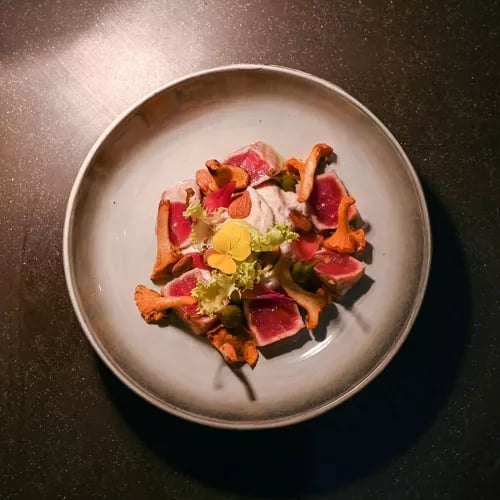
Chef Bernd Schützelhofer holds a Michelin star for his rigorously seasonal farm-to-table cooking, where market-driven ingredients speak without embellishment. His signature wild scallops—seared to a golden translucence—arrive with Champagne-kissed risotto, crisp asparagus, and shaved artichoke, a study in textural precision. The historic dining room balances period character with modern elegance, while Jackie Pedregal's polished service and a leafy summer terrace complete the refined experience.

★ Michelin· Green Star ●
Chef Markus Schenk holds a Michelin star for his refined take on Alpine cuisine at this minimalist St. Gallen address. The five-course Genussreise showcases seasonal regional ingredients—pike dumplings with caviar sauce, Sevelen Wagyu paired with truffle-laced celeriac—while an optional cheese trolley adds theatre. A Green Star acknowledges the kitchen's sustainability focus. Franz Ackermann's artwork animates the open-kitchen dining room.

★ Michelin
Chef Agron Lleshi's one-Michelin-starred kitchen draws on regional Swiss ingredients and international influences through ambitious tasting menus of three to eight courses, with a signature truffle preparation that has earned devoted followers. Sommelier Wilko Bachmann guides wine selections with evident warmth, while the chef's mother bakes bread fresh daily. The kitchen table offers front-row seats to the culinary craft.

★ Michelin
A Michelin-starred table worth the short detour from St. Gallen, Neue Blumenau rewards summer visitors with a garden terrace of uncommon charm. Owner Bernadette Lisibach greets diners personally, her warmth matched by creative cooking that leans classical yet remains refreshingly unfussy. Two set menus showcase select ingredients with clarity and expression, while a thoughtful wine list and regional cheeses provide a satisfying conclusion.

Michelin Selected
A lively corner osteria at the edge of St. Gallen's pedestrian zone, where an open kitchen sends out house-made potato gnocchetti dressed in slow-cooked ragù—a recipe from Mamma Bruna herself. Mediterranean influences surface in dishes like sea bass alla spigola, while the terrace offers prime people-watching. Midday set menus cater to those pressed for time; evenings reward a slower pace.

Michelin Selected
A lakeside villa where the terrace sits just a ribbon of lawn from Lake Constance provides the stage for Sandro Lüthi and chef Robert Fiedler's French-Mediterranean cooking. Evening menus span three to six courses—including a full vegetarian progression—with dishes like kingfish paired with Granny Smith and wasabi showcasing their creative instincts. Paulina Soares leads service with warmth; a glass pavilion extends the season on cooler days.
Frequently Asked Questions
Why visit the Abbey Library of St. Gallen?
+
The Stiftsbibliothek houses one of the world's oldest and most significant medieval manuscript collections, with illuminated texts dating to the 8th century. The Rococo reading hall, completed in 1767, features walnut bookcases, ceiling frescoes by Josef Wannenmacher, and an inlaid parquet floor that visitors walk upon in felt slippers. It remains an active research library rather than merely a museum piece.
What is the textile heritage of St. Gallen?
+
The city dominated global embroidery production from the 1860s through the early 20th century, supplying lace and fine needlework to fashion houses from Paris to New York. The Textilmuseum documents this industrial legacy with rotating exhibitions of historical techniques and contemporary textile art. Several ateliers still operate in the region, maintaining craft knowledge that has otherwise largely disappeared from Europe.
How do locals spend time in the Drei Weieren area?
+
These three historic bathing ponds, connected to the city centre by a funicular railway since 1903, function as St. Gallen's summer retreat. The art nouveau Dreilinden bathhouse offers swimming in a natural spring-fed setting, while walking paths through the surrounding forest lead to viewpoints over the city and towards the Alpstein massif. Winter brings cross-country skiing on groomed trails just minutes from the Marktplatz.
Nearby Destinations
Explore Switzerland

Sankt Gallen
St. Gallen rewards those who venture beyond Zurich's orbit. The Altstadt unfolds around the UNESCO-listed Abbey precinct, where Baroque architecture meets independent boutiques along Multergasse and Spisergasse. Local traditions run deep here — from the intricate embroidery heritage that once dressed European royalty to the Olma festival each autumn, when the city celebrates its agricultural roots with characteristic Swiss understatement.
The dining scene reflects eastern Switzerland's position between Alpine and Bodensee influences. Restaurants along Gallusstrasse serve refined takes on regional classics — Olma bratwurst, Ribelmais polenta, and lake fish prepared with quiet precision. Café culture thrives in the pedestrianised centre, where painted Erker bay windows provide the backdrop for afternoon coffee rituals that locals take seriously. By evening, wine bars in the Bleicheli quarter draw a crowd that appreciates good Pinot Noir from nearby Graubünden.