


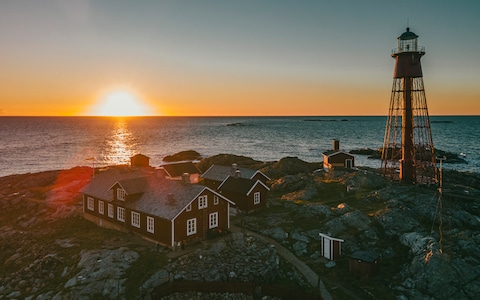
Five miles off Sweden's rugged West Coast, an 1860s lighthouse complex rises from the granite island of Hamneskär. Pater Noster's restored keeper's quarters and outbuildings offer radical isolation—no mainland distractions, just North Sea horizons. The kitchen emphasizes ultra-fresh seafood paired with selections from a serious wine room, while the sauna delivers panoramic ocean views. A retreat for those seeking solitude with substance.
Gothenburg Travel Guide: Best Hotels, Restaurants & Experiences 

Explore Gothenburg
Hotels (5)
Restaurants (5)
Where to Stay

Small Luxury Hotels
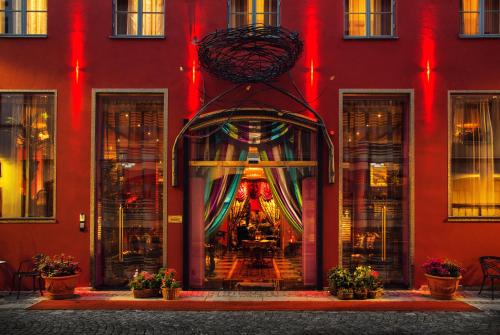
Behind its Gothenburg townhouse facade, Dorsia unfolds as a theatrical belle époque fantasy—cerise velvet, jacquard carpets, and art from the owner's private collection adorning every corner. The 37 individually designed rooms feature handcrafted Carpe Diem beds, while the restaurant pairs refined European cooking with an extensive wine cellar. Adults-only and unapologetically decadent, this is boutique hospitality with genuine personality.

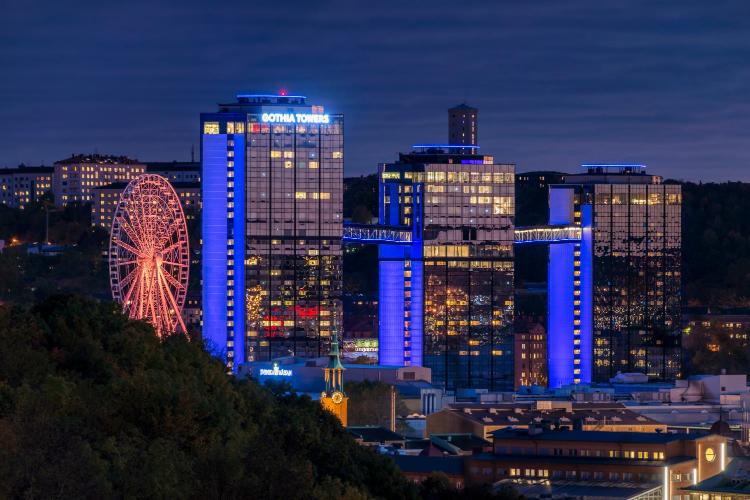
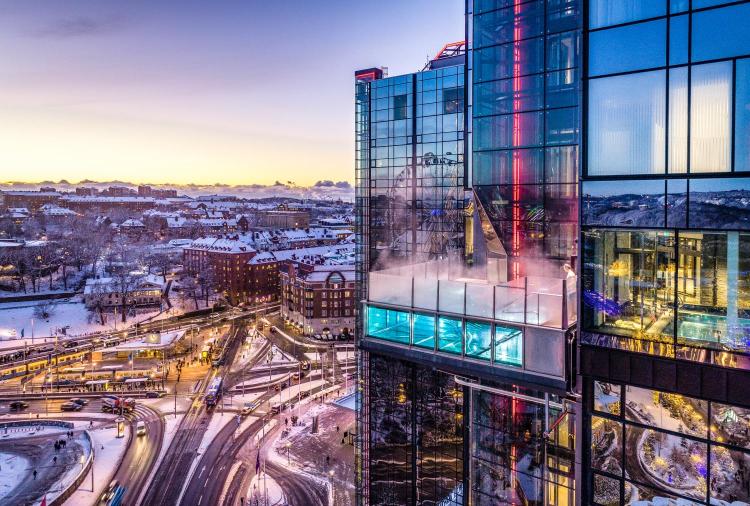
Three sleek towers pierce Gothenburg's skyline, placing this hotel among Sweden's tallest structures. The upper floors house 54 spacious rooms adorned with Scandinavian art, while duplex suites offer particularly striking vistas from private terraces. A three-storey spa with hammam and sauna provides urban retreat, and summer programming—including a children's cinema—makes this modernist landmark equally suited to families and design-minded travelers.

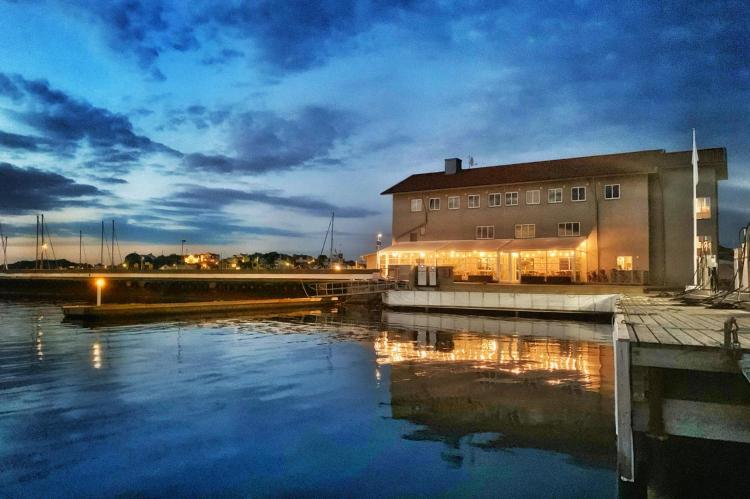
A former icehouse on Donsö harbour, Hotel Isbolaget sits surrounded by water on this small island in Gothenburg's southern archipelago. The crisp, pared-back interiors channel Scandinavian restraint, while the restaurant—capable of turning out a thousand plates on peak summer days—showcases exceptional local seafood: crayfish, lobster, and oysters pulled from nearby waters. Connecting rooms suit families exploring the coast.

Perched between floors 18 and 25 of a Gothia Tower, Upper House commands sweeping views across Gothenburg's cityscape and the Liseberg amusement park below. The modern designer interiors feature generously proportioned rooms with floor-to-ceiling windows, while a Michelin-starred restaurant anchors the culinary offering. A refined alternative for travelers seeking vertical escape and contemporary Scandinavian polish.

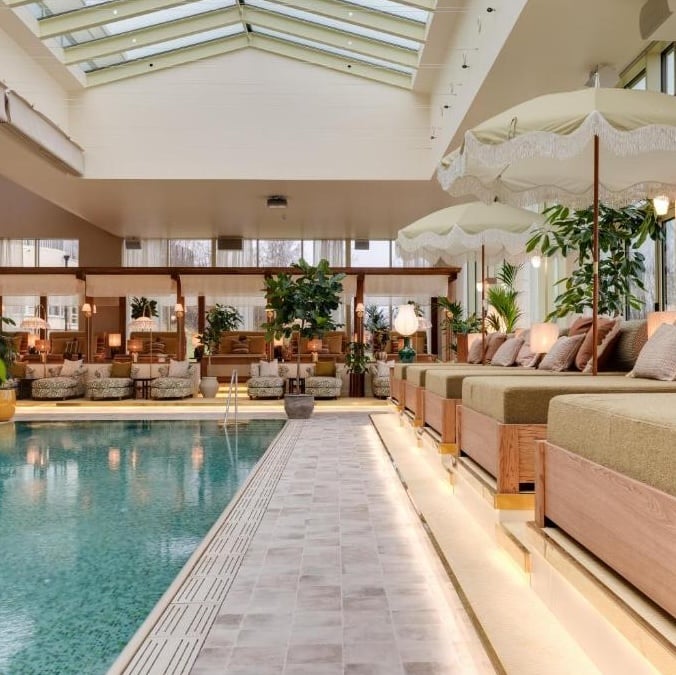
Lake-dotted countryside just outside Gothenburg sets the stage for this 150-room retreat built around sociable weekends. The 1,750-square-meter Bay Bay Pool Club delivers heated indoor and outdoor pools, sunbeds, firepits, and a pulse of music that defines the atmosphere. Spanish small plates fuel afternoons by the water, while a spa with sauna and pet-friendly rooms accommodate longer stays.

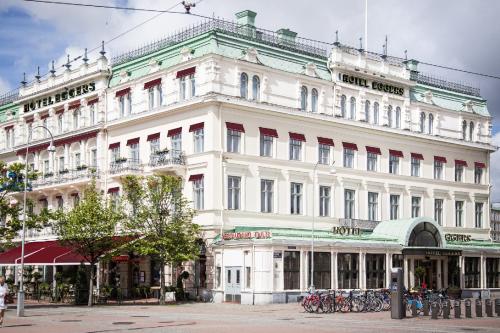
Facing Gothenburg's central station, this 1859 railway hotel was among Sweden's first to offer electricity and telephones in every room. The 69-room property retains its Victorian grandeur through wrought iron details, stained glass, and period furnishings. Its restaurant, still dressed in original wallpaper, serves Swedish and French classics. A pet-friendly address for history enthusiasts seeking authentic atmosphere over contemporary polish.
Where to Eat

★★ Michelin· Green Star ●
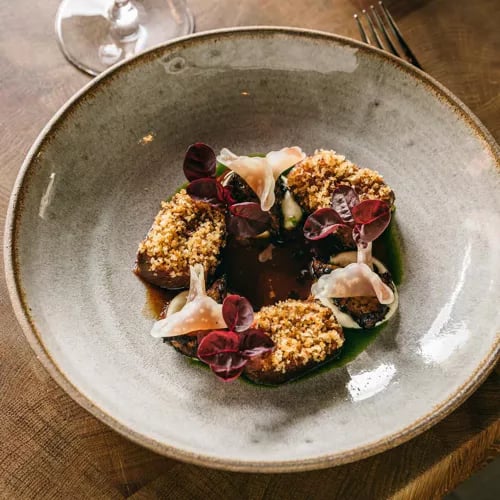
Overlooking Landvettersjön Lake from a boathouse-style annexe draped in sheepskins and modern art, this two-Michelin-starred table champions radical Scandinavian sourcing. The kitchen harvests its own garden, forages the surrounding woodland, and pulls ingredients from local waters to compose dishes of startling originality—squid paired with mangalitsa and leek, spruce matched with Schrenkii caviar. A Michelin Green Star confirms the sustainability commitment.

★ Michelin· Green Star ●
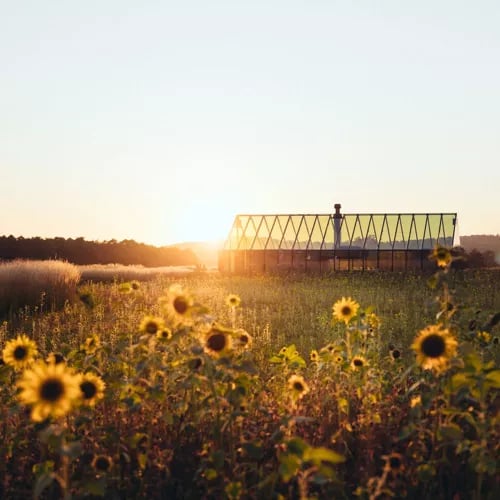
Within the Ästad Vingård estate, a striking greenhouse-inspired dining room rises over two levels, earning both a Michelin star and Green Star for its zero-waste philosophy. The meal unfolds from chef's counter snacks through a surprise tasting menu built on seasonal Halland ingredients—scallops glazed with fruity chilli caramel, delicate vegetable preparations—before concluding with cheese service in an atmospheric wine cellar below.

★ Michelin
For over three decades, this basement dining room has anchored Gothenburg's gastronomic scene with unwavering conviction. The kitchen applies classical technique to prime Swedish ingredients, threading French influences through dishes that arrive intricate, precise, and unafraid of bold flavor. A cheese selection of rare depth and a wine list to match reward those who linger, making this a destination for serious eaters seeking substance over spectacle.

★ Michelin
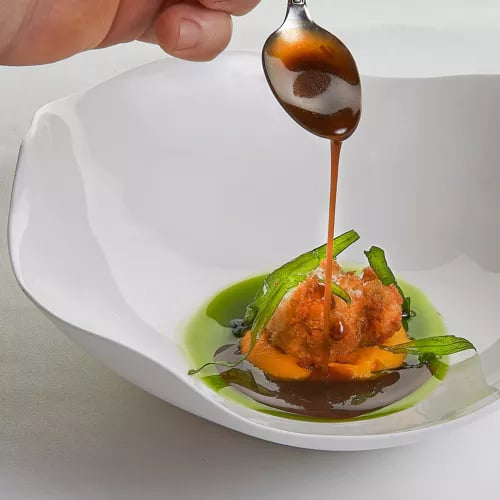
Beneath an ornate 19th-century glass ceiling draped with burgundy canopies, Koka delivers one-starred cooking that prizes seasonal clarity. The tasting menus lean plant-forward through spring and summer, while classical technique underpins dishes like langoustine bisque sharpened with Brussels sprouts and marigold. Fallow deer arrives with beetroot and a blackcurrant-tinged jus—refined combinations executed with quiet confidence in an elegantly modern Nordic dining room.

★ Michelin
A husband-and-wife team runs this intimate Gothenburg address with warmth and precision, delivering a seasonal tasting menu where Swedish seafood and game take center stage. The cooking shows refined Japanese touches—turbot arrives with yuzu kosho and shiitake—while intense, concentrated flavors define each course. House bread, a five-day labor, arrives as a quietly impressive opening statement to the Michelin-starred meal.

★ Michelin
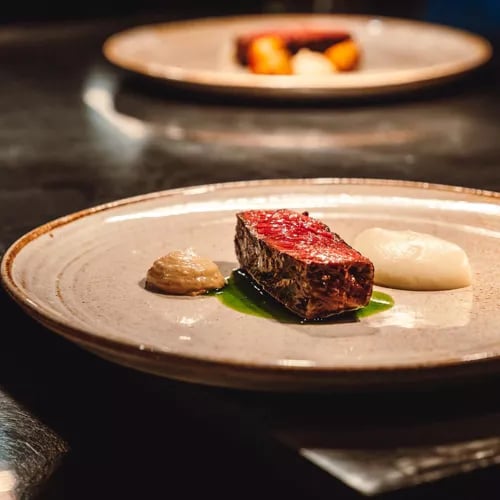
Behind an unassuming Johanneberg address, a Michelin-starred kitchen operates with quiet confidence. Chefs work in full view, then personally deliver each plate—an intimate choreography that dissolves the usual front-of-house formality. The cooking draws on Swedish and Danish ingredients, building dishes of deliberate restraint where richness and acidity find careful equilibrium. Elegant without pretension, this is modern Nordic cuisine at its most considered.

Michelin Selected
Crushed velvet banquettes and rich, modern décor set the tone at this polished bistro de luxe on Barnhusgatan. The kitchen bridges contemporary technique with classical foundations, sending out five- or eight-course tasting menus—each dish matched with a suggested wine. Signature preparations emerge from the Josper charcoal oven, their smoky depth a recurring thread. Weekday visitors can opt for a streamlined three-course format.

Michelin Selected
Behind the 17th-century Skansen Kronan fortress, in a quiet residential pocket of Gothenburg, chef Martin Moses runs his first solo venture with confident restraint. The dining room pairs neutral tones with vintage furniture, a fitting backdrop for his New Nordic cooking—precise, ingredient-driven, unhurried. Evening guests choose between tasting menus of varying length; lunch offers a focused four or five courses.

Michelin Selected
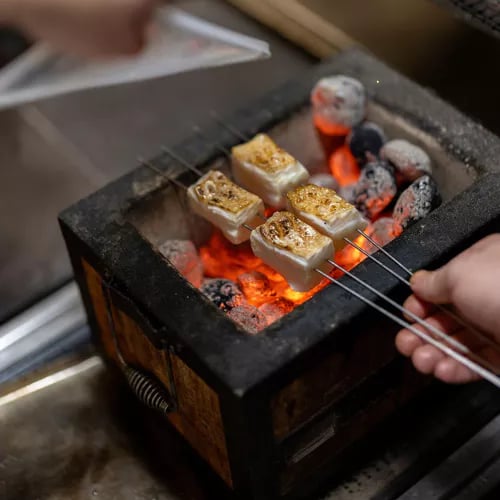
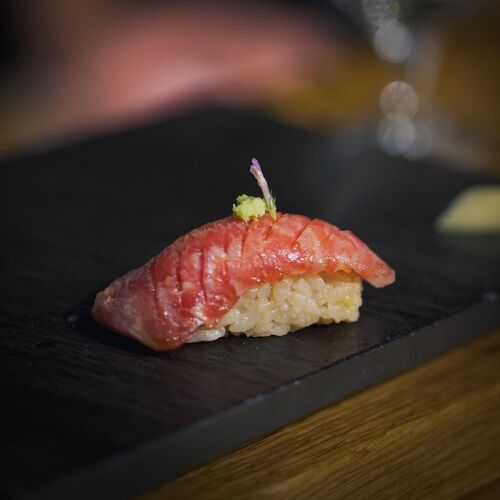
A stone's throw from Slottsskogen park, this intimate 22-seat counter channels the precision of Tokyo's finest omakase rooms. Chef John Chu orchestrates each course—from delicate sashimi through torched aburi nigiri to a contemplative soup finale—while explaining the provenance and technique behind every piece. Monthly events spotlight premium ingredients like bluefin tuna or Wagyu, and sommelier Alven's sake pairings complete the ritual.
Frequently Asked Questions
Which Gothenburg neighbourhoods are best for walking and exploring?
+
Haga offers the most concentrated charm: narrow cobblestone streets lined with 19th-century wooden houses, vintage shops, and the city's best cinnamon buns. Linnéstaden, just south, has broader avenues with independent boutiques and neighbourhood restaurants along Linnégatan. For contemporary architecture and waterfront views, the redeveloped shipyard districts of Eriksberg and Lindholmen on Hisingen island reward exploration on foot.
What is the dining scene like in Gothenburg?
+
The city punches above its weight for Nordic fine dining, with several restaurants holding international recognition. But the real strength lies in casual seafood — the fishing boats unload daily, and you'll find pristine langoustines and oysters at Feskekôrka and the harbour restaurants. Swedish classics like smörgås (open sandwiches) and hearty meat dishes appear on traditional menus, while newer establishments focus on local and seasonal produce with minimal intervention.
How does the fika culture work in Gothenburg?
+
Fika is the twice-daily coffee break embedded in Swedish working life — typically mid-morning and mid-afternoon. In Gothenburg, it often involves a kanelbulle (cinnamon roll) or kardemummabulle (cardamom bun) alongside filter coffee. Locals take it seriously: rushing through fika defeats its purpose. Da Matteo roasts beans in the Magasinsgatan area, while traditional konditori like Brogyllen serve pastries in unchanged interiors from decades past.
Nearby Destinations
Explore Sweden




Gothenburg
Sweden's second city spreads across a working harbour where container ships share the water with vintage wooden boats and island ferries. The 17th-century canal network, built by Dutch engineers, still defines the centre: Inom Vallgraven's gridded streets give way to the steep cobbled lanes of Haga, the city's oldest neighbourhood, where timber houses now hold independent shops and cafés. Across the Göta älv river, the former shipyards of Lindholmen and Eriksberg have become waterfront districts of converted industrial buildings and contemporary architecture.
Gothenburg's food culture draws from its position as Scandinavia's largest fishing port. The Feskekôrka fish hall, shaped like a Gothic church, has traded since 1874; nearby Saluhallen Briggen offers local producers under one roof. The city runs on fika — the ritual coffee pause — and roasters like Da Matteo have turned the practice into something approaching religion. After dark, the bars of Magasinsgatan and Andra Långgatan serve natural wines and local craft beer to a crowd that tends toward dressed-down rather than dressed-up.