


A British-run farmhouse surrounded by its own olive grove in Córdoba's Sierras Subbéticas, Casa Olea commands sweeping views across untouristed mountain terrain. The eco-conscious retreat pairs rustic simplicity with genuine comfort—cosy rooms, excellent home-cooked meals, and direct access to scenic walking trails. Families with children seven and older find a particularly warm welcome, with three rooms offering extra beds.
Zamora Travel Guide: Best Hotels, Restaurants & Experiences 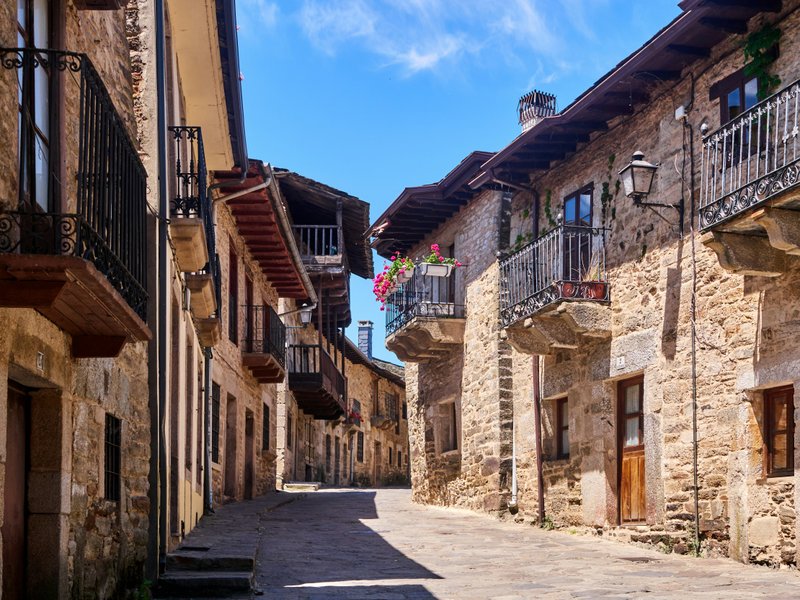
Explore Zamora
Hotels (1)
Restaurants (3)
Where to Stay

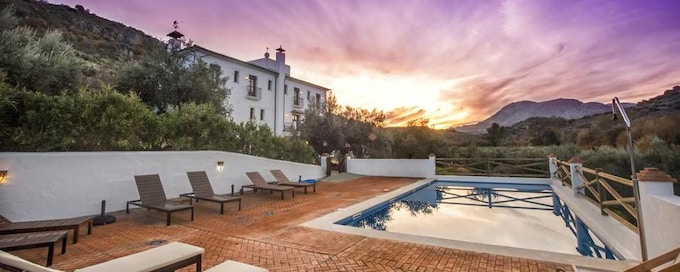
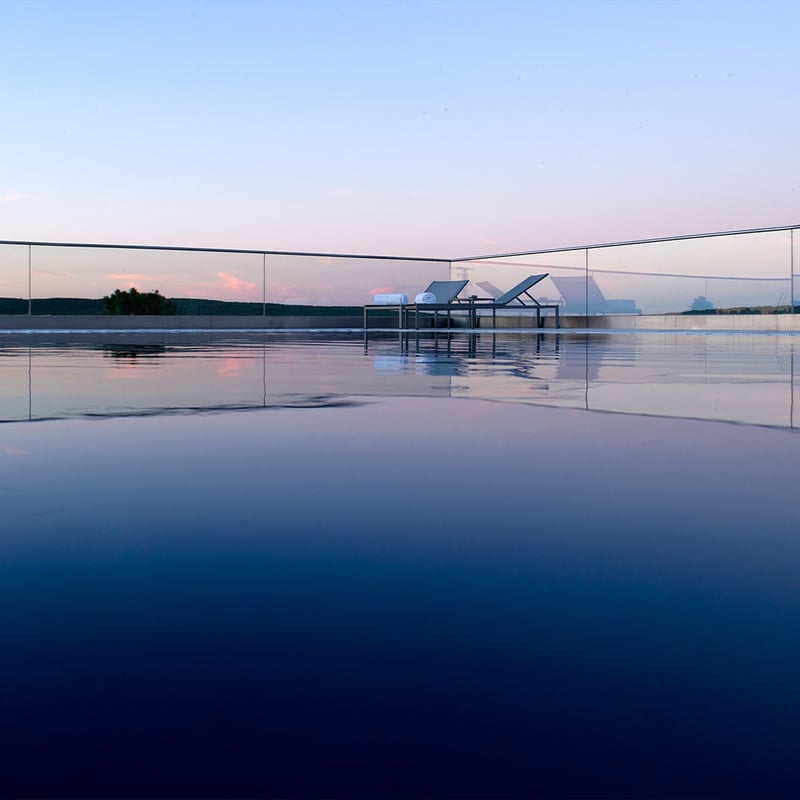
Upstream from Portugal's Douro Valley, this 35-room winery hotel occupies the Toro wine designation with striking contemporary architecture. The hydrotherapy spa features Turkish bath, sauna, and jacuzzi, while both indoor and outdoor pools extend the aquatic offerings. A kids' club and babysitting services make it equally suited to families as to oenophile couples seeking vineyard immersion with resort-level comfort.
Where to Eat

★ Michelin
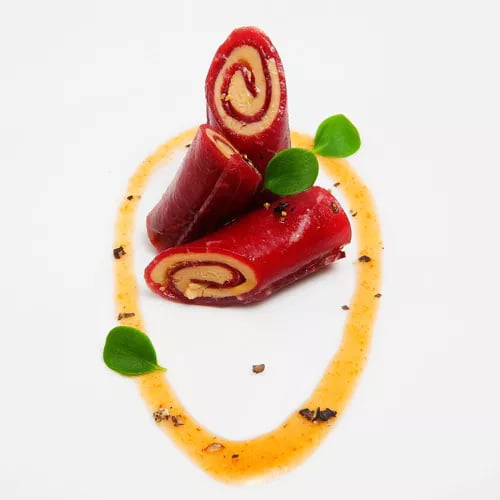
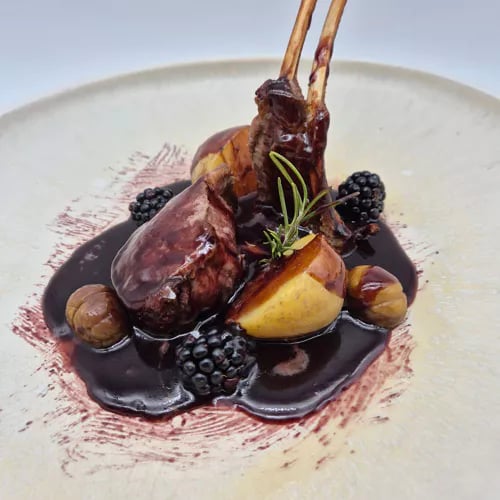
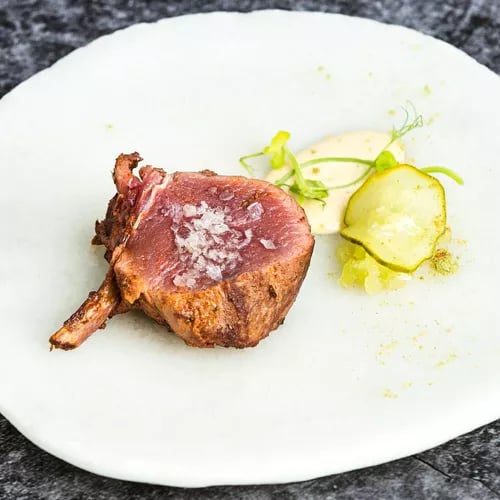
An 18th-century hermitage adjoins this aristocratic country house where the Pérez brothers—Pedro Mario and Óscar Manuel—practice a cuisine rooted in personal heritage and surrounding farmland. Their cured meat canutillos with duck liver and quince have become signature, while a 12-course seasonal tasting menu shifts with the harvest. The glazed lamb sweetbreads demonstrate their mastery of texture and restraint. One Michelin star.

Bib Gourmand
Named after an ancient Asturian hill fort, this husband-and-wife-run restaurant near Benavente has earned a Bib Gourmand for its generous traditional cooking. The kitchen excels with cod preparations—notably bacalao a lo Tío and an unusual version with chicken comb—while the famous Zamora-style octopus draws regional food pilgrims. A welcoming fireplace warms the contemporary dining room.

Michelin Selected
Game defines the kitchen at Cuzeo, where wild boar, venison, and partridge arrive from the Sierra de la Culebra to anchor a menu rooted in Zamoran terroir. The signature kimchi croquettes nod to broader influences, while slow-stewed wild boar rib with sweet potato captures the rustic-modern approach. Prized Fuentesaúco chickpeas round out dishes served amid the old quarter's Romanesque stone.
Frequently Asked Questions
Why is Zamora known for Romanesque architecture?
+
Zamora contains one of Europe's highest concentrations of Romanesque churches, with twenty-four examples surviving within the old town. Built primarily between the eleventh and thirteenth centuries during the Reconquista, these churches reflect the city's strategic importance along the Duero River frontier. The cathedral's Byzantine-influenced dome, unique in Spain, crowns this remarkable collection.
What local dishes should visitors try in Zamora?
+
The regional specialty is lechazo asado — milk-fed lamb roasted in wood-fired clay ovens until the exterior crisps while remaining tender inside. Bacalao a la tranca, salt cod with garlic and peppers, appears on most traditional menus. Pair these with wines from neighboring Toro, known for powerful Tempranillo-based reds that have gained international recognition.
What makes Zamora's Semana Santa distinctive?
+
Zamora's Holy Week processions are among Spain's oldest and most solemn, declared of International Tourist Interest. Unlike the festive atmosphere elsewhere, Zamora's celebrations maintain a contemplative gravity, with silent cofradías carrying baroque pasos through darkened streets. The Procesión de las Capas Pardas at dawn on Good Friday, with participants in brown cloaks, creates particularly striking imagery.
Nearby Destinations
Explore Spain



Zamora
Zamora rises quietly along the Duero River, a city of twenty-four Romanesque churches that earned it UNESCO recognition and the nickname "museum of Romanesque art." The medieval old town climbs from the riverbank toward the distinctive Byzantine-influenced cathedral dome, its fish-scale tiles catching the Castilian light. Stone bridges span the Duero where pilgrims once crossed en route to Santiago de Compostela, and the city's unhurried pace reflects its position far from Spain's tourist corridors.
The Plaza Mayor anchors daily life, surrounded by traditional tapas bars where locals gather for afternoon vermut. Calle Balborraz, a steep medieval thoroughfare, connects the upper town to the river quarters and retains its original cobblestones. Local cuisine centers on grilled lechazo (suckling lamb) and bacalao dishes, paired with robust reds from the nearby Toro wine region. The Semana Santa processions here rank among Spain's most atmospheric, with hooded cofradías carrying centuries-old pasos through torchlit streets.