


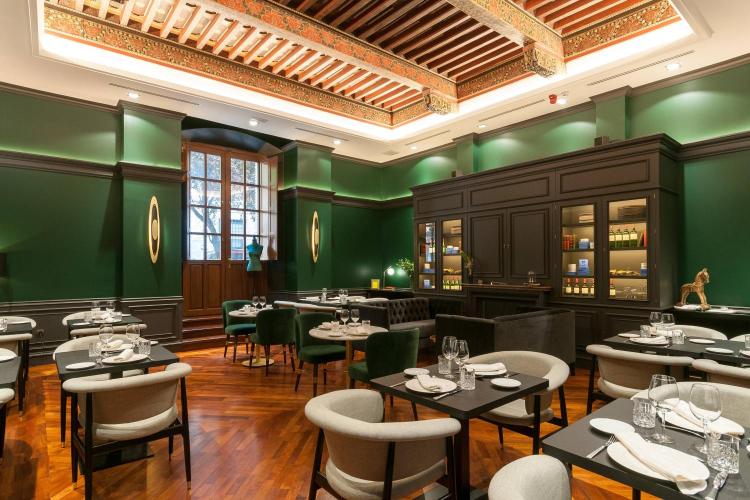
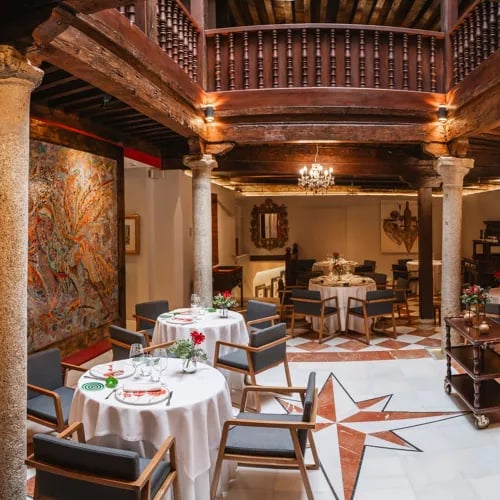
A former palace tucked onto a secluded plaza, Eugenia de Montijo underwent a 2018 renovation that introduced contemporary lines while preserving centuries-old architectural details. Stylish rooms occupy the historic shell, and a compact spa offers welcome respite after navigating Toledo's steep lanes. Families benefit from interconnecting rooms and complimentary beds for children under twelve—practical touches within a refined setting.
Toledo Travel Guide: Best Hotels, Restaurants & Experiences 
Explore Toledo
Hotels (1)
Restaurants (6)
Where to Stay

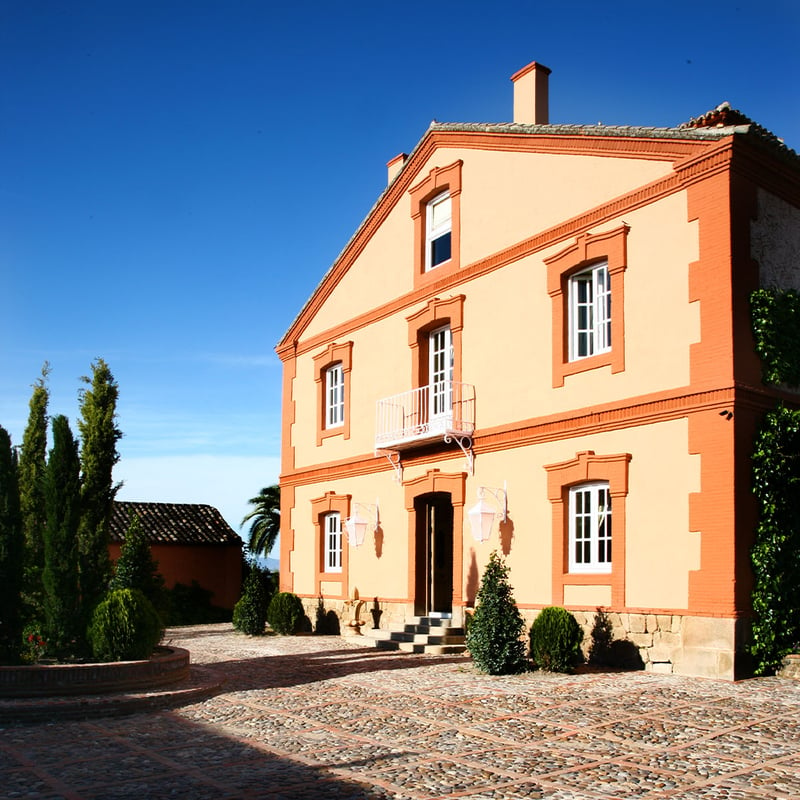
Ninety minutes from Madrid, this sprawling country estate unfolds across hundreds of hectares of orchards, palm groves, and meadows with mountain views. A tiered Moorish fountain anchors the central courtyard, while the spa offers hydrotherapy, hammam, and sauna. The kitchen sources vegetables, fruits, and eggs from on-site producers for updated Catalan dishes. Both indoor and outdoor pools complete the retreat.
Where to Eat

★★ Michelin
Chef Iván Cerdeño operates from the Cigarral del Ángel, a traditional Toledo country house overlooking the Tagus, where his two-Michelin-starred kitchen draws on La Mancha's larder and Montes de Toledo game. The tasting menus—Monte y Ribera, Toledo Olvidado, Memorias de un Cigarral—layer pickles, escabeches, and marinades into dishes that mine regional memory while absorbing distant influences, from coastal seafood to Mexican-inflected wild boar.

★ Michelin
Celebrity chef Pepe Rodríguez honors his grandmother Valentina's roadside mesón legacy at this one-Michelin-starred table near Toledo, filtering La Mancha's rustic culinary heritage through a contemporary lens. His lentils with Butifarra sausage, regional gazpacho, and reimagined pringá del cocido showcase the philosophy of ancestral cooking viewed with modern eyes. Three menu formats—Traditional, Seasonal, Tasting—allow guests to explore at their preferred depth.

★ Michelin
Chef Carlos Maldonado draws deeply from La Mancha's culinary heritage while embracing global influences, including a creative dialogue with Puebla, Mexico. His one-starred kitchen delivers daring, highly technical tasting menus—Básico and Hechos de Barro—that open with snacks like smoked partridge breast and trout with ajo verde, presented on exquisite Talavera ceramics. Custom tableware bearing his son's fingerprints adds intimate artistry to every course.

Michelin Selected
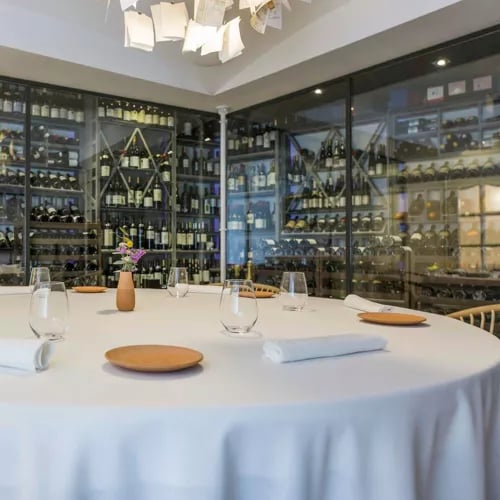
A twelfth-century dining room sets the stage for Adolfo, where the Muñoz family's contemporary cooking draws from their own country estate. The single seasonal tasting menu highlights organic green asparagus from nearby Camuñas paired with Melanosporum black truffle, alongside traditional suckling pig with fruit compote. An exceptional underground wine cellar rewards those who linger after the final course.

Michelin Selected
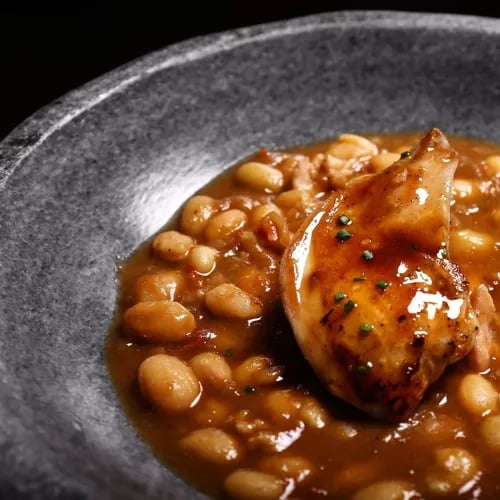
Away from Toledo's tourist crowds, this veteran bistro has found renewed vigor under owner-chef Ismael Suleiman, whose gastronomic sensibility elevates traditional Castilian cooking. Seasonal ingredients receive meticulous attention, particularly in signature stews: partridge braised Toledo-style with white beans, oxtail stuffed and glazed with red wine. The single dining room and pavement terrace maintain an unhurried, neighborly warmth suited to leisurely meals.

Michelin Selected
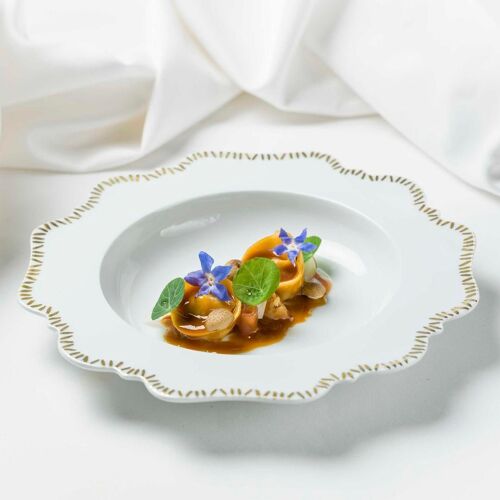
Down a narrow lane mere steps from Toledo Cathedral, this converted taberna pairs exposed brickwork with crisp white walls to striking effect. The modern menu encourages sharing—Iberian ham croquettes dusted with torrezno-style popcorn, spider crab ravioli glossed in saffron cream—alongside two tasting menus that anchor the experience. A refined yet relaxed address for travelers seeking contemporary Spanish cooking with local soul.

Michelin Selected
The Trujillo brothers orchestrate a compelling dining experience at this Talavera address, with Pedro crafting creative plates rooted in Castilian hunting traditions while David commands the room. The format encourages sharing — small bites giving way to game-inspired dishes layered with local identity. A creamy Manchego cheesecake, award-winning and richly indulgent, provides the defining finale.

Michelin Selected
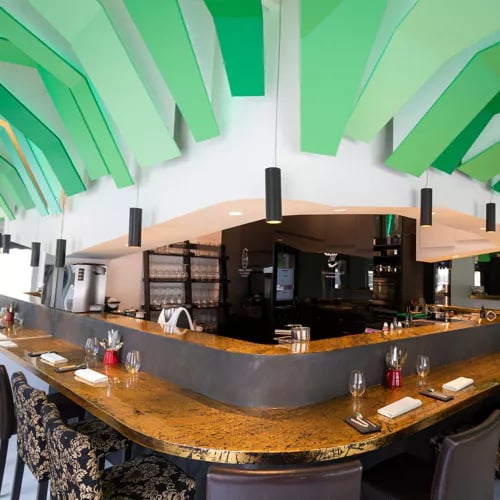
Sixteen seats encircle a counter where the chef works in full view, a format inspired by his travels through Japan and transplanted to Toledo's historic quarter. The single tasting menu moves through contemporary preparations—tuna paired with white garlic, creamy rice enriched with wild boar—before closing with a marzipan coolant brightened by cheese and passion fruit. Golden tones and a geometric ceiling complete the intimate theatre.
Frequently Asked Questions
Which neighborhoods in Toledo are best for walking and sightseeing?
+
The walled old town is entirely walkable, though hilly. The Judería (Jewish quarter) around Calle Samuel Leví offers the most atmospheric streets, while the route from Zocodover to the cathedral passes major monuments. For panoramic views, cross the Puente de San Martín to the western bank of the Tagus.
What traditional dishes should visitors try in Toledo?
+
Carcamusas — a pork and pea stew particular to the city — appears on most local menus. Perdiz estofada (stewed partridge) reflects the region's hunting heritage, while cordero asado (roast lamb) remains the Castilian standard. End with mazapán, an almond confection Toledo has produced since medieval times.
Is Toledo better suited as a day trip from Madrid or an overnight stay?
+
Day visitors from Madrid crowd the main streets until late afternoon. Staying overnight allows you to experience the old town after the buses depart — evening light on the stone facades, quieter restaurants, and the illuminated Alcázar against the night sky. The city transforms substantially after dark.
Nearby Destinations
Explore Spain



Toledo
The ancient capital of Visigothic Spain rises from a granite promontory encircled by the Tagus River, its skyline defined by the Alcázar fortress and the Gothic spire of the cathedral. Within the walled old town, cobbled lanes wind past former synagogues, mosques converted to churches, and convents whose cloistered gardens remain hidden behind iron gates. The Judería quarter preserves its medieval street pattern intact, while the area around Plaza de Zocodover — once a Moorish livestock market — serves as the city's commercial heart.
Accommodation tends toward restored historic properties: former palaces with interior courtyards, Renaissance mansions converted to small hotels, and the famous state-run parador occupying a hillside opposite the old town. Dining leans heavily on Castilian tradition — roast lamb, partridge in escabeche, marzipan from convents that have produced it since the fifteenth century. Bars and cafés cluster around Zocodover and along Calle de la Sillería, where locals gather for vermouth before the late Spanish lunch hour.